Have you seen a bobcat in Kansas? What to do if one is spotted in your area
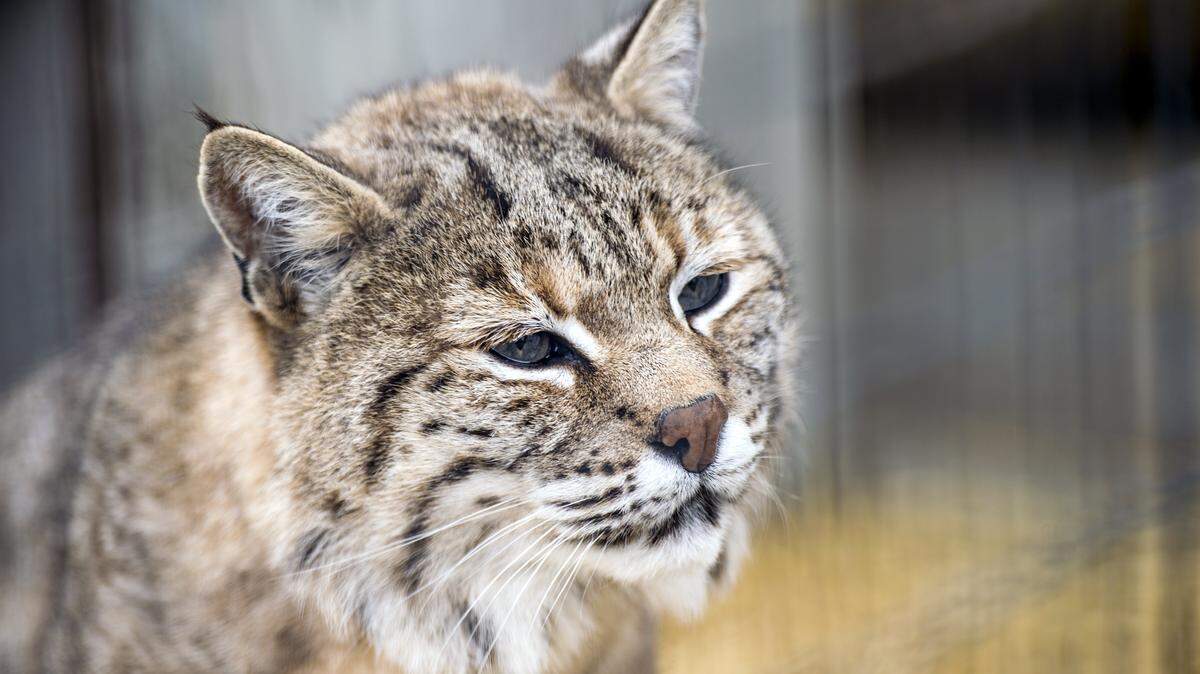
A bobcat was spotted in a Johnson County neighborhood Wednesday, July 30, a few weeks after a baby bobcat was rescued and returned to its mother in the same area.
The bobcat was found at 7 a.m. Wednesday at the southeast corner of 95th Street and Santa Fe Drive Trail in Lenexa, according to a report from local television news station WDAF. The report says Dan Robinson was getting ready to leave for work when he saw the big cat, and took a photo and video of the wild animal.
The animal was identified as a bobcat because of its tail, according to the Kansas Department of Wildlife and Parks. It wasn’t captured, so you should be aware of your surroundings if you live near the area.
Bobcats, mountain lions and other large cats were once common in North and South America, with quite a few living in Kansas at one point, KDWP said. But while it’s a rarity to see them out in the wild, they’re becoming more common in the state.
Here’s what wildlife experts say to do if you see a bobcat or mountain lion in the Kansas City area.
How common are bobcats in Kansas?
There’s enough of a bobcat population in Kansas that the Kansas Department of Wildlife and Parks has a designated hunting and trapping season for them, which happens next from Nov. 12 to Feb. 28, said Amy Keigher, natural resources agent for the Johnson County K-State Extension office in Olathe.
Their population is stable, but Keigher said it’s hard to believe that bobcats live in Kansas since people rarely see them. That’s because of their secretive nature. KDWP says bobcats tend to live near areas with shrubby edges of riparian woodlands and field borders, timber, rocky ledges or outcroppings, ravines and other brushy or broken habitat types.
Despite the bobcats trying to hide from humans, they have become more common in some urban and suburban areas in recent years, said Matt Peek, wildlife research biologist with KDWP. The wild animal tends to feed on rabbits, rats, mice, rabbits, birds and domestic cats.
Many in those areas are seeing them for the first time and mistakenly report them as mountain lions, Peek said.
What is the difference between a bobcat and a mountain lion?
Other than the tail, there are other ways to figure out if a big cat is a bobcat or a mountain lion.
Mountain lions can be as big as 8 feet in length from their nose to the tip of their tail and around 30 inches in height at the shoulder. Bobcats are usually around 24 inches at the shoulder and 3 feet in length, according to KDWP.
Mountain lions also don’t have tufts of fur on their faces or white markings on the back of their ears like bobcats do.
Keigher said mountain lions haven’t had a breeding population here since the early 1900s due to many states putting in place predator control programs to remove species that were causing problems for cattle and sheep farmers. But they are receiving more information about mountain lion sightings. KDWP has confirmed mountain lion sightings in 49 of Kansas’ 105 counties, but it doesn’t include Johnson or Wyandotte counties.
“Sightings of mountain lions are becoming more frequent, but it’s difficult to know whether we’re spotting different individuals or the same individual as it moves across the state,” she said.
What should I do if I see a bobcat?
Both Kansas and Missouri’s wildlife departments say the chances of seeing a bobcat are extremely low, and when one has been spotted, it’s usually only one passing through the area. That doesn’t mean you shouldn’t stay vigilant and aware of your surroundings, Keigher says.
KDWP says to follow these tips in case you come into contact with a bobcat:
- Make noise when in remote areas to avoid surprising wildlife. Bobcats usually avoid encounters with humans, like most animals, KDWP says.
- Carrying a walking stick, bear spray or other device that could be used for self-defense.
- Stand your ground and stay facing the animal. Do not turn your back or run away.
- Try to scare the animal off by making noise and standing tall.
- Keep children close and pets inside.
If you see a bobcat or other big cat roaming around the neighborhood, let your local wildlife department know. If you’re in Kansas, you can report the details online by filling out this form. Depending on the circumstances, a biologist with the wildlife department might follow up with you to collect more information to confirm the sighting.
Missouri residents can report a sighting to Missouri Department of Conservation’s Large Carnivore Response Team by emailing any details, photos, videos and other physical evidence to mountain.lion@mdc.mo.gov.
“Honestly, if you see a bobcat, consider yourself lucky because seeing a bobcat is rare,” Keigher said. “Enjoy the experience and then move on.”