
KC is short 64,000 units of affordable housing. Will new city plan make a dent?
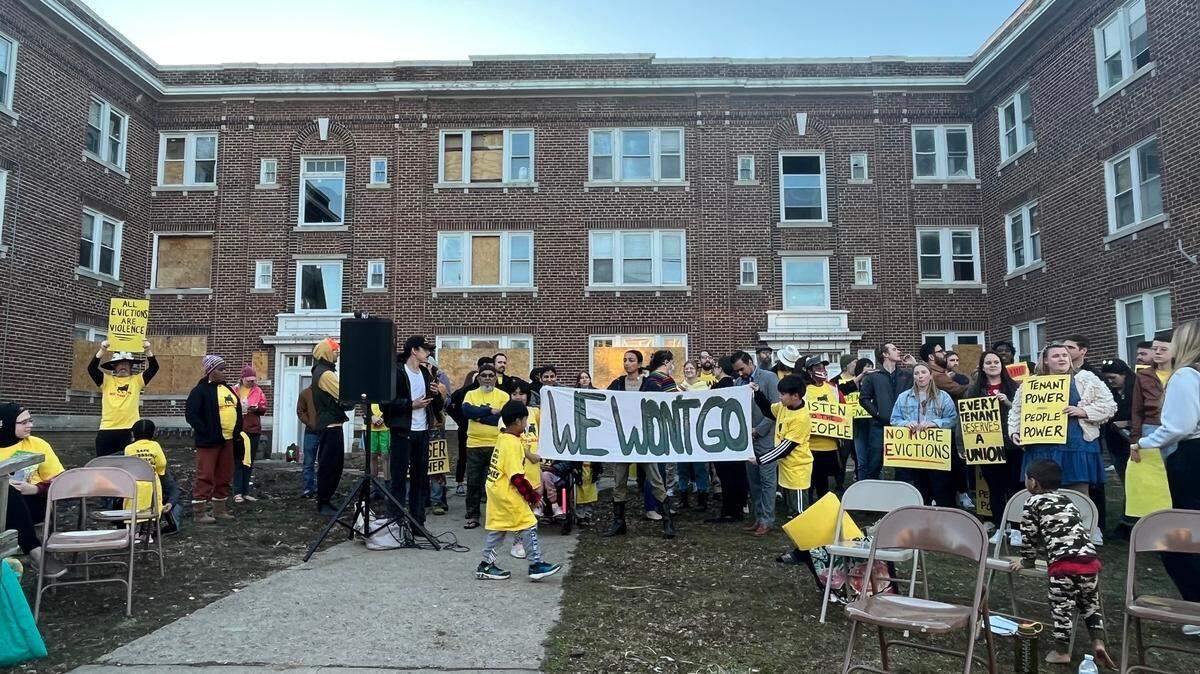
Kansas City is joining a parade of cities that have launched efforts to help residents from being priced out of their neighborhoods by gentrification.
Fast-growing cities on the coasts and booming ones in the nation’s interior — Denver, Salt Lake City and Austin, Texas, among them — are trying to make their communities more liveable by adopting policies aimed at increasing the supply of affordable housing.
Now Kansas City plans to up its game in that realm, building on existing efforts to make the city more affordable by adopting a formal “anti-displacement comprehensive plan.”
The City Council is expected to approve its adoption when it meets Thursday at the recommendation of the council’s finance committee.
“This anti-displacement ordinance represents our commitment to making sure progress doesn’t come at the cost of community,” 5th District Councilwoman and Mayor Pro Tem Parks-Shaw said at Tuesday’s committee meeting. “This is not just a policy. It’s a promise, a promise that we will grow responsibly, and that our vision for Kansas City includes everyone who calls it home today.”
Parks-Shaw introduced the ordinance creating the program and has four co-sponsors: Eric Bunch, Andrea Bough, Johnathan Duncan and Darrell Curls.
Residents, businesses priced out Kansas City’s anti-displacement program began as a proposal within the overall strategic city plan that the council adopted two years ago known as the KC Spirit Playbook. Staff within the city’s Housing Department have been working on it since last fall, when Parks-Shaw sponsored a resolution directing the city manager’s office to develop the plan.
The city hired a consultant to learn how vulnerable Kansas City residents are to being priced out of neighborhoods that have seen sharp increases in the cost of living due to real estate development within areas that have seen little investment in the past.
The shorthand term for that is gentrification, and many Kansas City neighborhoods are feeling squeezed by its effects.
“Gentrification often drives displacement,” the plan says. “Residents and businesses that are pushed out of their communities are unable to benefit from the economic growth and greater availability of services that come with gentrification.”
Those who suffer the most from gentrification’s effects are people with low to moderate income and are disproportionately non-white.
The report emphasizes how real estate trends affect Kansas Citians unequally.
“In Kansas City, gentrification manifests in uneven pockets, like property taxes skyrocketing along Troost Avenue, or rents doubling along new streetcar lines,” it reads.
East Side pressure
Due to real estate speculation and development, rising real estate prices are outpacing the growth in incomes within the city’s historically Black neighborhoods on the city’s East Side. Many of those residents are “at risk of displacement,” the plan says.
The report found that Kansas City has seen some of the fastest rent increases in the country, spiking 7% between 2023 and 2024. On top of that are rising property taxes that homeowners feel directly through their mortgage payments or when they write a check to the county collector’s office at the end of the year.
Contributing to the squeeze is the scarcity of affordable housing units. The region needs at least 64,000 more affordable units to meet the demand, the report says. Some 20,000 households are on the Housing Authority of Kansas City’s waitlist for taxpayer-subsidized housing units.
The plan sets out eight policy priorities aimed at making housing more affordable. Some build on and suggest improvements for the city’s existing efforts at subsidizing affordable housing construction and renovating existing housing units.
Other priorities include efforts to provide greater protections and legal assistance for renters than the ones already on the books.
New housing nonprofit proposed One big suggestion: The city should create a housing development corporation that would develop stable, affordable housing in neighborhoods that are gentrifying.
It sets out no details on how that might be funded. Currently, the city’s housing construction efforts depend largely on federal funding.
In recent years, the city also created a taxpayer-funded Housing Trust Fund, which provides financial assistance for affordable housing projects.
But this new housing development corporation would be a nonprofit corporation and have more access to capital by being able to partner with private banks and foundations.
“Partnering with private institutions can increase the ability for
the City to provide affordable housing funding,” the report says. “New York City partnered with major banks, financial institutions, and foundations to establish capital for affordable housing development. This model has been replicated in Chicago and Boston.”
The plan sets out many other examples in its 48 pages on how to combat the effects of gentrification.
It recommends that the council create a commission to implement the plan.
Members would largely be made up of city staffers with expertise in housing, community development and finance, said Samantha Bradfield, a policy analyst with the city’s Housing and Community Development Department, who took a lead role in producing the plan.
Leaders of the citywide tenants union KC Tenants plan to meet Thursday to discuss the plan and had no comment on it Wednesday.