Learn to make your own pickles and the secrets to fermentation at BoysGrow Farm
AI-generated summary reviewed by our newsroom.
- BoysGrow Farm hosts fermentation workshop to teach safe home pickling methods
- Attendees gain hands-on experience, recipes, and food safety knowledge
- Program supports youth by combining agriculture work with life skills training
BoysGrow Farm is sharing the knowledge of pickling with their hands-on workshop on Thursday from 4 p.m. to 6 p.m.
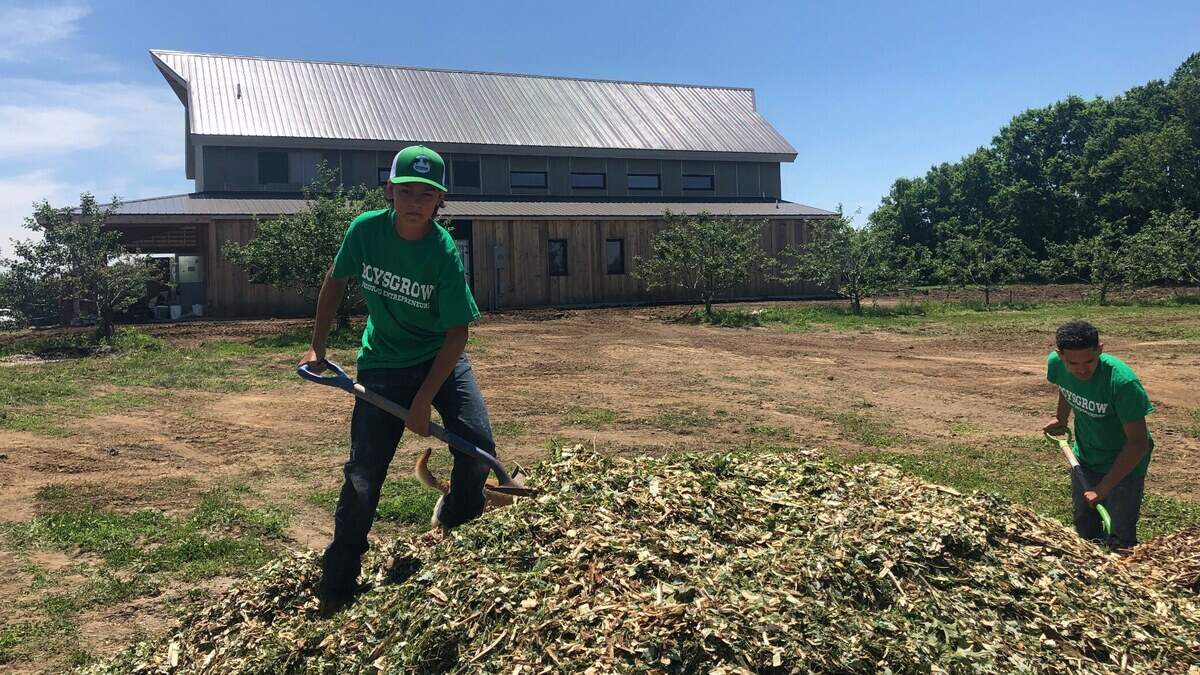
The 10-acre farm in South Kansas City is also home to an all-encompassing youth development program for boys. Each summer, 30 young men, all 14-16 years old, work on the farm for two years learning culinary arts, construction, farming, marketing, and public speaking skills.
The workshop will cover low-acid and lactic fermentation, and each participant leaves with a batch of pickles and recipes to replicate at home, along with professional advice on food safety and quality.
Low-acid fermentation is typically for classic dill pickles made with just heat and acid, while lactic fermentation uses biotic ingredients, like yogurt, which creates the conditions to extend shelf-life.
Nicolas Garcia, the farm’s manager, wants to demystify the process by explaining the science behind it. He wants to explain what to expect and the visual changes that can happen in fermented foods so attendees can be confident that what they’re eating is actually safe.
It’s a machine, and in understanding all the parts, you can fill the gaps without needing extra materials, he said.
“That’s what I like to break down, like everything that I teach, even with the boys here at Boys Grow, break it down to its base pieces, so you understand it,” he said.
Attendees will leave the workshop with an understanding of the process and the reasons behind the steps of pickling. This way, foodborne illnesses can be avoided.
He wants to avoid the extremes of people throwing caution to the wind or being petrified of contracting illness when pickling. He hopes everyone finds middle ground with education, so people are comfortable entering a new hobby, said Garcia.
“We can pickle that!”
Though people are most familiar with pickled cucumbers, beets or other vegetables, there’s no limit to what can be fermented, Garcia said. He and his wife have pickled strawberries, cantaloupe and much more.
By expanding the palette and realizing that everything fermented isn’t just a sour, salty pickle, there’s a world of diverse pickling recipes, he said. The live bacteria in fermented foods can also be good for the diet, evidence shows, he said.
“I am a soils guy, and I relate that gut health to soils,” said Garcia. “There are so many biotic factors in our soils that make them healthy. This is the same thing with our gut health.”
The biotic factors in the human body function together to keep everything in check, and there are many diseases that are linked to imbalances within biotic factors within our gut health, he said.
BoysGrow started doing workshops last year. Last year, they covered herbal teas, seed starting, and mushrooms. This year, they’re doing six workshops, including the pickling.
“We had such positive feedback that we doubled our workshops this year,” said Garcia. “I’m really hoping this is something that is continued with BoysGrow.”
With his background in farm education and advocacy, Garcia is bringing awareness to the farm itself and spreading his knowledge so that people can make their own home value-added goods, which are raw products with added products to increase their value, like pickles.
He previously worked at Treehouse Urban Farm in Waldo, where they pickled, jammed and preserved a lot of their goods to make their harvests stretch, he said.
At BoysGrow, he looks forward to seeing how the young adults continue to develop as men in their own right, and he hopes that the impressions that he makes there are lasting.
“I hope I have the privilege to see the continuity of their development,” Garcia said.