How this KC thrifter turned her fashion love into a sustainable-fashion business

From a young age, Ciara Barton discovered that fashion was more than a fascination, it was her calling.
With a childhood dream of becoming a supermodel and a deep love for flipping through fashion magazines, she knew her future would somehow involve style. But her path didn’t begin in high-end boutiques, it started in a thrift store when she was 14 years old.
What was supposed to be a quick visit during a family shopping trip turned into a life-changing moment, where secondhand treasures mirrored the stylish clothing adorned by the models featured in the pages of her favorite fashion editorials. That experience sparked not only a personal style revolution but also planted the seeds of what would grow to be a thriving career rooted in sustainability, creativity and self-expression.
As a self-proclaimed “first-generation thrifter,” Barton navigated a space unfamiliar to her family and transformed it into a lifestyle and business. At a time when most shoppers who combed through packed thrift store aisles were there out of necessity rather than a choice, Barton chose to embrace thrifting as a way to stand out and discovered vintage pieces that turned the hallways of her school into catwalks and sparked curiosity among her peers.
Barton, 38, initially started Thrift The Runway as an online shop during the pandemic and since then her business has grown into a physical location at 811 E. 31st St. There she sells vintage clothing, puts on workshops and events like her KC Thrift Tours, all dedicated to helping people find their own unique style, like she did.
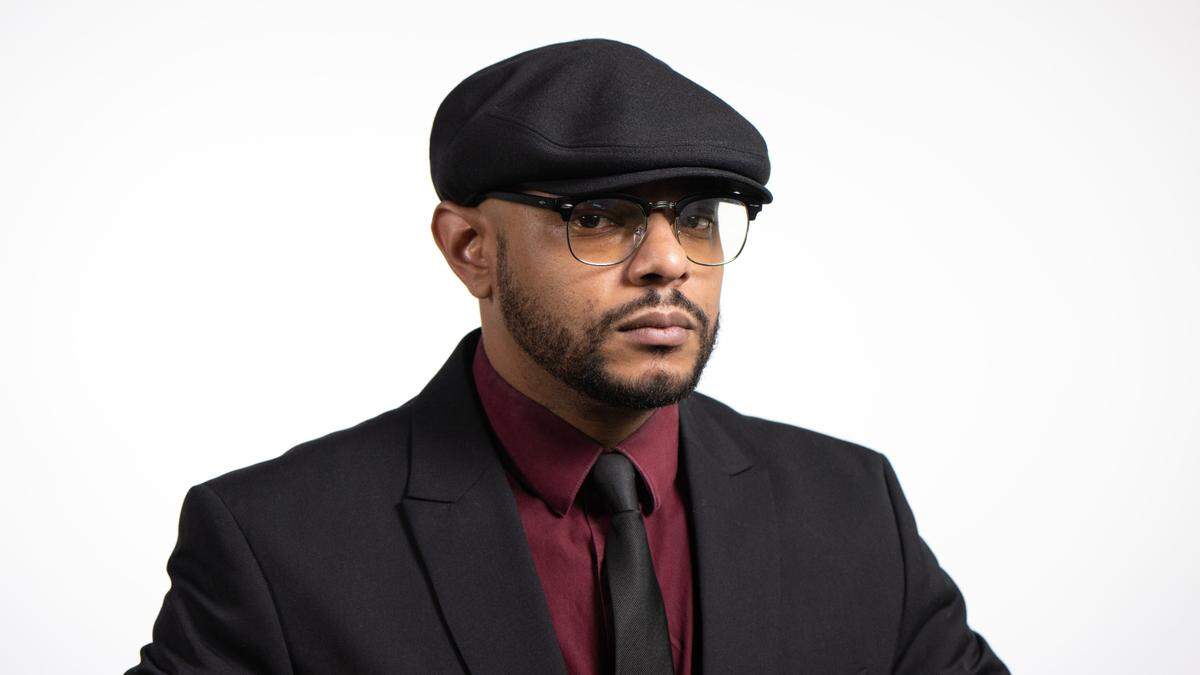
She recently sat down with The Kansas City Star’s culture and identity reporter J.M. Banks to talk about starting her business and how she turned her personal passion into an entrepreneurial venture, powered by her eye for unique finds and a commitment to sustainable fashion.
Banks: Can you begin by telling me about your upbringing and how you started your thrifting journey?
Barton: So ever since I was a little bitty girl, maybe even as early as two years old, I always envisioned myself being a supermodel. I always loved fashion and fashion magazines, so I knew I wanted to work in that industry in some capacity. It was at the early age of 14 years old that I began thrifting.
My mom was going Christmas shopping for us, and there was a thrift store next door and I asked to go there so I wouldn’t be able to see her shop for me. When I stepped into this thrift store, it was like stepping into the pages of those fashion magazines. When I would go to clothing stores, I would be so bored and never was able to see the things I saw in the fashion magazines.
I found denim, rhinestones, leathers and suedes. I found everything that I envisioned myself wearing in those magazines. So my mom came back and I had a handful of all kinds of knockabouts and she just looked at me like girl, are you serious? So she gave me $50.00. I was able to get everything I wanted and more.
When I put on my clothes and went back to school, everybody’s mouths just dropped. They were like, where did you get that from and I told them a thrift store and they didn’t believe me.
What inspired you to want to model?
I feel like God put that in me from the start, but my older sister also inspired me. She is eight years older than me and she was modeling so I got to see her do photo shoots in the snow with fur coats and I said that is what I want to do. When I was eight is when I started to get serious. But when I was younger, I had these very thick glasses and felt like nobody saw the potential in me to be a model. I was serious about it though and kept going through the fashion magazines and watching my sister.
Eventually I did start modeling and I did that for a while and still do sometimes. I transitioned into runway coaching and I have been able to go to New York to work on some smaller projects for runway productions.
Why don’t you think your family used thrift stores when you were growing up?
I call myself a first-generation thrifter. I call myself that because my mom didn’t thrift and my grandmother didn’t. I just didn’t know anyone in my family to thrift but me. Now thrifting has become a trend and people just want to find unique things. But back in the day, thrifting was more for those who were less fortunate. I didn’t come from a super wealthy family, but we were middle class. My mom grew up in a less fortunate upbringing and she had that stigma of thrifting being something for needy people. It was a mentality of the past.
What did your friends say when you started rocking your thrift store clothing?
As a freshman, everything I had was vintage, except for my shoes. When I would walk the hallways, it would be like I’m walking the runway. When we were younger, we went to the malls and if somebody saw you in a certain shirt or pair of jeans, they could go and get the same outfit. Everything I wore felt like one of a kind because not everyone could just go out and buy it.
How did your passion for modeling turn into a career in thrifting?
In 2014 I actually started my first business, which was what I called the Trash to Treasure Party, which is an eco-friendly fashion party held in an unorthodox auction style and those began to get booked and busy around the city with different organizations, private parties and colleges. Then in 2017, I launched my second business, which was the coaching and modeling services. That business offered runway coaching and modeling services and I became so busy with that, the first business kind of took a back burner.
Then COVID happened and nobody needed runway coaching and modeling services during the pandemic. The Internet was a big component in my life at that time and I had somehow got involved in a fashion and thrift community online. I began to connect with a lot of fashion lovers who were also into thrifting, like me. We all became sort of pen pals and one day were like let’s show our closets. I showcased my collection of vintage pieces and just stuff from my closet and people were like let me buy that. I began to start going live online and showcasing some pieces and started to get this whole online audience watching and buying clothing.
I would do them two or three times a week and I began to make like $1000 a week during the pandemic. Once the world opened up again, I started selling more online and started to incorporate my fashion sense, my personality, acting and modeling, all-in-one production.
I got a studio since my inventory was taking over my house and then from there I went to 36th and Main (streets). That was a 100-square-foot space and I was doing my Trash to Treasure Parties, runway coaching and modeling services at the location as I began to test the waters with retail. I was there until the building was taken back by the owners and I had to find another location. I am currently at 811 E. 31st Street.
I also started the KC Thrift Tours and this is our second season which runs from March to October. On the tour we have a bus that we take people around to four or five shops around the city.
Why do you think that thrifting has taken off in the past decade?
First of all, the ecosystem and just the over-consumption of fashion and waste production is causing people to be more aware of sustainable and ethical fashion. I think over the years with all the resellers online on sites like eBay and Poshmark, it has become a real full-time job for a lot of people. People are able to use social media to showcase their collections and personal style.
They started to see people wear secondhand clothing proudly and with confidence. Then influencers started making videos showing what they bought at the thrift store and really used it as a way to showcase their personal fashion. It has become a phenomenon and we have removed the stigma.
Do you ever feel discouraged by how this niche market has turned mainstream?
I’m very proud of how far thrifting has come and I’m happy that it has gone mainstream. But now that it has, that initial feeling that you are on a treasure hunt has changed. There is a lot of fast fashion dumped in and it has become very difficult to find those gems. Sometimes you will go in and the pricing will be just as much as in the retail store. So thrift stores have gotten out of hand and ridiculous in certain areas.
For more stories about culture and identity, sign up for our free On The Vine newsletter at http://KansasCity.com/newsletters.
This story was originally published July 8, 2025 at 5:00 AM.