Family of woman who died in Leavenworth jail files lawsuits. ‘This was preventable’
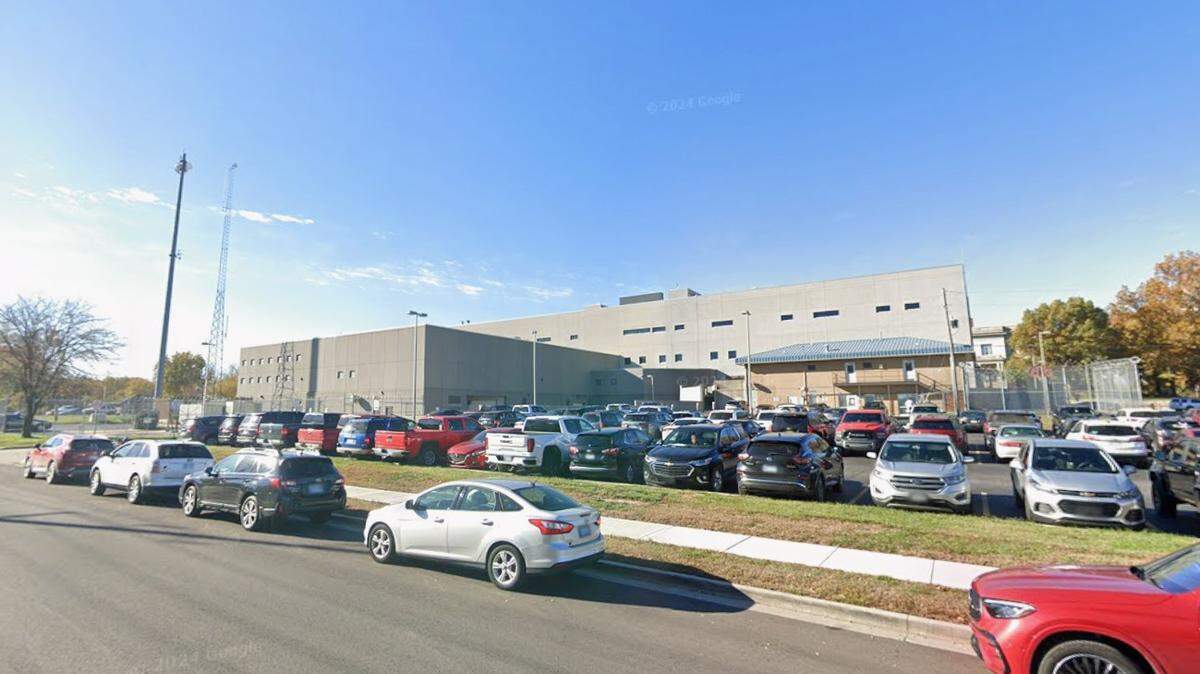
Attorneys representing the family of a woman who died in the Leavenworth County Jail in 2023 have filed two lawsuits against county officials, alleging jail staff denied her medical care as she went through opioid withdrawal.
Raquel Saldivar, 31, was jailed three days before her death on May 23, 2023, on an outstanding misdemeanor warrant for failing to appear in municipal court after she didn’t register her dog with the county, attorneys wrote. While in jail, she became too sick to eat, drink or urinate and couldn’t stop vomiting while suffering from the effects of opioid withdrawal, they said.
Despite her clear distress, staff at the jail failed to help her or arrange for her to be transported to a hospital, the attorneys said.
An autopsy determined Saldivar died from methamphetamine and fentanyl intoxication, according to the Kansas Bureau of Investigation.
The lawsuits, filed last month in U.S. District Court in Kansas City, Kansas, name Leavenworth County and Synergy Complete Healthcare, which was contracted to provide medical services in the jail, as defendants. They also name as defendants four staff members who were working in the jail the day Saldivar died: nurse Melissa Wardrop, deputy Alex Leintz, and corrections officers Douthitt and Schneider, whose first names are not given.
The lawsuits are being brought by Saldivar’s estate and Kansas City’s Meghan Hernandez, the adoptive parent of one of Saldivar’s children.
Representatives for Leavenworth County, the Leavenworth County Sheriff’s Office and Synergy didn’t respond to requests for comment.
“We think this was preventable,” said Caitlinrose Fisher, an attorney representing the Saldivar estate. “We think that jails and prisons absolutely have a responsibility to identify and treat opioid withdrawal since they are the front lines for where a lot of individuals that are struggling with addiction are going to end up.
“In Ms. Saldivar’s case, it’s just so tragic, because she ended up there because of a minor violation related to her dog and a dog license and dog tags,” she said. “She missed a court date and because of that, she ended up in their custody and care and then they didn’t take care of her and she died. We think it’s egregious.”
Attorneys for the second lawsuit didn’t provide a comment for this story ahead of publication.
What happened at the jail?
After Saldivar was jailed, she suffered from severe abdominal pain and spent time curled up on the floor of her cell, moaning in agony, the lawsuits said.
Around 10 a.m. on May 22, Saldivar approached Wardrop, the nurse, and told her she was going through opioid withdrawal and had used heroin a few days earlier, according to the lawsuit. The nurse asked her to provide a urine sample so she could do a drug screening, but Saldivar was too dehydrated to do so, the attorneys wrote.
She wasn’t kept for observation because all medical units at the jail were full. She was sent back to her cell with Tylenol and told to come back when she was able to drink water and urinate.
Around 11 p.m. that night, Douthitt and Schneider took Saldivar to get another medical evaluation after her vomiting drew correctional officers’ attention. Leintz joined them as they were taking Saldivar to the medical unit.
Saldivar struggled to walk and repeatedly said, “I can’t breathe.” Jail staff had to carry her into the medical unit, where she slumped into a chair and appeared to lose consciousness, attorneys wrote. A body camera image included in court documents shows Saldivar slumped back, her skin pale.
The officers tried to take her blood pressure but didn’t get a successful reading, the lawsuits said. Around 11:30 p.m., Schneider called Wardrop, who told them to return Saldivar to her cell and said she would check on the woman when she returned the next morning, attorneys wrote.
Still gasping for air, Saldivar was returned to her cell in a wheelchair, her head tipped back over the seat. Officers dropped her onto a mattress and tossed her shoes in the cell, attorneys wrote.
Douthitt attempted to reach the nurse again by phone, but she didn’t answer, and there were no other attempts to reach medical personnel, attorneys wrote.
Saldivar was “breathing and awake” around 1:30 a.m. on May 23, according to a report, but was found unresponsive at 2:10 a.m. Officers administered Narcan and attempted CPR, but she was declared dead a few minutes later.
Who the lawsuit says is at fault
The lawsuits fault jail staff for failing to involve a higher-level care provider, call for an ambulance or take adequate steps to care for Saldivar, despite her “ongoing and obvious loss of consciousness.” They also fault Synergy and the county for her death, saying they failed to provide timely access to needed care and allowed unqualified or inadequately trained staff to monitor detainees.
Under Synergy’s contract with the county, the medical group was responsible for medical protocols used by staff at the jail and was obligated to be available by phone 24 hours per day, 365 days per year, the lawsuits said.
“On an individual level, it’s a tragedy,” said Fisher, the attorney representing the Saldivar estate. “But on a systemic level, our prisons just need to be doing better, our jails need to be doing better, because they are the front lines.”