Born of necessity: KC nonprofit is safe space for trans women community & resources
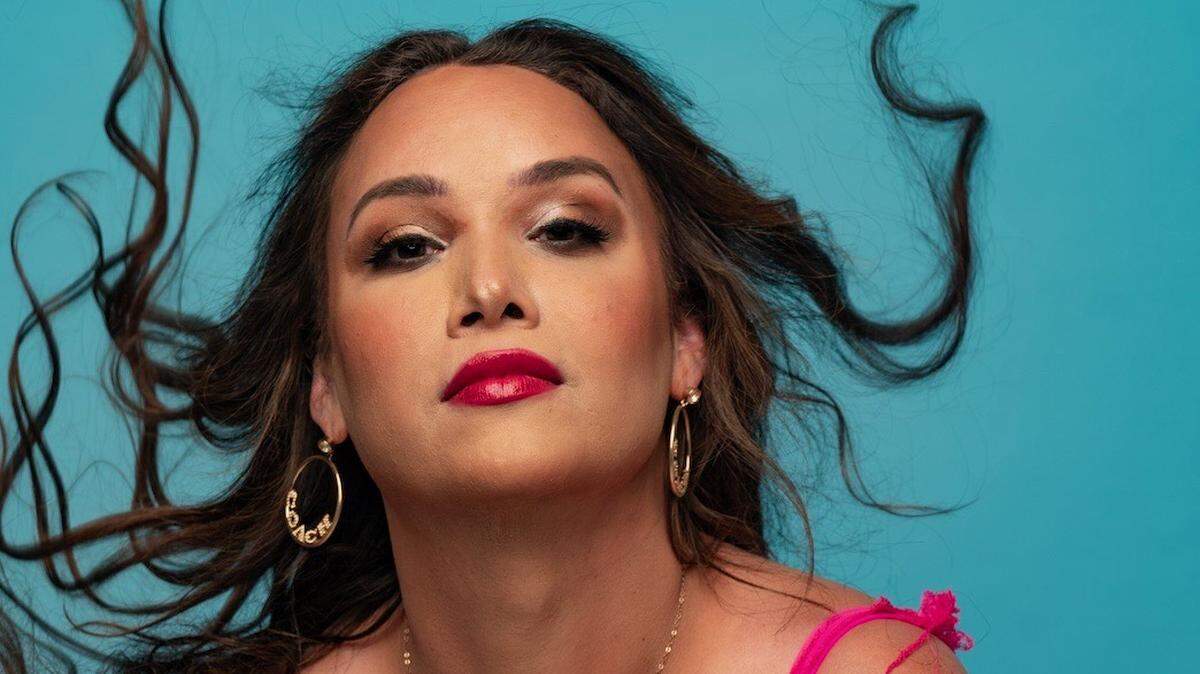
For more than two decades, Merrique Jenson has been at the forefront of LGBTQ+ activism in the Midwest, working to uplift and protect some of the most marginalized members of the community.
Originally from St. Louis, her activism began out of necessity, navigating her identity as a teen in the early 2000s, facing rejection from her Catholic high school for being effeminate, and experiencing homelessness after being forced out of her home at 17.
It was the support of local activists that helped her survive, eventually leading her to DePaul University in Chicago and later back to Missouri to work on building LGBTQ+ youth programs.
Her advocacy carved out space for truth-telling and justice before trans rights became a national conversation. In 2015, out of both necessity and vision, Jenson founded Transformations, a nonprofit serving Missouri, Kansas and Northwest Arkansas.
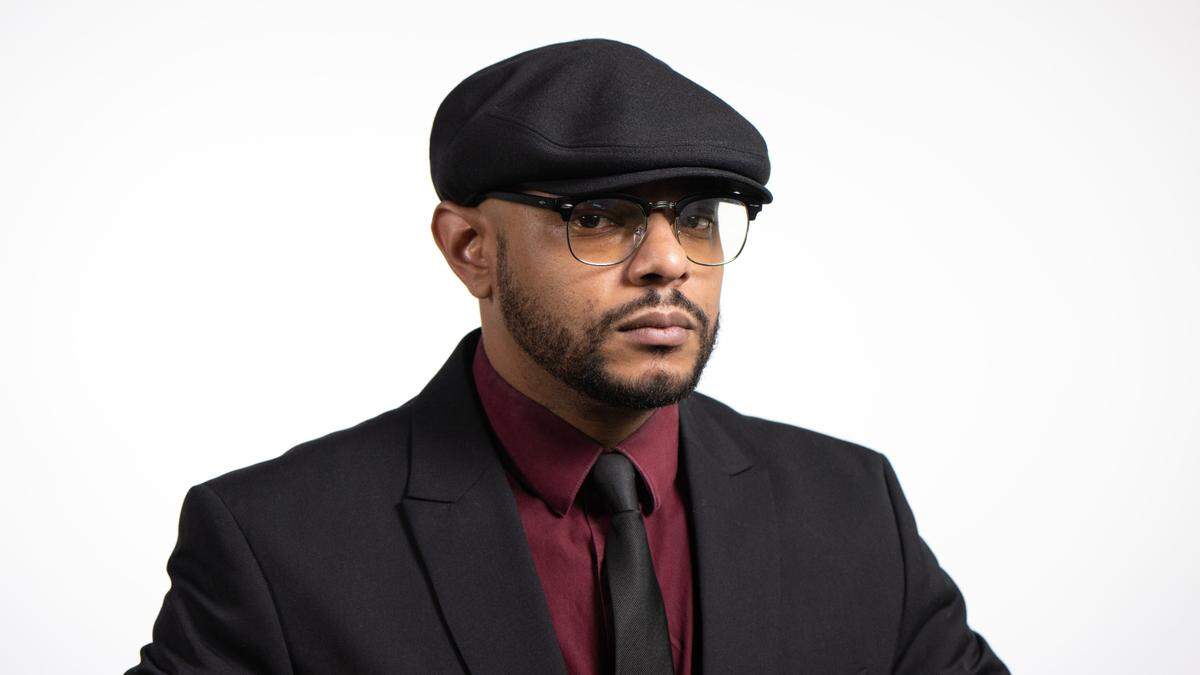
Jenson sat down with culture and identity reporter J.M. Banks to talk about her commitment to trans rights, holding institutions accountable and creating safe, affirming spaces for trans people.
Banks: Can you tell me about your upbringing and how those experiences impacted the work you do now?
Jenson: I’m a pretty seasoned activist, I’ve been doing this work for over 20 years. I’m originally from St. Louis, and it all started when I was quite young. I had come out, and like many kids in the early 2000s, I had a pretty tumultuous experience.
Now I think it’s kind of funny, but I was attending a Catholic all-boys high school, and they kicked me out. Not for being trans, but for being very effeminate and gay. At the same time, things at home were unstable, and I ended up getting kicked out of the house as well. I experienced homelessness. I was in youth shelters and couch surfing.
It was really the activists and leaders in St. Louis who helped keep me afloat. Eventually, I got into college in Chicago and attended DePaul University. It took me a long time to finish my undergrad. It was really difficult being a young person without blood family, supporting myself. I also didn’t realize how expensive DePaul was. It’s actually the largest Catholic university in the country (in terms of enrollment).
I lived in Chicago for about 10 years and then moved back to Missouri, where I was hired to help build the first LGBTQ+ youth program in the state, based in St. Louis, called Safe Connections. I worked on that for about two years.
What brought you to Kansas City?
I was recruited to come across the state to Kansas City to help build a program for the Kansas City Anti-Violence Project. At the time, I thought I’d be building out a four-state youth program covering Missouri, Kansas, Nebraska, and Iowa.
I arrived in Kansas City in 2014. That summer, Mike Brown was murdered over in St. Louis. Then, in October, a young gay man named Dionte Green was murdered here in Kansas City. I ended up being the lead homicide advocate on that case, working with many Black LGBTQ leaders.
I was managing the youth department and working directly with LGBTQ youth in crisis, especially in very conservative, rural parts of the region. At the same time, I was working on a series of homicide cases, many involving trans women of color. Over the next two years, we had several murders in the region and I led the work on those cases, advocating for justice and demanding they be taken seriously.
At the time, KCPD and the broader community didn’t care. They didn’t care that trans women were being murdered. There was also deep racism within the LGBTQ community, so I found myself constantly being a voice, shining a light on those issues, even when it was unpopular to do so.
I was speaking truth to power before trans rights were even part of mainstream conversations.
What was it like coming to terms with being a trans woman, and how was that received by those around you?
I didn’t publicly transition until my mid-30s, so I already had quite a career. I was known professionally as a gay man, that’s how people saw me. That was actually really isolating, living in a body that didn’t feel like mine and presenting in a way that didn’t align with who I truly was.
It was actually through the grace of some of my trans friends, who gently called me in. One day, someone simply asked, “Are you happy being a boy?” That loving, honest question changed everything for me.
Why did you decide to create the organization Transformations?
I had been working for an organization for two years where I didn’t feel supported. It lacked institutional stability and had a toxic culture. Beyond being an activist, I’m also a documentary filmmaker, a DJ, and an artist. So I tapped back into that creative energy and found success. I started my own consulting business, trained agencies, and worked as a contracted consultant for various institutions.
Around that same time. 2015 or 2016, I also started Transformations. It began as a small, makeshift trans youth group. I was personally funding it because I saw the need. I truly believe trans youth deserve to learn from trans adults and that model didn’t exist before then.
I found board members, filed for our 501(c)(3) status, and that’s how Transformations officially began.
Can you tell me more about the work you do at your nonprofit?
I started Transformations because I saw the urgent need to address violence against trans women of color and support trans youth. Those are still core parts of our mission. We now serve three states: Missouri, Kansas, and Northwest Arkansas.
We’re very unique, we operate in deeply conservative states where anti-trans policies and violence are on the rise. It’s a very difficult and scary time to be doing this work.
What were some of the main challenges you faced getting started?
We’re in 2025 and we are still the only trans nonprofit in Kansas City. Isn’t that wild?
To clarify, there are many amazing grassroots trans organizations here, but they’re not nonprofits. Being a 501(c)(3) comes with specific responsibilities like board meetings, public transparency, fiduciary oversight, and the ability to receive grants.
Because of that, we are one of the most unique nonprofits in Kansas City. Most organizations don’t have any trans people on staff, let alone on their board. Our team includes both trans and cisgender people, and we operate in solidarity and partnership with one another.
Can you talk more about internal issues within the LGBTQIA+ community regarding trans rights?
Just because someone is gay, lesbian, or queer doesn’t mean they’re committed to addressing what’s happening to trans people. A good example is Kansas City PrideFest, probably the most well-funded event in our community and they’ve remained silent about the attacks on trans rights.
Since 2023, Missouri’s attorney general and governor have actively tried to eliminate trans healthcare and criminalize doctors who provide gender-affirming care. And yet, PrideFest goes on like nothing’s happening like trans people aren’t under siege.
It reminds me of something my sisters of color often say: “Not all skin folk are kin folk.” That sentiment really applies within the LGBTQ community as well.
What aspect of your work brings you the most fulfillment?
Just being with the girls. Being with my sisters. I’ve been on my own since I was a teenager, but now I have these beautiful, deep relationships with so many trans women, especially trans women of color.
I’m also really proud that Transformations does meaningful cross-racial solidarity work. That’s rare, and it matters.
What are your organization’s goals for the future?
Right now, we’re incubating and being intentional, especially given the political climate. Our top priority is gaining control over private, safe spaces for trans people. Spaces we own and manage ourselves, where we can gather, strategize, heal, and laugh.
We’re being cautious and steady because there’s so much uncertainty. But we’re in this for the long haul.
I want every reader to understand that trans rights are under attack. In Missouri, Kansas and Arkansas, this isn’t getting better anytime soon. So we need all our allies on deck, we need people who are committed to showing up for trans communities.
For more stories about culture and identity, sign up for our free On The Vine newsletter at http://KansasCity.com/newsletters.