This KC educator left classrooms to spread health, wellness, culture with yoga
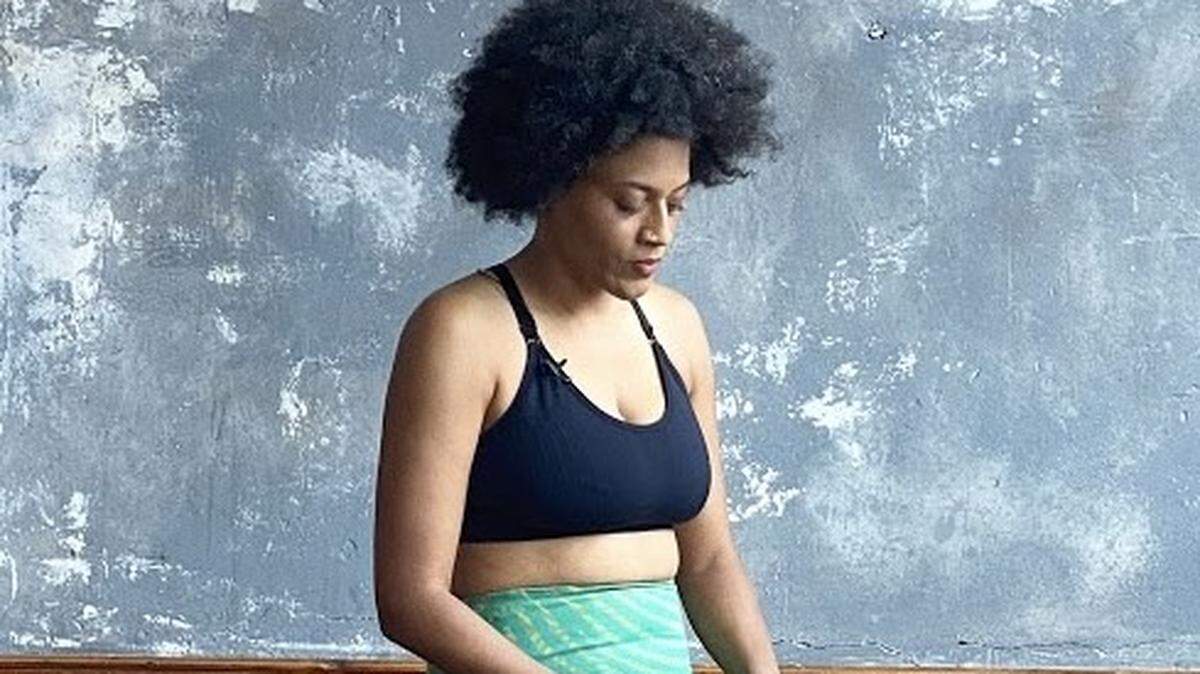
Auburn Ellis grew up in Kansas City with a deep appreciation for the city’s rich cultural heritage. Some of her most formative childhood experiences took place at iconic locations around the city, such as The Black Archives and The American Jazz Museum, which sparked her passion for culture and community.
As she grew older, Ellis developed a strong love for both the arts and education, with the goal of one day inspiring others just as she had been inspired.
After spending time in Chicago working as a public school teacher, Ellis, now 41, returned to Kansas City to become an education consultant. It was during this time that she discovered a new passion, Kemetic yoga, an African-based practice where many of the poses take the body into different shapes, like pyramids for example. Ellis began incorporating that yoga form into her work as a tool to promote health and wellness throughout the metro area.
In 2016, Kemetic yoga became a core offering at Studio 5400, a community art space Ellis founded that is dedicated to healthy living and cultural education. This past weekend, she hosted the fourth annual Soul Yoga Festival, a day-long event featuring 12 yoga and dance classes that drew more than 200 participants from across the city.
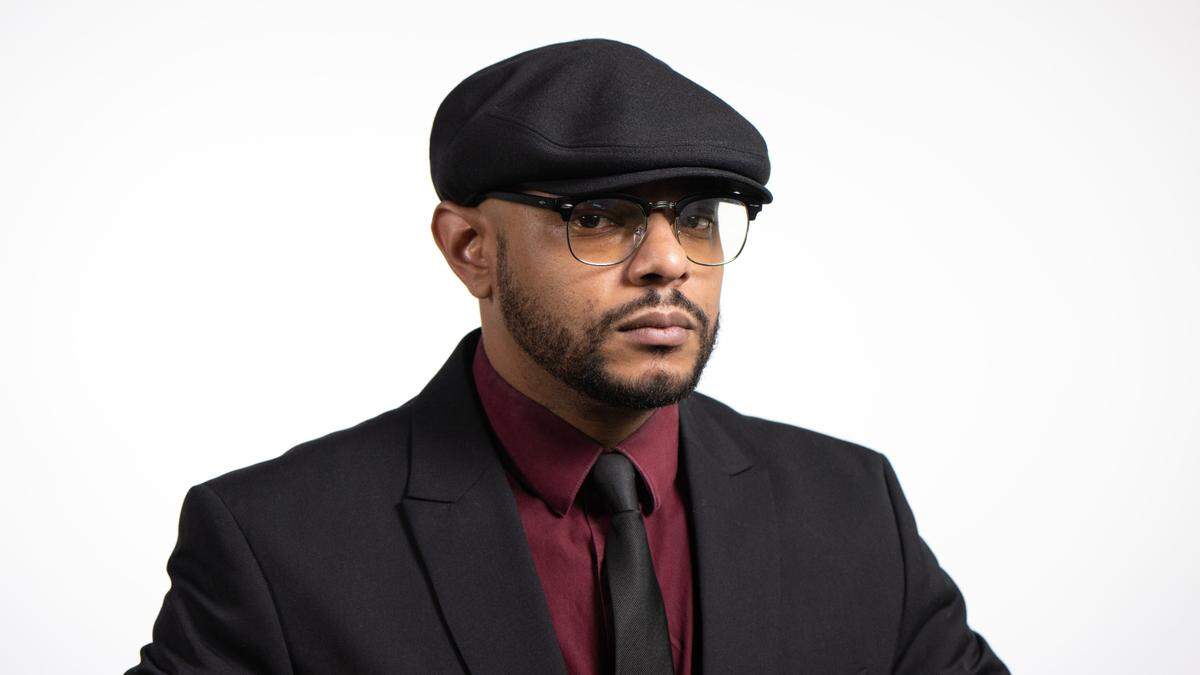
Ellis recently sat down with Kansas City Star culture and identity reporter J.M. Banks to talk about growing up with a love of culture, using art as a tool for learning and how she uses yoga as her new platform for education.
Can you tell me about your early life and upbringing?
I would say being around the Vine Street district very early on in life was very influential to me. My father had his own business in the Lincoln Building in the Vine Street area and I went to Lincoln College Prep for high school in the 90s. I remember the landscape of space and how it’s changed significantly. I think that my first artistic experiences that influenced me the most were going to places like The Black Archives and I just got to see people of color really able to tell their stories. I can remember when the Negro Leagues Museum first started and all of that was just so amazing to me.
I had a love of art and education very early on. My first job was at the Nelson Atkins Museum of Art and I was a teaching assistant while I was in high school. So that’s where I got to really experience doing ceramics and making artwork. I found that art was a way to help people understand life by helping people build an identity and curiosity.
I received two undergraduate degrees in four years at the University of Missouri, Columbia and received a bachelor’s of studio art focusing on ceramics and a bachelor’s in art education. I moved to Chicago for grad school and went to the Art Institute of Chicago where I got my master’s in museum education and then got my doctorate at National Lewis University.
How did the idea for Studio 5400 get started?
So I got my doctorate in adult and continuing education, so a lot of what I was doing is teaching teachers how to teach. I lived in Chicago for 10 years and worked as a Chicago Public Schools teacher and I had an art studio and did a bunch of art events up there. When I was working with public schools in Chicago it was about understanding how when you work with students in underserved areas there is a certain way you have to teach. I really thought of art as a way to use education to influence students and help them understand their cultural identities. I started consulting for Chicago Public Schools and then I came back here and did some consulting for Kansas City Public Schools.
When I came back here I also started to throw events around wellness, art and yoga which led me to start holding Kemetic yoga classes, which is an African based yoga movement that I didn’t see was present here.
What inspired you to pursue yoga and when did you decide to tie that into your educational work?
When I was a public school teacher in Chicago I was always very tired. I wasn’t really doing anything for myself physically or spiritually and my mind felt like it was always racing. So one day I said I got to try something out. I wasn’t really active and hadn’t really moved my body in about 10 years so I got a Groupon to try out yoga. I went to a hot yoga class and all I could think about was how hot it was and just sweated it out for about 75 minutes and I was kind of hooked after that.
When I made my transition back to Kansas City in 2017, I had been in Chicago about 10 years and I was done with public school teaching for sure. I’ve been doing yoga as a student for a few years and just decided that I wanted to explore being a yoga teacher which was a new challenge for me. I had received my Kemetic yoga certification right before I left Chicago and I knew that there was no Kemetic yoga here in Kansas City so I wanted to create that space. I wanted to bring not just yoga but African-based yoga here to help people connect with their cultural identity.
Can you tell me more about Kemetic yoga and its cultural significance?
When we talk about Kemet, we are talking about the original peoples synonymous with Egypt. So, when you look at these ancient hieroglyphs on pyramids you notice that a lot of the figures resemble yoga poses. The two main focuses of the practice are geometric progression which is your body mimicking certain shapes like a pyramid. A lot of the postures in Kemetic yoga are based on postures from temples or tombs. The other is the rule of breathing which is very important because breathe work helps you focus and helps stimulate the body.
Can you tell me about your Soul Yoga Festival?
This past weekend was our fourth Soul Yoga Festival and it all started before the pandemic. It was really just about bringing people together for free classes. I didn’t see a lot of availability for yoga that was free so I thought why not offer free courses and resources on health and wellness. I think that is important for us as underrepresented groups to have more events that focus on health and taking care of yourself. That first year we had about eight classes we offered and it was a great way to bring together a lot of vendors for the KC vegan and plant-based community.
Since then we have grown and expanded a bit. This year we had 12 classes with over 200 people in attendance. So since then we have expanded into Afro Caribbean dance classes, Tai Chi and several other yoga types. We also have a kids yoga class we do so our focus is to bring in people of all ages and introduce them to yoga. I want to use yoga as a way to help people understand the importance of movement in their lives and how to empower yourself by moving your body differently.
Do you think you have seen an increase in minority health-based businesses since you have started?
I think that there has been and we are seeing a lot of new businesses because we are starting to see a shift. If you look east of Troost (Avenue) you are beginning to see a lot more urban farming spaces and increasing markets and access to fresh vegetables. People are just starting to understand that we need to build these resources for ourselves because we can only depend on ourselves to give us the right resources. People want to feel better and when they do feel better on the inside that will show on the outside.
I love seeing my people get better and understand how empowered they are to live long healthy lives. People are working on better ways to cope with stress, and education is all about equipping yourself with the right tools. I think the highest form of education is understanding yourself.
Can you tell me about the consulting side of the work you do?
Everything we do at Studio 5400 has a cultural foundation. We do consultation work with companies and organizations. We have a meeting where we talk about what the needs are for their organization and help me understand how to curate events and seminars based on those needs. At the moment my biggest client is Core Power Yoga and I have designed about 10 hours of diversity and inclusion lectures for them. I give those lectures globally so it is about 600 plus students each year in a cohort. I will do a three-hour lecture and take them through how to teach more effectively in inclusive spaces.
What kind of information do you usually teach in your inclusion seminars?
Most of the students in that cohort are yoga teachers and have been for a few years because this is an advanced 300-hour training. I really like to start with taking people through an activity where we think about life like a game of monopoly. I asked them if they were playing a Monopoly game and imagine that they started the game with three other people that got to go around the board about 12 times before they got to start. I ask them to think about those set backs that you have that the other players don’t because of their head start.
This is a good way of showing how the other players are able to accumulate wealth and property because they were allowed to build it up before it was available to you. I like to start from that framework and build from there. How do you catch up? What does your life look like because of those results?
What is the most difficult part about the work you do?
A lot of it is finding support and funding. Also helping people, like in corporate spaces, understand the importance of community empowerment, especially in those more vulnerable spaces that we’re talking about, like east of Troost. I would like to help bigger partners in Kansas City to invest in creating more culturally diverse spaces.
Can you tell me about your goals for the future?
I have actually been talking with the Jazz Museum about starting something up there by the end of summer. I would love to continue to grow in our festival. We had about three classes going every hour and I want to see us grow from 12 classes to 20. I want to see us get to 500 people or more and I want to be able to increase the vendors and health services we offer.
For more stories about culture and identity, sign up for our free On The Vine newsletter at http://KansasCity.com/newsletters.