KC will pay for small businesses to fill empty storefronts ahead of World Cup
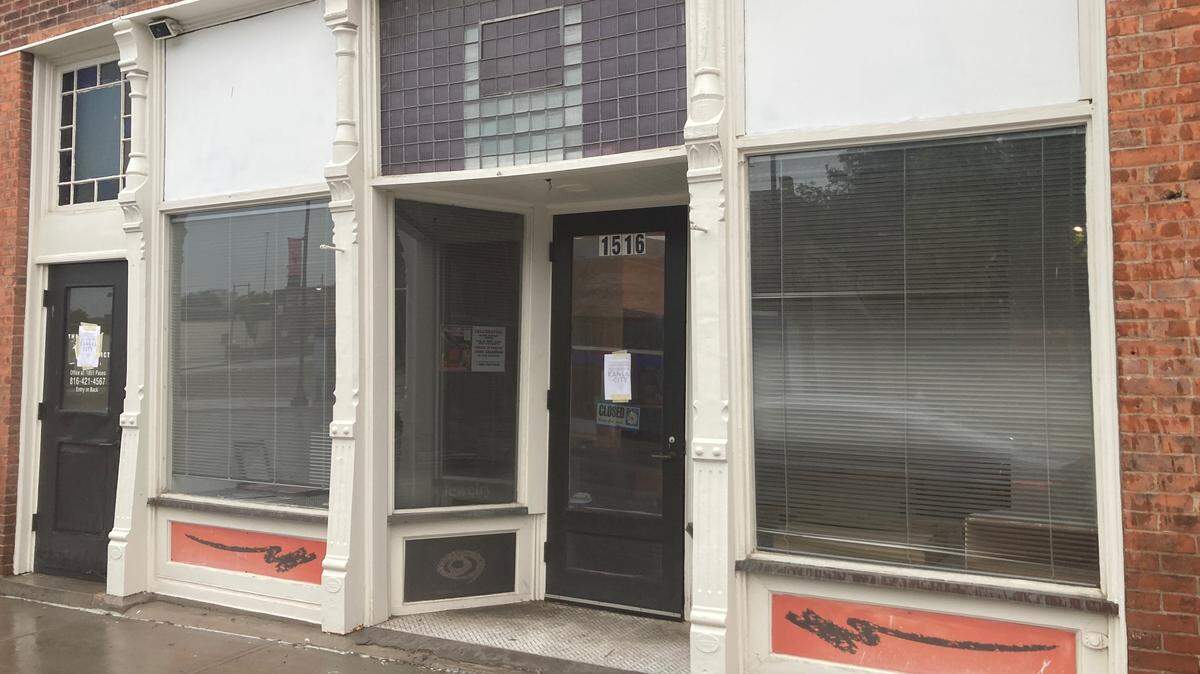
If you’re an artist or small business owner who’s always wanted to operate a brick and mortar storefront — but just couldn’t afford it — the city of Kansas City, Missouri, has a World Cup opportunity for you:
The city is willing to foot some, and even up to $25,000 a year, of one’s rent to fill up empty, underutilized stores.
On Thursday, knowing that the arrival of the World Cup and its hundreds of thousands of fans in KC is just one year off, the Kansas City City Council’s voted 12-0, with one abstention, to pass a resolution to put $1.4 million toward a Small Business Storefront Vacancy Revitalization program.
Paying leases to fill empty storefronts
The goals of the program, which is proposed to be open to applicants from across the United States, are two-fold:
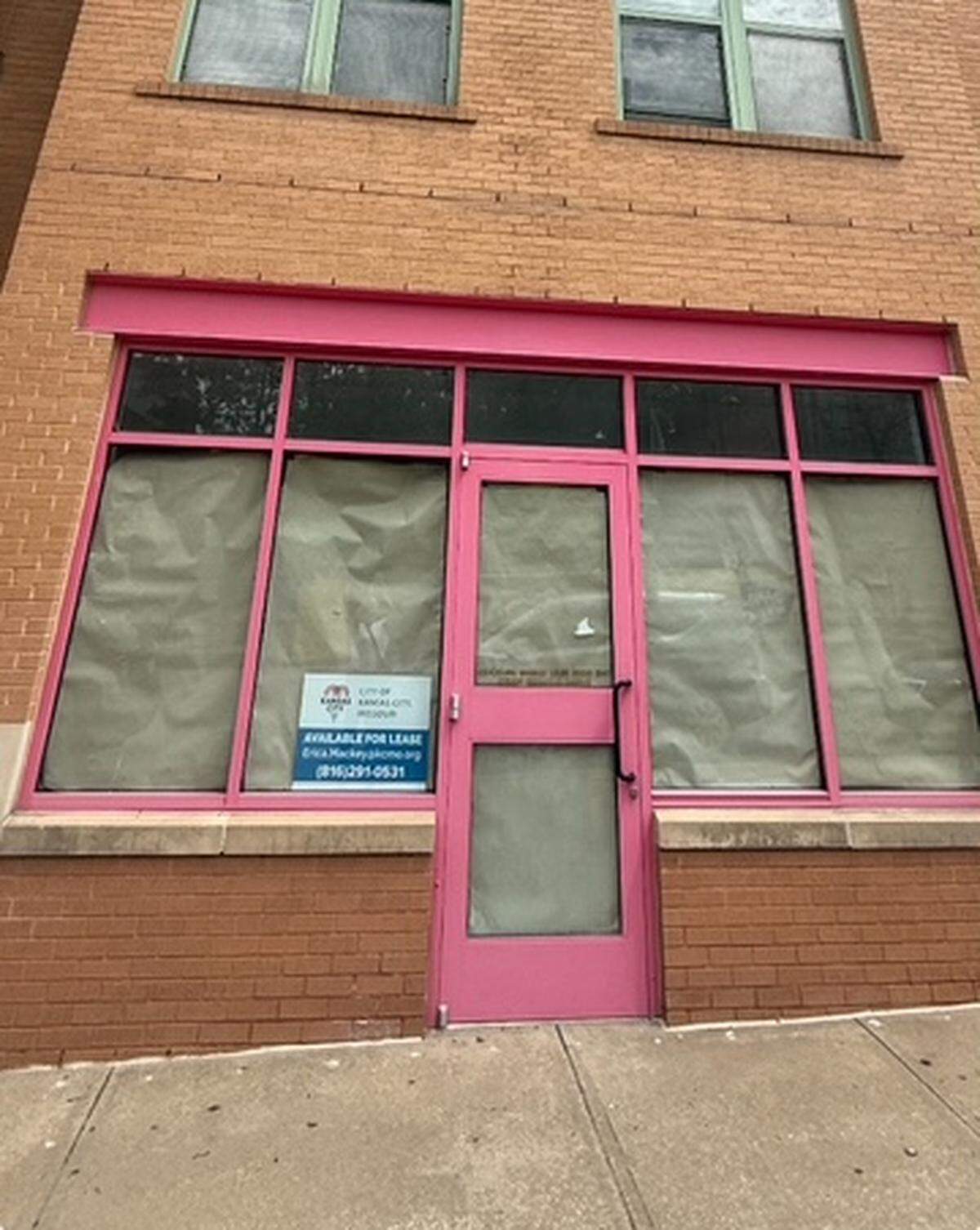
First, to fill up to as many as 30 or more empty storefronts and six art studios, whose darkened doors and windows currently cast a pall on the cityscape.
Second, it is to create incentives for small businesses, from within and outside of KC, to help them share in whatever economic windfall the World Cup brings and, hopefully, to see at least some businesses turn into long-term, self-sustaining tenants.
The resolution was passed to the full council Thursday after being approved Tuesday by the council’s Finance, Governance and Public Safety Committee, headed by Councilwoman Andrea Bough.
“We want to present a vibrant city with small business,” Wes Rogers, 2nd District Councilman, told The Star, prior to the committee action. Rogers sponsored the resolution along with co-sponsoring council members Nathan Willett, Ryana Parks-Shaw, Lindsay French and Darrell Curls.
“We want restaurants. We want retail. We want walkable spaces. You don’t want a bunch of empty storefronts and windows busted out,” he said. “If we can create some spaces where people go to different parts of the city, visiting our city and seeing artists and creators making stuff, then I do think that’s a win. That’s worthwhile.”
Parks-Shaw, who represents the 5th District in eastern and southern Kansas City, told The Star that her hope is that the program will do more than fill spaces in the short-term. The city is expecting as many as 600,000 visitors during the month that World Cup matches are to be played here.
“We want to make sure we create as much opportunity as possible,” said Parks-Shaw, who is the mayor pro-tem. “We’ve got a lot of entrepreneurs here in Kansas City. So to be able to give them an opportunity to maybe move some of them out of their homes and into storefront spaces, I think would be an excellent way to generate more revenue for the city.”
$1,000 per month, $25,000 a year
But don’t look for an application yet. The main reason is that none yet exists.
Although the City Council on Thursday agreed to create what it considers a pilot program, numerous details of how it will work have yet to be figured out.
Nia Webster, the assistant director of Kansas City’s Neighborhood Services Department, presented the program to the Finance committee.
The idea, Webster said, is based on a program that currently exists in Seattle, known as Seattle Restored, which began in 2021, and is credited with turning more than 75 vacant stores into pop-up shops, window art installations and artist residences.
San Francisco has its own version, begun in 2023, known as Vacant to Vibrant, which has also turned more than a dozen empty stores into long-term businesses, that include bakeries, ice cream shops and a women’s clothing brand.
In Kansas City, the effort would be a “pilot program,” using $1.4 million previously appropriated for World Cup economic development.
“Ultimately,” Webster told the committee, “this is pretty much a lease subsidy program.”
As outlined, the program would provide:
▪ For long-term leases of a year or more: A cap of $25,000 in lease subsidy, along with a stipend of up to $5,000 for capital and additional expenses, such as staff, merchandise or signage.
▪ Short-term leases of between three and six months: $1,000 per month in rent subsidy, along with a capital stipend of as much as $5,000.
▪ Artist residencies: $1,000 per month in lease subsidy for spaces shared by one to five artists to display and sell their work, or provide live performances, talks or other events.
“This could be local or national businesses,” Webster said. “This would be great for local businesses that are ready to kind of get up and get out of spaces, or get new spaces. This would be great for businesses that are across the state line and want to be closer to where the World Cup (activities) are.
“This would be great for some of the businesses that are maybe in some of the rural sides of Kansas City,” and want to be closer to the World Cup activities.
The program would also provide prospective lease holders with education and technical assistance, providing help with contracts, point-of-sale systems, accessing licenses and permits for food or liquor.
There will be no fee to apply to the program. A city panel will assess the applications. Once accepted, applicants will go through what Webster called “a matchmaking process” to link businesses with an applicable storefront.
Questions and concerns
Plenty of questions still remain.
A big one: How many empty storefronts are currently in Kansas City? Webster said the city plans to identify their addresses and also identify private property owners who would possibly be interested in participating in the program for short-term pop-ups or long-term leases.
Landlords, she said, would likely be paid directly through the city, similar to receiving a grant, rather than by the tenant.
“If you just drive around now, you will see a plethora of vacant storefronts on the bottom of different private developments around Kansas City,” Webster noted. “So the hope is that we can get those activated, and at least not have any storefront vacancies for the World Cup.”
The goal, she continued, “would be to get these businesses educated, get them into pop-ups, and then ultimately get them into long-term leases. Of course, we’re only subsidized for so long, with the hope that they have built up enough revenue, enough foot traffic and clientele to keep them moving forward.”
City Council members on the raised questions questions and concerns during Tuesday’s committee hearing.
Councilman Crispin Rea asked whether the storefront had to be in any certain area of the city. Webster said the thought was to fill storefronts closest to the busiest World Cup activities, likely in and around downtown, or within a mile of the streetcar line.
Rea noted that there were also businesses along Truman Road with empty storefronts.
Councilwoman Melissa Robinson raised several concerns regarding how long a storefront needed to be empty to qualify. She was concerned about tenants possibly being ejected by landlords in advance of the World Cup to make their spaces available for the program and its guaranteed rent.
“I’m worried about displacement,” Robinson said.
She also raised concerns about businesses and empty storefronts along U.S. 40, close to where the matches will be played.
“The games are going to be held at Arrowhead Stadium,” Robinson said, “and we have a lot of issues as it relates to storefronts that need to be addressed along 40 highway. So I am concerned about what are we doing for the businesses that are already contributing to our economy.
“I’m a believer in dancing with the person who brought you. . . .the businesses that are currently operating that also need support and help.”
She raised questions regarding how much stewardship the city would have over the tenant-landlord contracts as to hold landlords accountable to their agreements. Robinson also wondered how much the program addressed established businesses.
Webster replied that it does. Established businesses were equally eligible to be part of the program. In fact, Webster said, they were desirable.
“The program doesn’t just support new businesses,” Webster explained. “This is really looking for those existing businesses. It gives a business an opportunity that may be in other areas of the city, to maybe be close to where the activations might happen, to be closer to where the tourists will be.
“It’s really about putting them in physical locations. It’s inclusive to those who are already existing to see if there is kind of a way to give them a leg up.”
Robinson also asked how long a business needed to be operating to be eligible for the program. That has also yet to be determined.
“We’re going to work on the definition of that,” Webster said. “Do they have to be in business X,Y,Z amount of time, or is it based on the size of revenue?”
She continued, “Because we want them to be successful. Because the idea (is), ‘I’m not subsidizing you for life. I’m only subsidizing to support that you were activated during the World Cup.’ So we want to make sure that we have businesses that can actually perform, that actually create revenue, that can be in the space and actually be successful.”
Perhaps successful enough, Webster said, that the pops-ups and other businesses put in place during the World Cup will last far beyond.
“We would hope that the legacy of this program would be that we could expand it out into other parts of the city,” Webster said, “and deeper into the neighborhoods.”
This story was originally published June 4, 2025 at 6:00 AM.