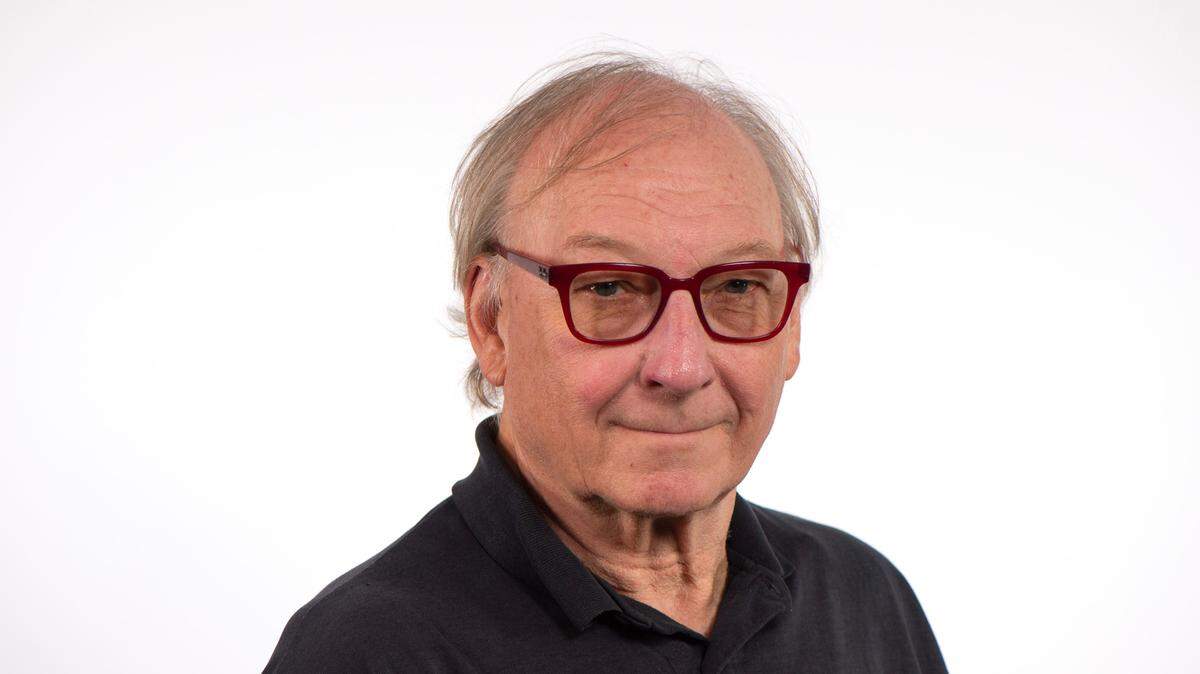
Kansas City’s next city manager? Meet these 3 candidates for the job
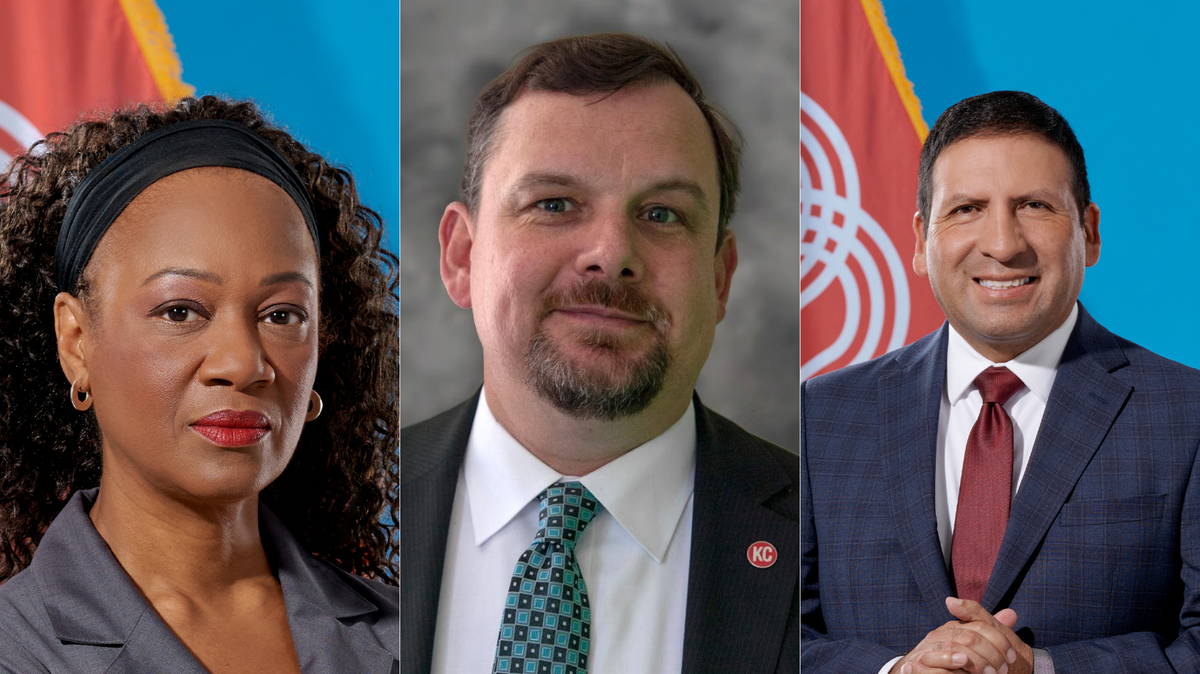
Kansas City Mayor Lucas will soon announce who he wants to serve as city manager for the remaining two years and three months he has left before term limits end his stay at City Hall.
It will then be up to the rest of the City Council to either ratify that nominee, or start the process all over again.
A redo is not likely, as Lucas is a seasoned politician who knows how to count votes before sticking his neck out. The person he nominates is almost certain to get the support he or she needs to take on the most important job in city government. And that person will most certainly hold onto it at least for the remainder of this council term, absent unforeseen calamity or scandal.
Lucas and his 12 colleagues on the council interviewed three finalists for the job during a public session Thursday. All were top assistants to former City Manager Brian Platt, who was suspended and then fired in late March after a jury in a whistleblower lawsuit awarded $930,000 to the city’s former communication’s director, Chris Hernandez.
That suit alleged that Platt saw no reason not to lie to the news media about the city’s accomplishments, and council members said that stain on the city’s reputation was one reason for voting unanimously to let him go.
Understandably, restoring public trust was one of the themes of the questions put to finalists Kimiko Black Gilmore, Mario Vasquez and Patrick Klein during their interviews, each of which lasted about 90 minutes and were televised on the city’s cable channel and streamed on the city’s You Tube channel. You can watch the recordings here.
Council members also probed them about their commitment to providing basis city services, economic development and improving staff morale.
All three are City Hall insiders, who were picked out of a field of about 40 applicants from inside and outside city government during an abbreviated job search process.
Gilmore was Platt’s deputy city manager and is currently filling in as city manager on an interim basis.
Vasquez is an assistant city manager and director of city planning, who also worked for Platt.
And Klein was an assistant city manager and director of aviation until he retired two years ago. He worked for Platt and City Manager Troy Schulte before him.
All three couldn’t be more unlike Platt in terms of their backgrounds and work experience. Platt was in his mid-30s and new to City Hall when he became city manager in later 2020 after holding a similar job in New Jersey.
Gilmore, Vazquez and Klein are all in their 50s and have worked at City Hall for decades. All have served under three or four city managers, mayors and city councils during their tenure. And all understand that there’s a good chance they could be out of a job in two or three years.
According to the help wanted ad the city ran, the next mayor and City Council could very well decide to. hire someone else when that new governing body is seated on Aug. 1, 2027. But if they do a good job and impress the person who replaces the term-limited Lucas in the mayor’s office, then that city manager might get to stay a bit longer.
Schulte lasted 10 years after replacing his predecessor, Wayne Cauthen, who also was fired, and worked for three mayors..
We should know within a week who Lucas believes can best lead the city through the challenge of helping accommodate the 2026 World Cup while keeping major projects like the new jail and South Loop park moving forward.
Here’s a little bit about each of them and some of what they said during their City Council interviews this week.
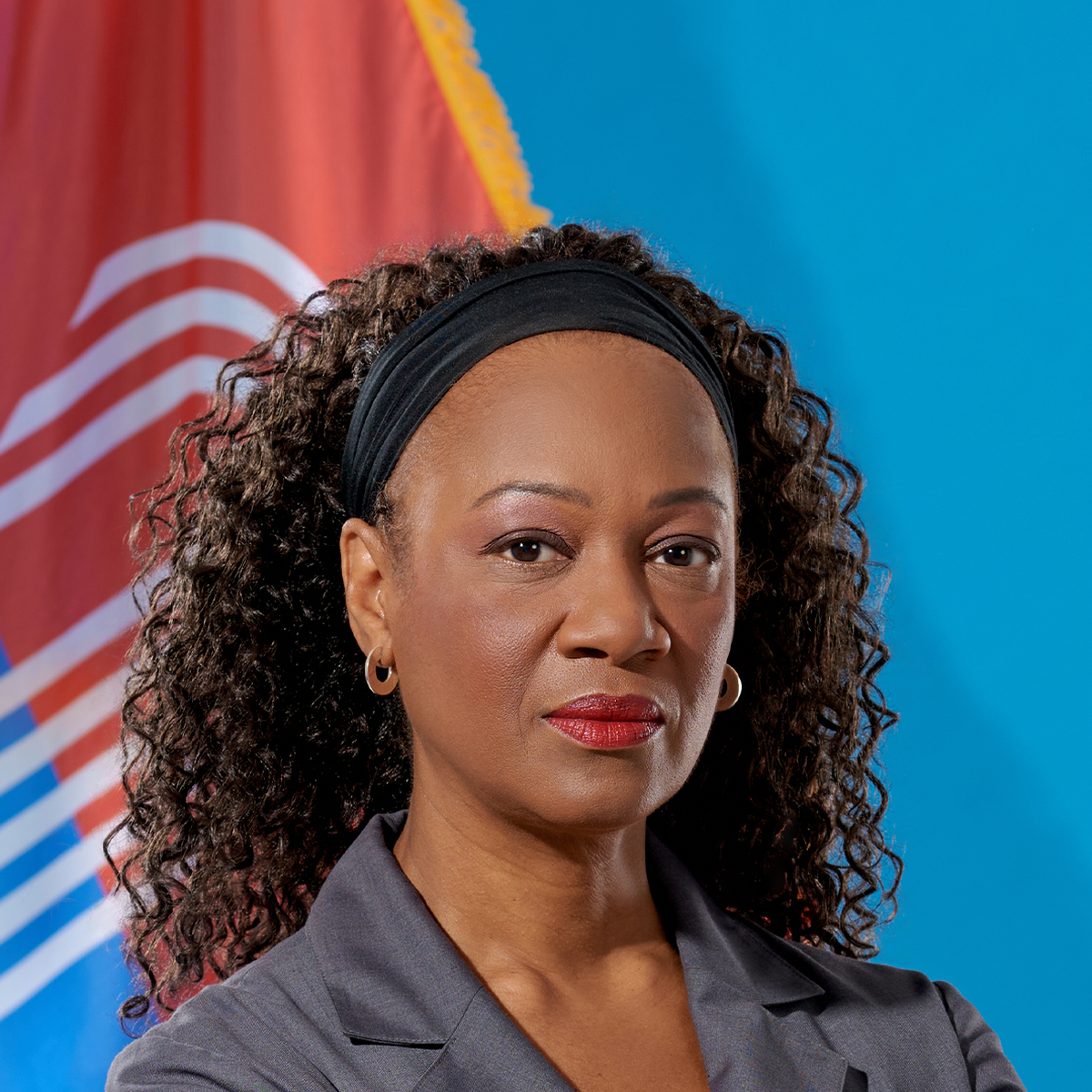
Kimiko Black Gilmore
Background and Education
Gilmore was born in New York City. Her family move to Kansas City in 1980 and she graduated from Park Hill High School in 1983.
She earned a bachelor’s degree in sociology from the University of Missouri-Kansas City in 1989 and a master’s degree in public administration from Troy University in 2000.
Work experience
Gilmore began her City Hall career in 2000 as an aide to former 5th District Councilman Terry Riley.
In 2006, she formed a campaign committee to run for the 5th District At Large seat, but withdrew before the primary. Gilmore was at the time community relations director for the nonprofit corporation now known as Community Builders of Kansas City, which specializes in real estate development on the city’s East Side.
She then spent two years as deputy regional director for U.S. Sen. Claire McCaskill, leaving in 2009 to become assistant to then-Kansas City Manager Wayne Cauthen. Gilmore stayed on after Cauthen was fired to work for City Manager Troy Schulte and was assistant city manager from 2012 until October 2018, when she became chief of staff for the chancellor of the University of Missouri-Kansas City.
Platt made her deputy city manager in 2021 and put her in charge of the city’s convention and entertainment facilities. According to her city bio, Gilmore worked closely with the Kansas City Sports Commission on preparing the city’s bids for the 2023 NFL Draft and the 2026 FIFA World Cup.
Key goals
Gilmore has been interim city manager since Platt was suspended on March 6. She plans to go on a 100-day listening tour of the city, should she get the job on a permanent basis.
Throughout her career, she said she has been committed to collaboration, accountability and transparency in government.
“I believe in servant leadership. That means listening first, leading with empathy and making space for others to succeed,” she told the council in her opening statement.
As manager, she said she would focus on basic city services, rebuilding trust with residents through greater transparency and being equitable in delivering opportunities for growth and investments in infrastructure in all parts of the city.
“I’m not here to manage decline,” she said. “I’m here to lead transformation. I believe we can be a national model for what an innovative, compassionate and high performing city government looks like, and I believe that starts with alignment from this body to our workforce for the residents we serve.”
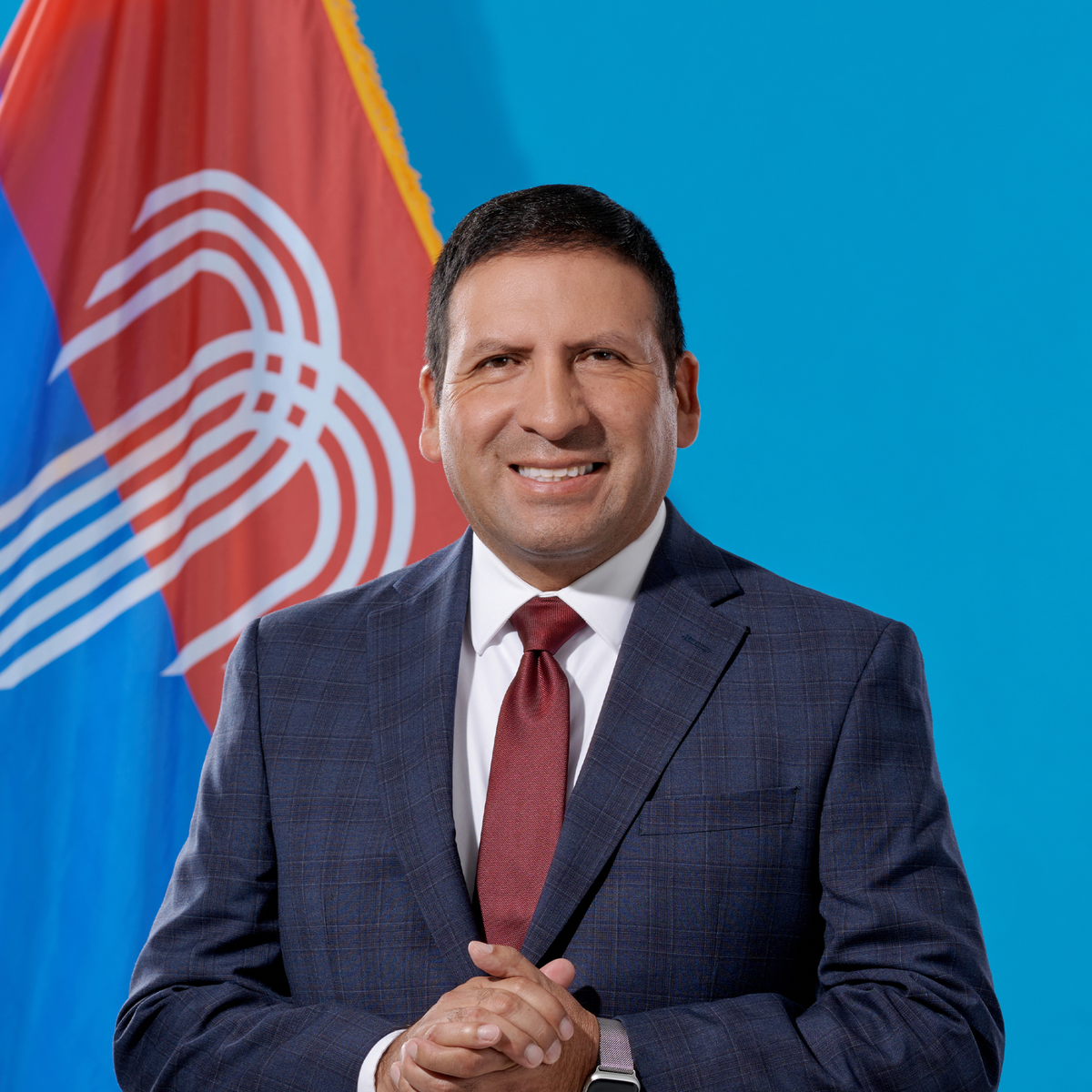
Mario Vasquez
Background and Education
Vasquez was born in Bolivia and his family moved to Wisconsin during what he called “a time of economic distress and turmoil” in his home country. He graduated from a suburban Madison high school in 1989.
He earned a bachelor’s degree in economics from the University of Wisconsin-Eau Claire in 1995 and a master’s degree in science in urban and regional planning from University of Wisconsin-Madison in 1996.
He earned a master’s degree in entrepreneurial real estate from the University of Missouri-Kansas City in 2014.
Work experience
Vasquez began his career as an entry level planner for Kansas City in 1997 and was promoted to project manager in 2005. Over the next 17 years he worked on a range of project including the city’s purchase and redevelopment of the Linwood Shopping Center on the city’s East Side.
He became an assistant city manager in 2022 and last August was given the additional responsibility of becoming director of city planning and development.
Key goals
In his interview with the council, Vasquez Mario Vasquez emphasized the need for constant evaluation of staff roles and compensation, likening it to regular health check-ups.
He highlighted Kansas City’s fiscal challenges, including the need to renew the earnings tax next year, as it accounts for a large chunk of city government’s revenues. He also said it’s essential to renew the sales tax that funds the Central City Economic Development tax district, which he called “the most incredible resource we have have to promote investment” in a disadvantaged part of town the needs investment.
Vasquez also stressed the importance of public trust, transparency, and honesty in rebuilding city departments’ credibility. Among his first tasks would be to address immediate issues like the city’s preparedness for hosting the World Cup next year.
“With respect to the World Cup, I think we feel somewhat unprepared,” he said. “I think we have a liability with respect to that event if we don’t perform as required.“
Key to the that preparation will be hiring someone soon to replace the director of the Office of Emergency Management, who recently retired. And the city will need to replace the fire chief, who is also nearing retirement, he said.
Vasquez also discussed the need for equitable economic development, workforce development, and regional cooperation to enhance the city’s growth.
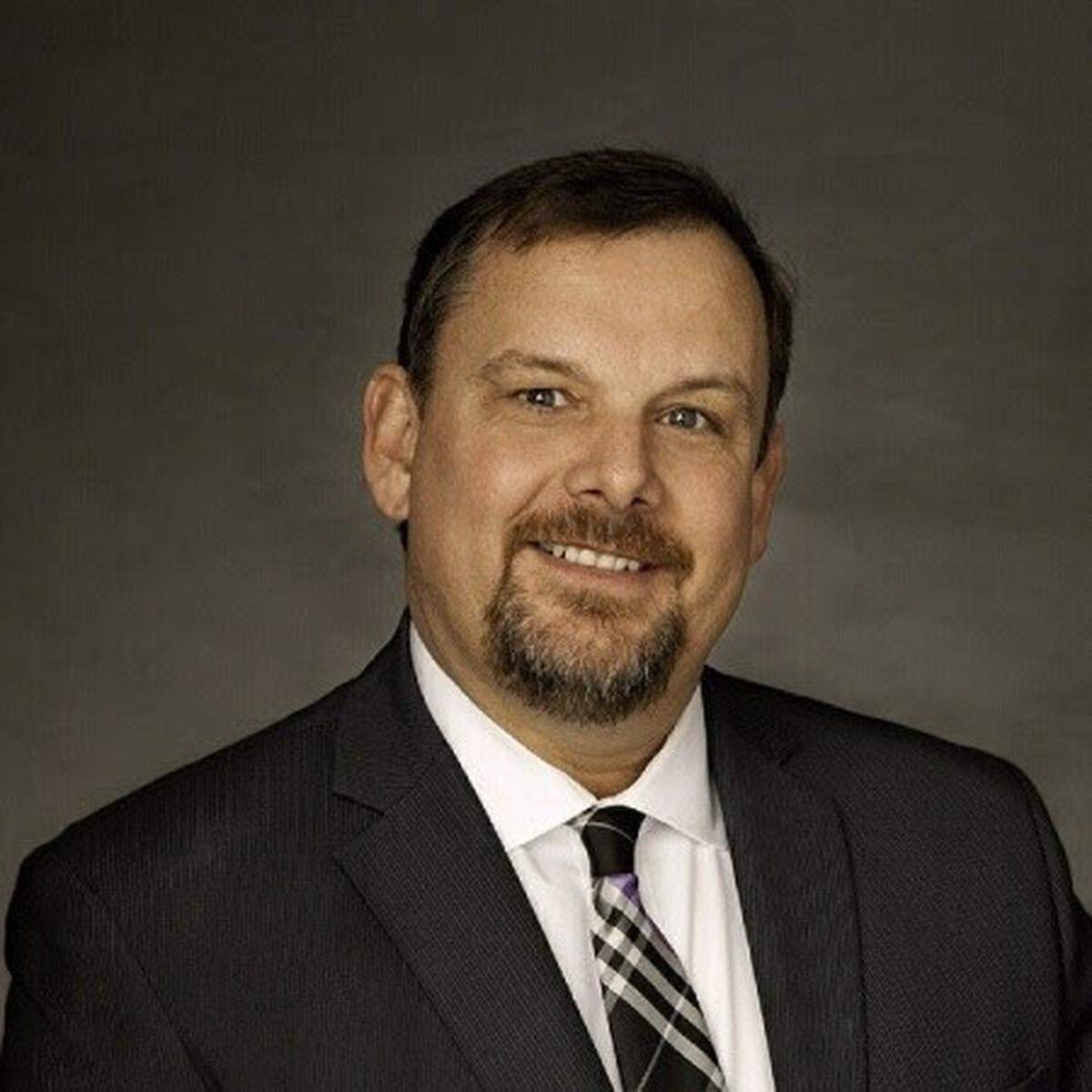
Patrick Klein
Background and Education
Klein was born in Germany while his father was stationed there as a member of the U.S. military. He grew up in a small town in Kansas and attended Hutchinson Community College for two years on an athletic scholarship.
He earned a bachelor’s degree from Kansas City University in 1991 and a master’s degree in public administration from the University of Oklahoma in 1996.
Work experience
Klein began his career as a capital improvements analyst for Kansas City in 1997 and rose through the ranks at City Hall until his retirement in 2023.
He became director of the capital projects department in 2011 and the next year was appoint assistant city manager by then-City Manager Troy Schulte.
Klein headed the city’s communication department for a short time filled with big challenges, including the city’s response to a 2013 natural gas explosion that leveled JJ’s Restaurant and killed one of its workers.
He was the city manager’s liaison to the Aviation Department, rising to become department director in 2016, where he oversaw construction of a new, $1.5 billion terminal at Kansas City International Airport.
Key goals
Klein said he decided to come out of retirement and apply for the city manager’s job because he wanted to help out the city to which he had devoted his entire career.
“I will lead with authenticity, collaboration, accountability, transparency and problem solving,” he told the council. “This is not an ego job for me. This will be a good government giving back to the city that has given me unbelievable amounts through my 25 years.”
Klein emphasized the importance of improving employee morale, the need for stability in leadership and data-driven decision-making. Like Gilmore and Vasquez, he stressed the importance of transparency, effective communication and budget management at a time of uncertainty in the economy.
“If we go into a recession, what does that do for spending?” he said. “If people aren’t spending much as grocery stores, what does that do to our use tax, our sales tax go to, what are our utility taxes like? I mean, sort of all those tax structures that we get. How does that change?”
He, too, worries that the city might be adequately prepared for the World Cup, and said he would make that a priority, along with promoting development in areas of the city that need it most.
This story was originally published May 3, 2025 at 5:00 AM.