Salon owner gives kids who hope for adoption confidence: One hairdo at a time
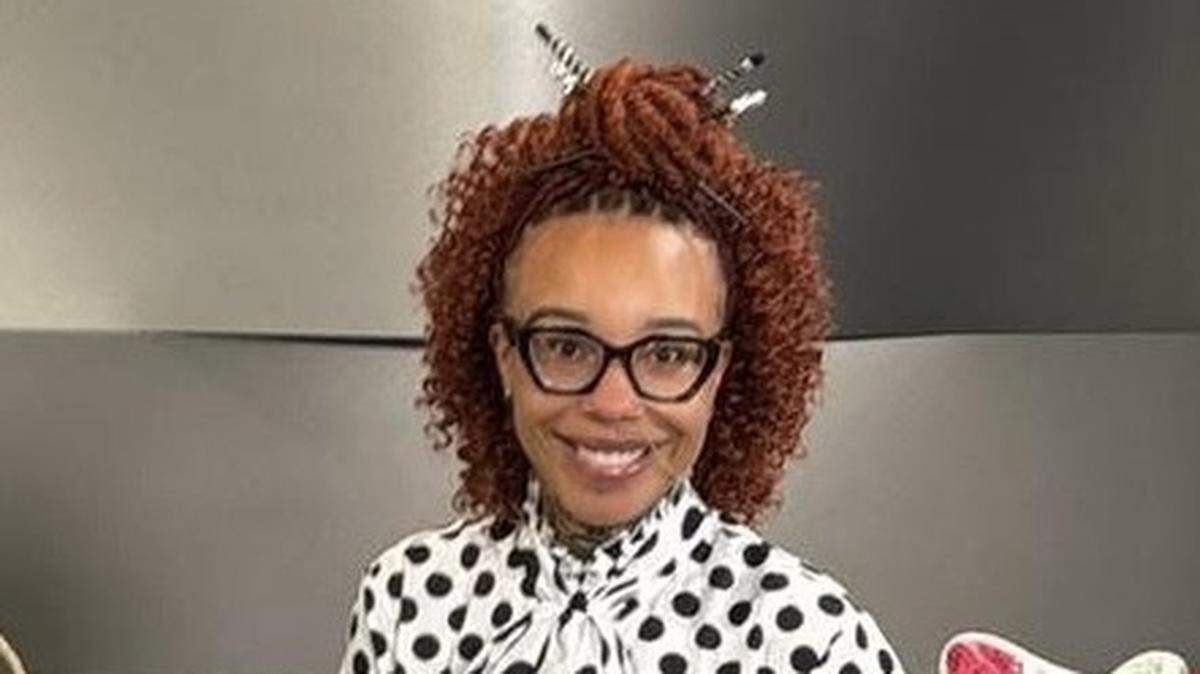
Delia King was placed into foster care as an infant and remained in the child welfare system until she was eight years old. She was eventually adopted by a woman who became her mother.
While King recalls that life was never particularly difficult, her adoptive mother, who was in her 60s at the time, was unfamiliar with hairstyles that were popular. As a result, King often felt anxious about her appearance and uncomfortable going to school.
This experience sparked her interest in styling hair and braiding, a passion she transformed into a career. In 2018, King opened her own business, Sunshine Salon. After a few successful years, she was inspired by her own experience as a child to support young girls in foster care who faced similar struggles taking care of their hair.
In 2021, she founded Sunshine Hair Haven, a nonprofit organization that offers free hair services to girls in the child welfare system and provides hair care education for their parents and guardians.
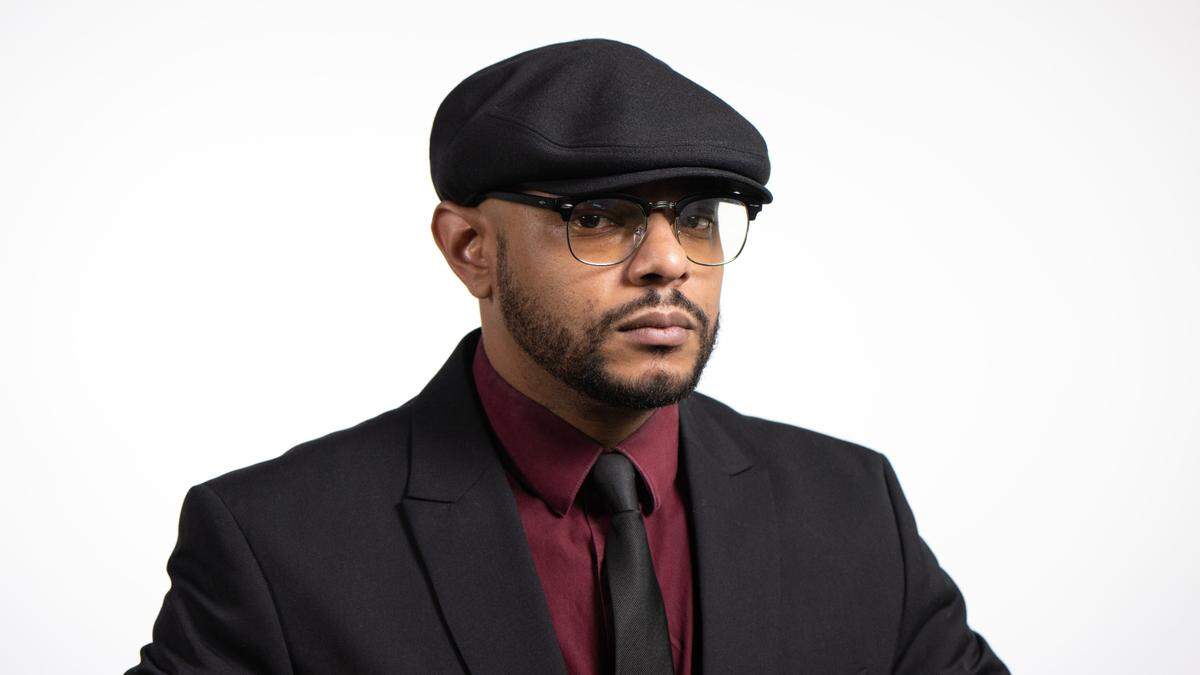
King recently sat down with Kansas City Star culture and identity reporter J.M. Banks to talk about growing up as an adopted child, the importance of hair to a young girl and the resources she believes are needed to help children who leave the child welfare system have good futures.
How do you think growing up as a child of adoption impacted your life?
My mom put me up for adoption and the child doesn’t really get a choice in it, but that’s pretty much what happens. That’s the negative part of being adopted. I don’t know why she did what she did, but I’m grateful because I wouldn’t be this amazing woman today if she didn’t. I was adopted when I was eight and my mom was 60.
It impacted my life because it is what turned me into a hairstylist. My mom wasn’t able to do my hair and I didn’t enjoy getting stared at and everybody wondering why this girl’s hair looked like that. I was the only child on my block that was adopted and it made me feel alone. I had a parent that loved me but my mama just was old and couldn’t do my hair. I didn’t really have to suffer or go through traumatic experiences like people expect when they hear you grew up as a child of adoption or lived in a foster home.
I didn’t really have a negative experience. I just didn’t want everybody knowing I was the only one who didn’t have a biological parent. I just wanted my hair to look nice so nobody would know I was adopted.
When did you decide to make cosmetology a career choice?
Because my mom was in her early 60s she couldn’t really style my hair the way that I wanted. I began to learn how to do braids and other hair styles young. Then the people around me started liking the way I did hair and began to ask me if I could do theirs and I knew that was something I was good at and could always do.
I am a licensed cosmetologist in both Kansas and Missouri and have been doing hair for 25 years now. I opened my shop, Sunshine Salon, in 2018 and have been doing my nonprofit Sunshine Hair Haven since 2021.
What inspired you to start the nonprofit to do the hair for the children and the adoption system and foster care system?
During the pandemic I had to close my salon in Overland Park and got to sit at home and really think. I was thinking about the reality that I make such great money but I’m not fulfilled by what I’m doing. So, I wanted to do something I am passionate about, which is helping children.
So that was when I started Sunshine Hair Haven. After COVID, I committed myself to really focusing on that. There are children out here in homes who have to take school pictures, about to go to prom, about to graduate and those are big events that they want to look good for. Most of those kids don’t have anyone who cares that they are taken care of and they can look back on those moments and feel good about the way they looked.
Can you tell me about the importance behind the self-esteem for a young girl having her hair done?
It’s very important because it can feel like the framework of their entire existence. A lot of people are unaware that when you are in foster care and you’re waiting to potentially be adopted, when a parent comes and they’re looking for a child, one of the first things they think about is the behavior.
The way a child looks impacts the way they feel and if they don’t feel good about themselves they can act out in negative ways. So we know it isn’t so great to base things off appearance, but if they look and they don’t see something they connect with, it can affect a child’s chances at finding a second home. I go with the intention of helping them feel better about their appearance so that their self-esteem will be better.
How do you find the children and what kind of hairstyles do you do for them?
It really has been through word of mouth. The goal is to reach out and connect with other groups and organizations. Right now the plan is to reach out to places like Cornerstones of Care (family support organization) and Operation Breakthrough (a child care organization) and if they have a child that is in a home that is in need of the services they connect me directly. I actually have about eight different services that I do but mostly natural hairstyles, braiding and extensions.
What obstacles prevent children in the foster and adoption system for getting hair services?
So a large amount of African American children are in homes with parents that have no idea what to do with their hair and how to manage it.
I’m doing this for a mom who may have six or seven children in foster care in her home, and she can’t style their hair, and now they’re already getting picked on so I want to at least help their appearance.
What do you think is the most fulfilling aspect of your work?
Just seeing how happy the children are when I am done and see how they look. You can just tell that’s all they ever wanted, to just look like the other little girls. Especially when they get online and then they see these Black girls and they have these braids and these extensions. Then they have an image of want they want and they don’t know how to obtain it. I have had parents that didn’t know who to talk to or what to request, so it’s me trying to bridge the gap of cultural misunderstanding.
What do you think is the most difficult aspect of the work you do?
Sometimes trying to get to that cultural understanding into the household. It’s difficult because sometimes it could feel like basically combating someone’s parenting. It’s a lot because no parent wants to feel like they are being tested.
Hair is apart of parenting, a lot of times that could mean changing the demographic of how they’ve already been doing things at home. There may be special products or different combs or brushes needed for their hair. That can be frustrating for a parent who already feels they’re doing the right thing to hear you should be doing more or you need to do more.
Every parent isn’t always so accepting of that new information. But for the most part a lot of the adoptive and foster parents are receptive and want to learn. I also offer classes for parents to learn how to style and manage Black hair so they can have those skills at home too.
How do you feel the work you do impacts the community around you?
I grew up here and the need came from me living this scenario. Seeing it I empathize because I’ve actually lived it. I want to assist because I feel like those kids have been forgotten. A lot of people don’t know that children in foster care have one of the highest suicide rates. At ages 17 to 19 mostly because being in the system all that time and not finding a forever family once they age out, they’re basically alone in the world. I am just trying to remind them that they matter so they can feel that importance of their existence.
Why don’t you think the state has the proper resources in place to assist Black children with their hair care needs?
I think a lot of it goes back to the system being set up by people who don’t look like us. I think because white people don’t have the same needs with their hair care as we do, so that is why white person can literally shampoo their hair and go and that’s not the same with us.
I think that they need to have people in place to assist with the needs of Black hair care needs and talk to people who actually understand where the discrepancy lies. I’ve actually been attempting to make connections to offer my services and talk to multiple people here about it and no one can ever seem to get back. I am not looking for money, I have already invested my own money and I’m willing to do the work.
What are some of the goals you have for your nonprofit moving forward in the future?
My goal is to have Sunshine Hair Haven as a staple in the community that helps the children who need it. I would love to partner with organizations to help more children in the system or just children in need. I would love to find more hair stylist in the area who are also passionate about helping and maybe growing the network to expand the reach of the good we do.
For more stories about culture and identity, sign up for our free On The Vine newsletter at http://KansasCity.com/newsletters.