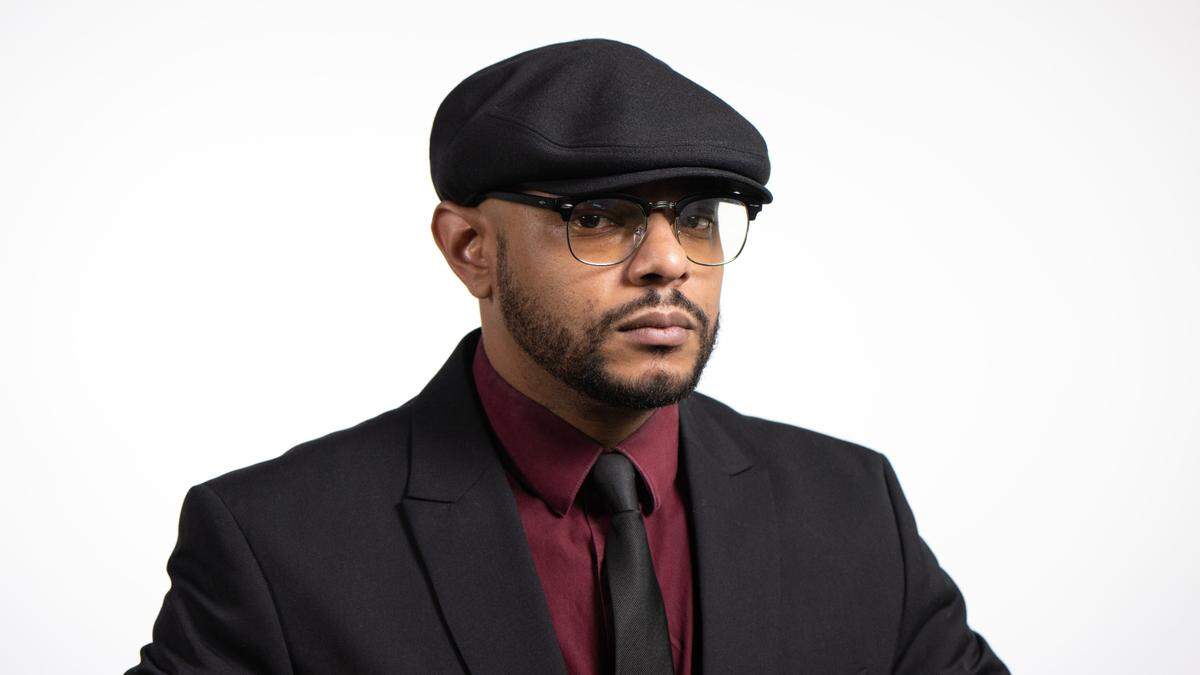
Former State Rep. used time in politics to bridge the divides he saw as a child
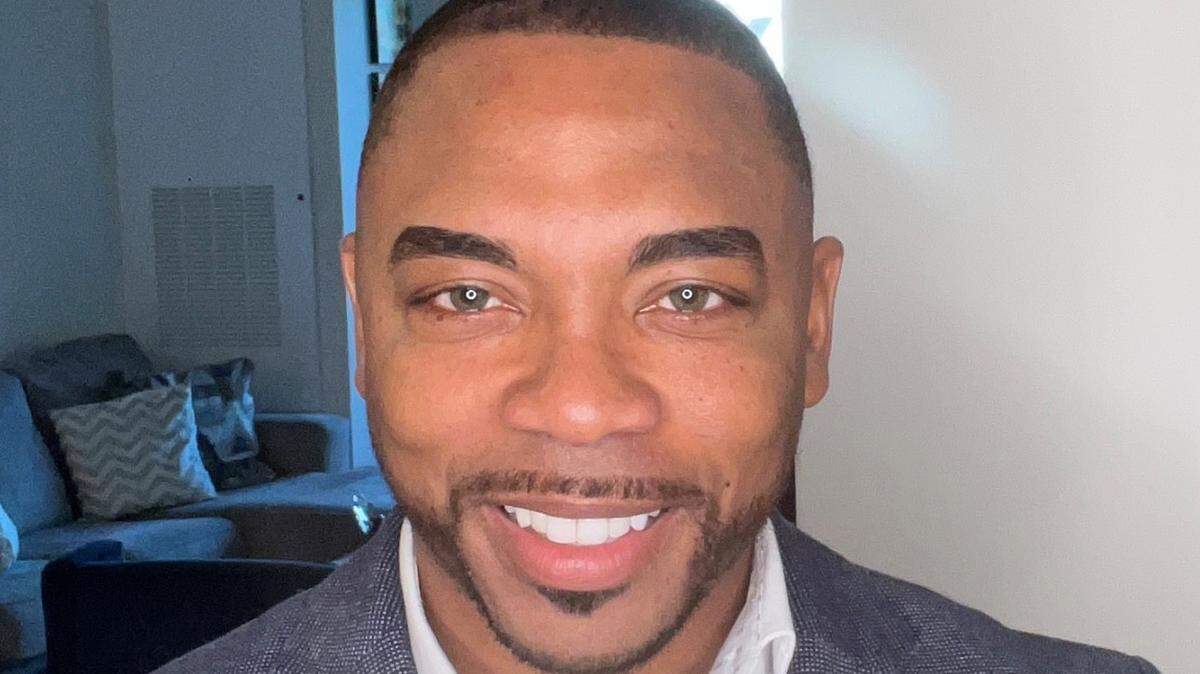
When Randy Dunn was in elementary school in the Kansas City School District, he was placed in a class for academically gifted students. At the time, he believed he was learning material far beyond what most children his age were being taught in a typical classroom.
However, after his family moved to the Raytown School District, he quickly realized that the curriculum in his former gifted classes was standard in his new suburban school, a surprising and eye-opening experience.
After spending several years working as a city planner in Kansas City, Dunn was encouraged by friends and colleges to run for the Missouri House of Representatives, representing the 23rd District in 2012. He won that election and became the only openly gay person of color in the House. This distinction pushed him to work even harder to ensure underrepresented voices were heard.
Today, as the Director of Community Engagement for the City of Grandview, Dunn continues his commitment to change, focusing on addressing systemic issues in education, healthcare, and housing.
Dunn recently sat down with Kansas City Star culture and identity reporter J.M. Banks to talk about his unexpected journey into politics, being a voice for minority groups and against the current climate of hostility towards equity in the legislator.
Banks: How did your experiences growing up in Kansas City impact the work you do now in the community?
Dunn: I grew up here in Kansas City, born and raised for the most part on the Eastside. I was the youngest of three children and had two older brothers. I think when I look back on what really kind of started me on my path that I’m on now it is when I was in elementary school. I was in the gifted classes when we were living in the Kansas City school district and then we moved to the Raytown (C-2) School District. I remember the first class we had a math quiz and the things that were on that math quiz were the same things that were being taught in the gifted class in the Kansas City school district.
I remember just thinking, if I wasn’t fortunate enough to be in the gifted classes I probably would have been behind. I realized then there were disparities in terms of resources, and things of that nature, depending upon where folks lived, what means their family may have. For me that made me want to really figure out how we can address issues of inequality and create more equity.
I went to and graduated from Raytown South High School, then after that went to UMKC (University of Missouri Kansas City) for undergrad and grad school. I always thought that I was going to be an architect. But for me architecture was missing that community aspect which led me to change my major to urban planning.
So after grad school I started off in my career as an urban planner for the city of Kansas City and that gave me the opportunity to work in a lot of these under-served, underdeveloped communities to help them figure out what it was they needed, what they wanted to see in their communities, to look and to feel like.
I continue to focus on urban planning and economic development policy. Those have really been kind of the focus of my career working on those types of issues.
What led you to a career in politics?
I was working with a lot of the folks in the community with the work that I was doing and they encouraged me to run for the state legislature in 2012. It was definitely not an aspiration that I had. I was always civically minded and always paid attention to what was going on politically even before I could vote, but running for office was never something I could see.
When I was much younger, I was very shy and not someone who enjoyed talking in front of large groups of people. Certainly, thinking about me going out knocking on doors to secure votes from folks or speaking on the House floor was never something that was part of my plan. I always thought that I would be doing work behind the scenes and helping other people get elected, but I never thought I would have been the one to step forward and run for office.
What was that first experience in politics like for you after you were elected?
So as a Democrat, we are in the super minority in the legislature here in Missouri and so that was definitely a challenge. Learning how to navigate being in the super minority and just realizing how challenging it could be to get anything done legislatively. But it was successful. I was able to build relationships with folks across the aisle and work with them.
The end goal was wanting to get things done and I was able to get things done in many instances. I was also successful in being able to get some of my own legislation passed, serving on the budget committee. But again, one of the most frustrating things and things I didn’t anticipate was just how difficult it was going to be being in the minority and their resistance to saying what they really believed.
That was a little surprising for me as well as that people wouldn’t stand up for what they truly believed in, all in the name of being able to hold on to power.
What made you step away from serving as a state representative?
I left the legislature in 2017. I was in the middle of my third term and I accepted a position as the executive director of a nonprofit community development intermediary. It was located in Omaha and since I was going to be relocating out of state I had to resign from my position.
Was there any particular achievement or milestone that you were proudest of in your time in the legislature?
In the legislature I was able to create a grant, which is still in place for urban agriculture and urban farming, through our Department of Agriculture. So again, working very hard to get funding into the budget to address issues around housing affordability. We also had an issue of a gas station that had some underground tanks that were leaking gasoline into the surrounding community and we were able to work to get funding to be able to address that and get that issue remedied.
I was one of the only Democrats to chair a committee the then Speaker of the House created, a special standing committee on urban economic development. In that position I was again able to really champion legislation to address issues around economic development in the urban cores in Kansas City, St. Louis and other metropolitan areas around the state as well.
How was it being one of the only LGBTQIA people of color serving in the Missouri House of Representatives at that time?
I didn’t realize just how big a deal it was at the time because I was just being me, being myself. But I definitely now recognize the importance of representation and for folks to be able to see themselves holding those types of positions and also for me in that role to be able to stand up.
How do you think your experiences as a person of color as well as member of the LGBTQ community shaped your perspective as a politician?
I think I understand the intersectionality of wearing those different identities and who I am. I understand the challenges that those communities face and I have empathy. Being able to stand up for those communities as well and to be able to be a voice for them, recognizing that they are not a monolith and folks have different viewpoints from those communities.
Having that understanding of what it is like to be discriminated against, to be looked at as other than. I’m here to represent those communities and then again to elevate the voices of folks from that community when they may not be able to do that themselves.
In this current political climate what do you think are going to be the biggest challenges for those crusading for equity and diversity?
I think one of the big challenges is for folks to understand that diversity, equity and inclusion are not bad things. It is something that we really need and I think one of the challenges for legislators of color and politicians of color is to be able to articulate exactly what DEI really means, what woke really means.
These terms have been bastardized by folks on, you know, the other side who don’t want to see folks that look like me elevated into these types of positions and to see folks from our community to be able to have the rights that are duly afforded to them by our constitution. I think for them to be able to kind of break through that and help folks to understand that those words are the fabric of what makes this country what it is today.
Can you tell me about the work you do in your role now?
So as the director of community development for the city of Grandview, I oversee three different divisions within that department and help to shape the vision for the department. I manage all the staff within that department, administer our budget and propose our budget to our city administrator and Board of Aldermen.
I am really trying to work to continue to push Grandview forward. Grandview has seen a lot of growth over the past years and it’s really continued that forward momentum.
What are the main challenges you face in your role there?
We have seen tremendous growth and we are at the forefront of a lot of things in the metro, and working to make sure that people are able to see past their own biases and preconceived notions of what Grandview may have been in the past.
What are your goals for the future?
I really enjoy the work that I’m doing here In Grandview. There is so much potential here and a lot of projects that we have going on. I am looking forward to seeing those things through.
I will also be starting a doctoral program so I am looking forward to just getting started with that and eventually with that leading to hopefully teaching at the collegiate level and helping to train up the next generation of future leaders.
For more stories about culture and identity, sign up for our free On The Vine newsletter at http://KansasCity.com/newsletters.