KC author’s book on white nationalism purged from Navy library in anti-DEI push
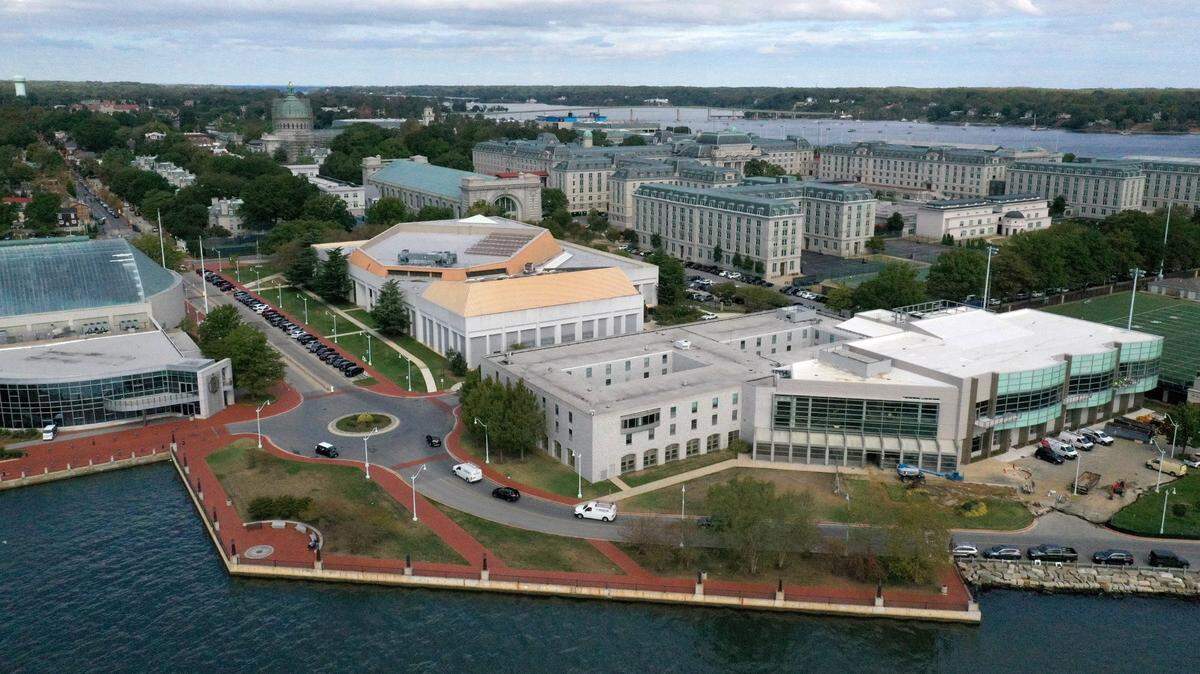
A local author and internationally recognized researcher on the white nationalist movement is among hundreds whose books have been purged from the U.S. Naval Academy library after being deemed to promote diversity, equity and inclusion.
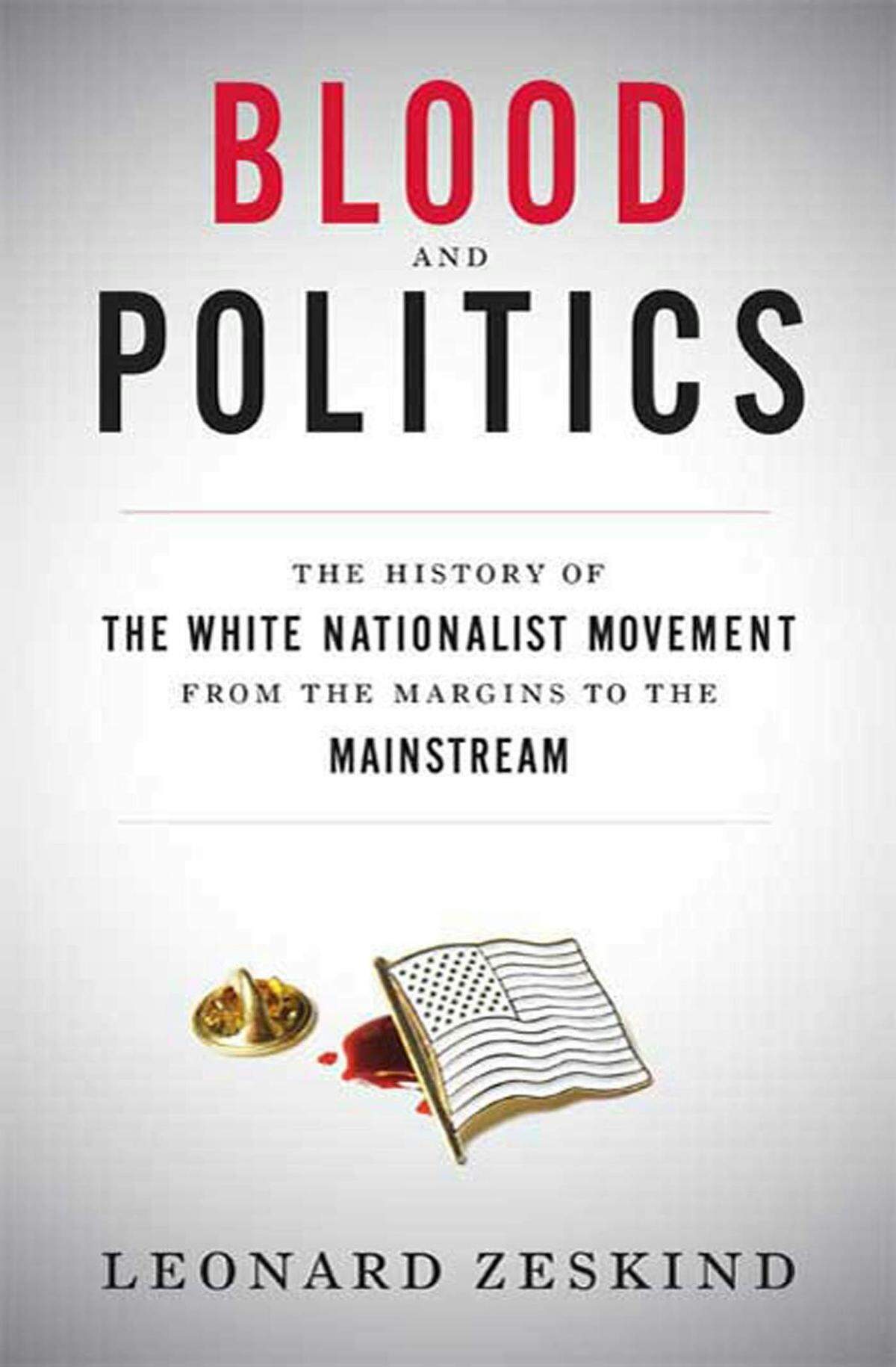
Leonard Zeskind’s “Blood and Politics: The History of the White Nationalist Movement from the Margins to the Mainstream,” was #95 on a list of 381 books that were removed. The Navy released the list this month.
The book, published in 2009 by Farrar, Straus and Giroux, is a comprehensive history of the movement as it evolved over several decades. Zeskind, founder of the Institute for Research and Education on Human Rights (IREHR), worked on the book for nearly 16 years.
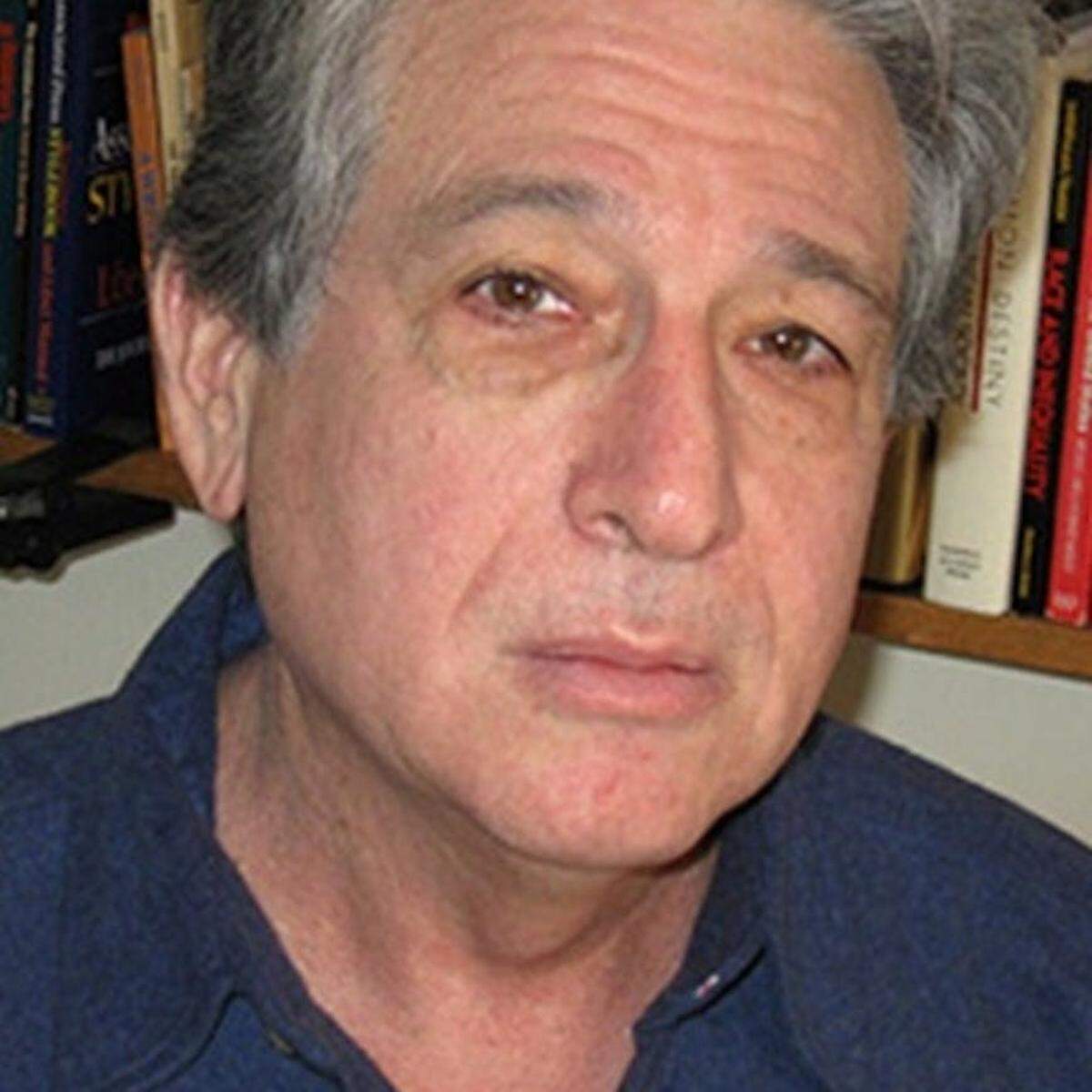
Zeskind, 75, died Tuesday morning at his home in Kansas City.
“The removal of IREHR founder Leonard Zeskind’s seminal history of white nationalism, Blood & Politics, along with hundreds of other important books, is part of the Trump administration’s systematic attempt to erase and exterminate Civil Rights,” said Devin Burghart, the organization’s president and executive director, in a statement to The Star.
“IREHR will not let such craven, cowardly acts deter us from our mission of defending democracy and human rights, particularly in this time of crisis. We will not forget. IREHR pledges to expand our efforts to share the work of Mr. Zeskind and other Civil Rights heroes.”
Burghart said Zeskind worked for more than four decades to curb the influence of racism, anti-Semitism and white supremacist groups in the United States.
“He was a righteous intellectual/organizer, a role model and mentor, and an anti-fascist way before it was cool,” Burghart said Wednesday in a post on X. “He will be greatly missed.”
The book removal stemmed from the Trump administration’s push for federal agencies to eliminate DEI measures. Trump’s Jan. 29 executive order, “Ending Radical Indoctrination in K-12 Schooling,” was later expanded to include military academies.
Defense Secretary Pete Hegseth’s office last month ordered the Naval Academy’s Nimitz Library to remove books that it identified as having DEI themes. The purge was completed just before Hegseth’s April 1 visit to the academy in Annapolis, Maryland.
Among the books removed was “I Know Why the Caged Bird Sings,” a 1969 autobiography by renowned poet Maya Angelou about her coming of age as a Black girl in the segregated South. Other titles included “Memorializing the Holocaust: Gender, Genocide and Collective Memory” by Janet Jacobs, a 2010 book about Jewish women in the Holocaust; and “Jim Crow’s Legacy: The Lasting Impact of Segregation,” a 2015 book by Ruth Thompson-Miller, Joe R. Feagin and Leslie H. Picca.
During his visit, Hegseth addressed more than 4,000 of the academy’s students and faculty, according to an online story by DoD News. At one point, he argued that past distractions — apparently a reference to things like DEI initiatives — diluted military focus.
“Our differences don’t make us strong,” the story quoted Hegseth as saying. “Our shared mission does.”
Longtime civil rights activist and MacArthur fellow
Zeskind, a longtime civil rights activist, was a frequent speaker at conferences across the country as well as internationally, where he testified before a Parliamentary subcommittee in the United Kingdom and lectured at universities in London and Berlin.
In 1998, the John D. and Catherine T. MacArthur Foundation named him a fellow, awarding him one of its so-called “genius grants.” He used a portion of it to fund research for his book.
Zeskind told The Star after receiving the grant that he became interested in hate groups about 20 years earlier with the resurgence of the Ku Klux Klan and the rise of neo-Nazi organizations. The most important thing about the fellowship, he said, was that it was “a recognition of what I have begun calling white nationalism.”
“It is a field that needs study, elaboration, investigation,” Zeskind said. “It is not just a crime story. It is not reducible to the Oklahoma City bombing. It is of longstanding concern in our country. Important things are happening, particularly in the last 10 years.
“This is not just a problem for academics to study and do-gooders to do good about. This is a problem for every person who does not want to see this country torn apart.”
This story was originally published April 17, 2025 at 11:05 AM.