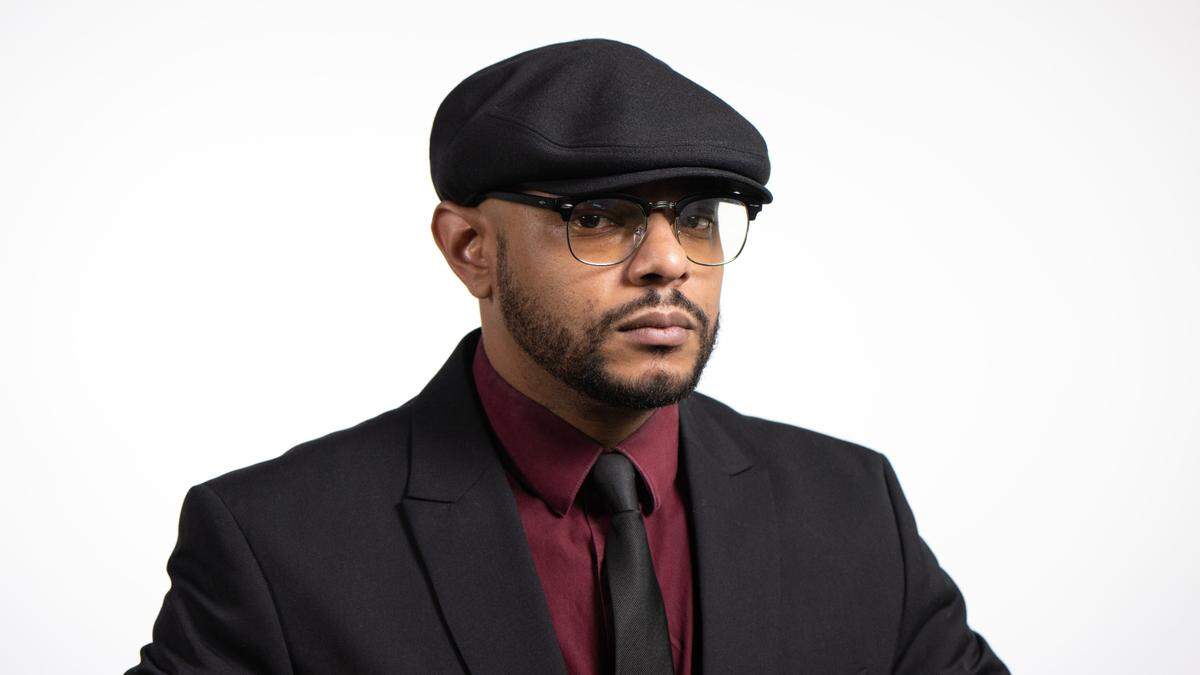
Third generation KC mortician keeps 70-year-old family legacy alive
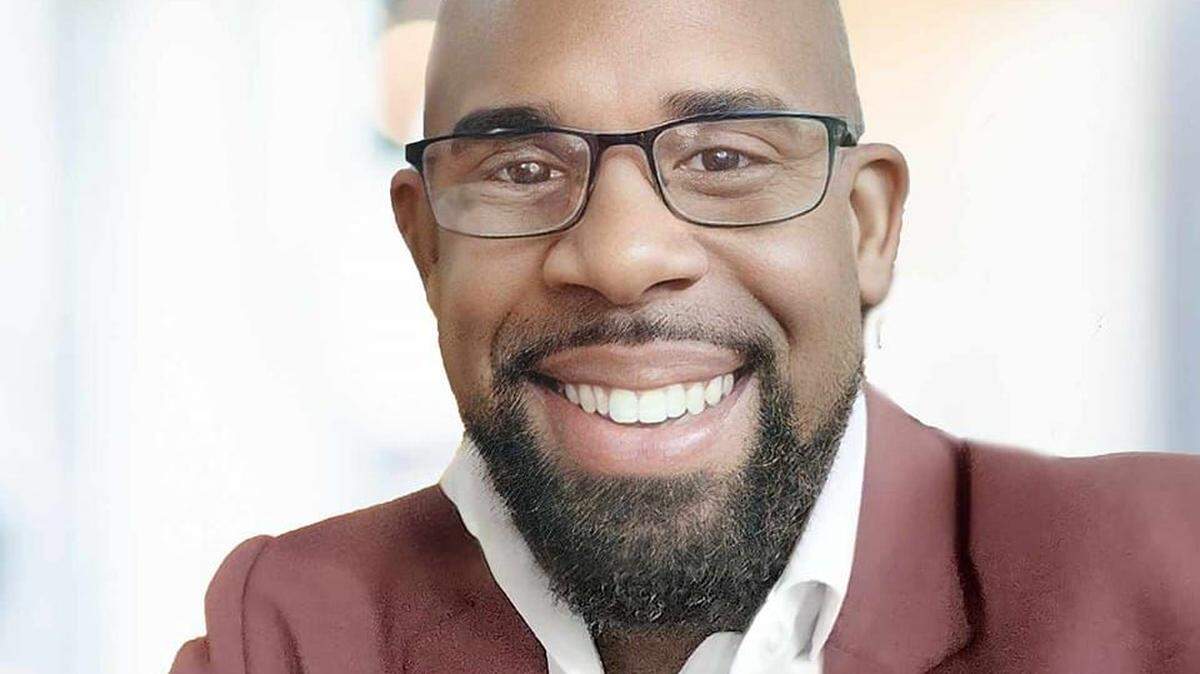
Larnell Jones grew up in a family that for three generations has tended to the funeral needs of Kansas City for 70 years. As a child he watched his family help residents deal with the tough process of laying their loved ones to rest. Though he moved to Oklahoma and pursued a career in healthcare, he eventually came back to work in the family business.
Since 2016 Jones has held the position of mortician and funeral director at Lawrence A. Jones and Sons Funeral Home. His years working in the funeral home business, preparing bodies for viewings by the families and friends, and for burial, have deeply impacted the way he views life and death. He said it has guided the way he lives his own life, making every moment count.
Jones sat down with Kansas City Star culture and identity reporter J.M. Banks to talk about his childhood in a funeral home, transitioning from healthcare into funerals, the embalming of bodies and the job of helping families grieve.
Banks - Can you begin by telling me what it was like growing up in a funeral home?
Jones - I am a third generation licensed mortician and funeral director and I was born here in Kansas City. I didn’t think anything was odd about it because it was just the business my family was raised in. I can remember as a kid when a pet died I was the one doing the service for the animal in the backyard. I didn’t know then that I would go into the business but I just knew that stuff from watching.
I actually lived here up until my teenage years and then we moved down to Tulsa, Oklahoma. I grew up there partly so I didn’t get what I call the everyday experience of growing up in the funeral home like my father, uncles and aunts, but whenever we would come back to town to visit, we were always at the funeral home. So I definitely got my first experiences in the business during those younger years during trips back here.
Did you always anticipate going into the funeral service business like your father?
Interestingly enough, I did not. My background is actually in healthcare and I ended up completing undergraduate at the University of Central Oklahoma. I studied social biology and planned on going to medical school to be a doctor. I ended up working as a patient-care technician and I worked in that field for about 14 to 15 years then returned here back in January 2017 to work at the family business.
How did the funeral home start?
My grandparents founded this funeral home 70 years ago. My grandfather basically started working in a funeral home at the age of 14. He would clean the mortuary and developed this knack for funeral services. So, when kids were playing he was doing that. He would say the teacher would ask the kids what they wanted to be when they grow up and they would say doctor or lawyer and he would say he would own a funeral home.
Historically, the Watkins Heritage Chapel is the oldest Black owned funeral home in the greater Kansas City area and we are the second. We have had the opportunity to bury a lot of individuals within the community from all walks of life. It is definitely a humbling experience to know we have been in the community this long. We always say that it is a privilege to serve the families of the people in the community while they go through one of the hardest times people go through.
Can you tell me about the role that funeral homes have played in the Black community historically?
It is insurmountable. To be honest with you, throughout the history of our Black community, we have always had our professionals, like the doctors, lawyers or teachers or what have you. But then in that same demographic, you also had your funeral directors. For black people I think the relationship between the community and the Black funeral director is a very longstanding and a very intimate relationship traditionally. Morticians and funeral home directors in the Black community fall somewhere in between men of faith and men of science.
Black funerals have always been different because back in slavery they had to endure so much pain and suffering so the only release they had was the thought of an afterlife. So in a way the Black funeral was a celebratory event that their loved ones suffering was over. Because Black lives were not valued, the community had to pull together to make the home going meaningful.
So as time went on the funeral home was always the staple in the Black community that had to be there to deal with death.
Can you tell me about the daily tasks you perform in your position?
On the mortician side, we take care of the body and do all of the make up and dressing. We inspect the actual body before service and make sure everything is appropriate and presentable. When we receive the body, at that point we perform the process of embalming. Then we groom and apply cosmetics.
The director’s position is a pretty involved position because there is a lot of coordination that is required. We make sure that service goes well and make sure that everything is in place for the family. There is a certain responsibility to ensure every detail is taken care of. So we make sure flowers are set, transport for the family to the service and to the resting place. We put together the obituary, design the programs for the services and call for the necessary documentation needed when someone passes, like the death certificate and burial transit permit that have to be obtained to bury or cremate someone.
Could you walk me through the embalming process and what that entails?
Yes, so embalming is the standard procedure for preserving human remains. When someone comes to us the is body is bathed where we clean the hair and get the orifices cleaned and disinfected. So the process is really to protect the body from decomposing due to the internal natural chemical process. When you die your body does a lot of things internally so we replace the blood and other fluids with embalming chemicals. There is an incision that is made and an insertion of a tube into the right clavicle. The tube is inserted into the carotid artery and that’s how the chemicals make their way through the entire body. The process usually takes about 45 minutes but it also depends on your body size and cause of death which could take a couple hours.
After that we take it to where we call the resting room where the body is kept cool while preparations for the services are being made.
How long did it take for you to get used to working with the bodies of the deceased?
I will say, after witnessing the embalming process the second or third time, I was pretty comfortable with it. I had worked in the healthcare field for years so that really prepared me for going into this field. Even though it is different, it is still the same in a way. Dealing with the body of a deceased person still requires a degree of compassion and respect that you show the remains. Because of those experiences dealing with sick patients and their postmortem care after they have expired.
How has your work in the funeral business shaped your views on life and death?
It has definitely shaped my perspective on life and death. It gives you more of an appreciation and gratitude for each day. It reminds me that you can’t take life for granted and you have to live every moment to the fullest because we just don’t know what can happen. I have seen funerals for all ages and everybody thinks they will have more time. I think I have this way I navigate my life which is to elevate the importance of each moment and find the joy in life no matter what it is. It is all about living a life of purpose to find the greater meaning within.
What is the most challenging aspect of your work as a funeral home director and mortician?
It can really be emotionally challenging. I have been doing this for 15 years now and over a time I guess you become desensitized or maybe I should say you just learn to manage it. I do have those times at the end of the day where I need to take a moment. After I get home I have to reset and refocus to remind myself life is not all death. That is just a facet of my job and when you deal with death so much, deal with the families and their issues, it can get really challenging.
We have to deal with a lot of complicated family dynamics and have to be very skillful with how you navigate their different personalities. It has all just become part of the job for me but I always remember to keep that level of empathy and remember that people are not themselves when they deal with death. They are dealing with the intensity of the discomfort of loss. That gets pretty heavy on people and it is my job to take that on and take it off their plate so they can focus on working through those emotions.
Also there is having to balance being compassionate and caring while also remembering that this is a business. There is a process that we have followed for years and work with families but we can only do so much because this is still a business and we have a financial responsibility to stay afloat.
How do you navigate working continuously with mourning families during their times of grief?
Every situation is different, every family is different so every service will be different in some way. There’s an art to it that you kind of develop over a period of time. I would say it takes a lot of understanding of grief and empathy to have transparent conversations. We have to come together and get everyone’s perspectives and try to help the family develop a service that honors the life of their loved one in a loving way.
What do you think is the most important aspect that a Funeral Home offers the family it serves?
I would say probably the ability to tell someone’s life. To really convey who they were and tell the story of them. We all have different experiences with the person who has passed so we try to capture all of those and honor their life in a way that reflects everyone’s memory of that person.
Do you see the funeral service business changing currently and where do you see it heading in the future?
There is definitely some changes occurring and an evolution happening that I have seen in my time. Mostly I think it stems from social media and you start to see all these different funerals, ranging from old traditions to over the top stuff. People post funerals online and people get an inside look into services that they do not normally see.
We are definitely trying to keep up with the times and figure out ways to grow with the times also. AI is everywhere and I have been seeing it break into the industry with families creating presentations, obituaries, programs and videos using AI. But we will continue to stay engaged and just deliver quality funeral services like we have been doing for the past 70 years, helping families while they are in a difficult period in their life.
For more stories about culture and identity, sign up for our free On The Vine newsletter at http://KansasCity.com/newsletters.
This story was originally published April 9, 2025 at 9:57 AM.