Native American librarian in KC fights for ‘community equalizer’ and tribal needs
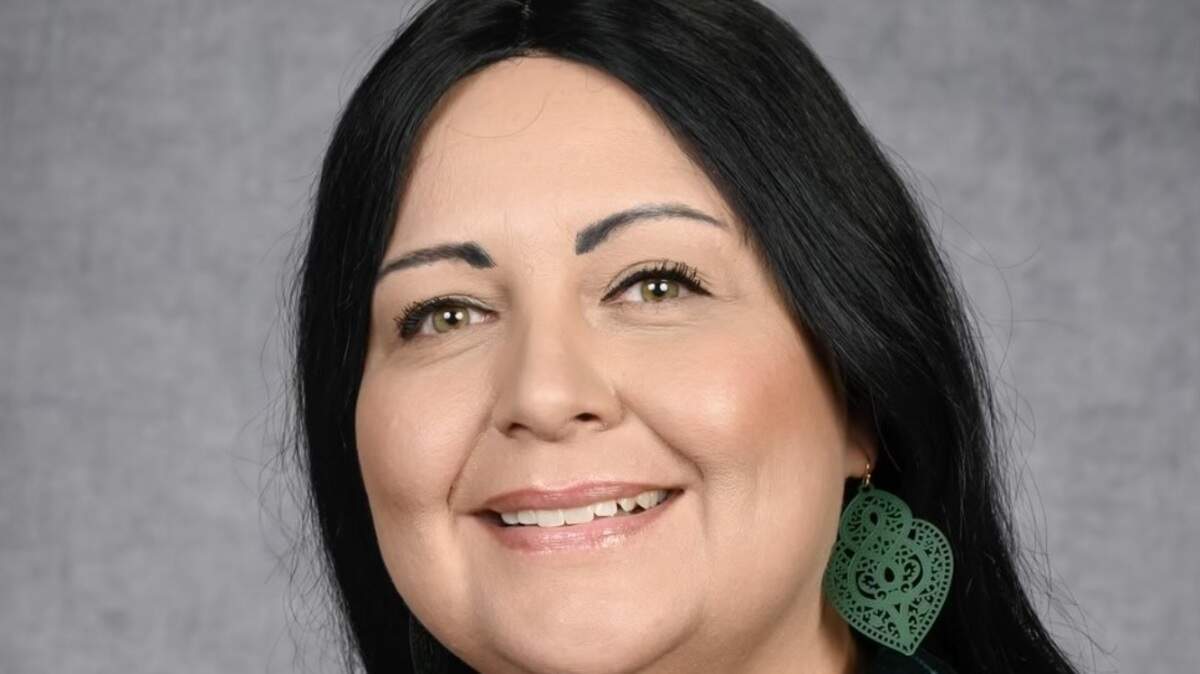
Cindy Hohl, a member of the Santee Sioux Nation, grew up in Nebraska. Her cultural upbringing instilled in her a strong sense of belonging and a deep commitment to helping others.
When Hohl and her family moved from the reservation to Sioux City, Iowa, she encountered a public library for the first time. While she didn’t initially consider a career as a librarian, she soon became a passionate advocate for libraries.
Hohl has been dedicated to ensuring that citizens have access to information throughout her career. She has seamlessly combined her passion for education with her cultural responsibility to serve others.
In addition to her role as a librarian at the Kansas City Public Library, Hohl also serves as president of the American Library Association, representing libraries and librarians nationwide.
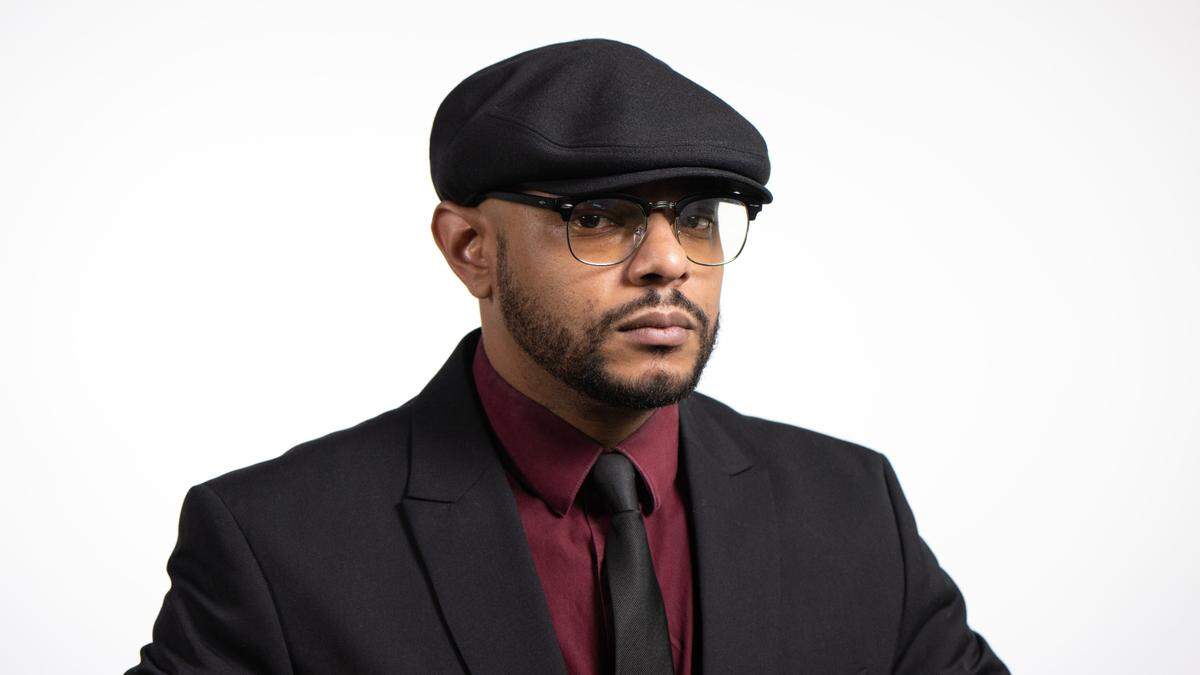
Hohl sat down with Kansas City Star culture and identity reporter J.M. Banks to talk about discovering her love of libraries, using her culture to find purpose, and the recent attacks on libraries by federal legislation.
How has your upbringing in a Native American community influenced the work you do now?
I am from Siouxland. So up in Iowa, Nebraska, South Dakota — that area. I’m a member of the Santee Sioux Nation and our tribe is in Nebraska. Growing up in Siouxland surrounded by my big family, our community and our tribe, I was raised as a traditional Dakota person. We have a lot of values that we hold on to that’s rooted in the respect protocols and so I was raised from a very young age to understand my place in this world and how I am to be in service to the community around me.
Family is very important to us as Indigenous peoples. We know that the Creator put us here with that purpose and for a reason and so everything that we do, we’re very intentional in our approach. We’re raised to think about the impact of our decisions, especially as leaders because we need to always protect our most vulnerable. So we look at how our decisions impact our youth and our elders and also animals and anything else that’s living that needs protection. So growing up in a community where those values are commonplace you’re very cautious and you’re more conservative when you’re talking about natural resources and what is readily available.
We are always centering our humanity, and I was raised to understand that as humans we are all equal and it’s important that we always show respect to one another. Oftentimes when you’re navigating, working and living in mainstream America, the values are more ingrained into how individuals can succeed and certain communities receive more access to resources than others.
When you’re brought up Indigenous, you have your ways of knowing and that knowledge is shared through generations from our elders. We’re raised to understand our place in the world and how we will support one another for a sustainable way of how to take care of the land, how to take care of each other and those ways you don’t always see that in the mainstream.
Can you give me a bit of background information on the Sioux Nation?
Our peoples are originally from Canada, First Nations, and as we migrated and came down through the border, we were in Minnesota. We ended up being exiled from our lands there by President Abraham Lincoln. When that happened, that was very harmful to our people, because it displaced us once again and a lot of people aren’t aware of this story because it’s not always taught in American history.
That is something that our children are all raised to understand, and that’s knowing our place in this world. And again, the Creator put us here for a reason and with a purpose. So it’s important that we teach our youth our history, so that they know and that they teach our language, our history, our heritage, our ways, our culture to our future generations because that is our responsibility.
Did you always imagine yourself having a career working with the library?
No, I did not. When we left the reservation when I was little (age 5), we moved to Sioux City. That’s the first time that I went to a library. My mom took us every Saturday and we go to story time and she let us borrow three books and take those home. I remember what a magical experience that was. I really loved going to the library. It was such a fun and welcoming place. So colorful and really interesting, because I had never seen one before and I didn’t know about programs and story times and checking out books.
So I’ve always had a love of learning and reading. And when I first started working, I worked in casino marketing and that was my first career. When I met my spouse, he was going to library school and he knew what he wanted to do. And he was actually the one who recruited me to work in libraries and that was 10 years after we had met.
I’ve really enjoyed librarianship. I love the work that we do — being in service to the public — and there’s 125,000 libraries in this country. Sometimes people don’t know the true volume and so there’s more libraries than McDonald’s restaurants. And I tell people that because I want them to be aware of how prevalent libraries are and how important libraries are, because sometimes libraries can be taken for granted.
People think that libraries are only there for certain people like youth, attending story times with their families, or maybe students who are researching. But libraries are so much more than that. And so, that’s what I love so much about working in libraries is helping people access accurate information from credible sources. Unfortunately, right now libraries are under attack in this country as we continue to push back against the federal legislation and the executive order that went out two weeks ago targeting the Institute of Museum and Library Services. This is the time for information warriors to rise up together and to stand strong for our libraries.
When you have federal funding that’s being threatened and removed and that state funding is being withdrawn from some states, it’s a challenging time to work in libraries.
Can you tell me about what brought you to Kansas City and the work you do with the Kansas City Public Library?
I’ve lived here for 22 years. I moved down for school and ended up staying here. I have an MBA (Master of Business Administration) from Baker (University), and I attended Friends (University) for an organizational management and leadership bachelor’s degree. I also have a library degree, but I received a master’s of library and information science degree from Wayne State University out of Detroit, Michigan.
Libraries, of course, have a lot of data that we go through, and we’re always looking at different ways that people use the library. We partner with many community service agencies. We always want to make sure that everyone knows the role of the library in the community. We’re very intentional in our approach. We want to make sure that everyone understands what resources are available to them. And so, as we are looking at our policies, we always want to make sure that we have sound language that supports positive patron interactions and experiences at the library.
We believe that the role of the library is a community equalizer. And we’re here to make sure that everyone has access to their local library, both in person and online.
Can you tell me about your role as president of the American Library Association?
As president of the American Library Association, I represent all of our libraries around the country. So that started July 1st of 2024 and it is a three-year term. I’m only the second president from Missouri. The first one was 90 years ago.
I’m always representing libraries and library workers and helping everyone access information. We always do reports on trends, and we have data that shows what activities are happening in libraries. As the official spokesperson, I’m in the media a lot. I’m doing a lot of interviews right now because of the IMS (Information Management System) activity and what’s happening. I’ve been to 30 states and three countries so far. You know, just really trying to do what I can to support the profession and my colleagues.
What are the main challenges facing libraries today?
Federal legislation and state and local legislation. There has been quite a bit of negative activity around libraries, specifically around organized groups, introducing legislation to limit people’s access to materials in library collections. That’s been problematic for a few years now, and anytime there’s attempts at censorship in America we really need to make sure that everyone understands what’s happening, so that we can continue to defend our First Amendment rights and our equal access to information.
We’re seeing primarily that the storylines, the characters, or even the authors themselves that people are targeting Black, Indigenous people of color or those from the LGBTQIA+ community. And so, that’s really challenging here because again, as an Indigenous person, we know that all people are sacred and all human beings have a right to be respected. And so, to me, it’s a nonstarter.
Are there any programs or initiatives you have been able to develop to help tell the Native American story?
Absolutely. I am the past president of the American Indian Library Association, and I was able to work with Sen. (Ben Ray) Lujan on changing the definition of tribal libraries, so that tribal libraries could receive funding from the state. There was a time in this country when analyst funding was allocated to the state library and it was optional whether or not to share that funding with the tribal library community, because some states said, “Well, a tribal library doesn’t meet the definition of a public library.”
That needed to be updated, because that’s not true. A tribe is a public community. A tribe is a group of people like any other neighborhood. And so, we worked to get that language updated, so that we could have equity and be able to receive that funding so that we could also have internet.
I am always doing what I can to help elevate the needs of our tribal communities, and I’m always the first to say and remind people that sovereignty is not negotiable. For those who aren’t familiar with that, there is a federal trust responsibility between the government and our sovereign nations. We will uphold our rights as American citizens to receive access to funding for our community members to be able to thrive. I want to say, we started that in 2019.
What is the role of the librarian today and where do you see the institution headed in the future?
There has never been a better time to be a librarian. We are trusted professionals here to serve everyone and help them find accurate information from credible sources. This is what we are trained to do and we welcome everyone to get a library card, visit their library often and share their love of libraries online.
Americans love their libraries, and we will continue to serve Kansas City for the next 150 years and beyond. There will always be a need for people to access information, and libraries are the hubs of the community. Libraries will continue to support the community by providing literacy-based services and programs. A strong community has a strong library, and we are here to support the public good. Librarians are the helpers of society and we serve everyone in a good way.
For more stories about culture and identity, sign up for our free On The Vine newsletter at http://KansasCity.com/newsletters.
This story was originally published April 5, 2025 at 6:00 AM.