A son with disabilities led ex-journalist to help others like him find lasting jobs
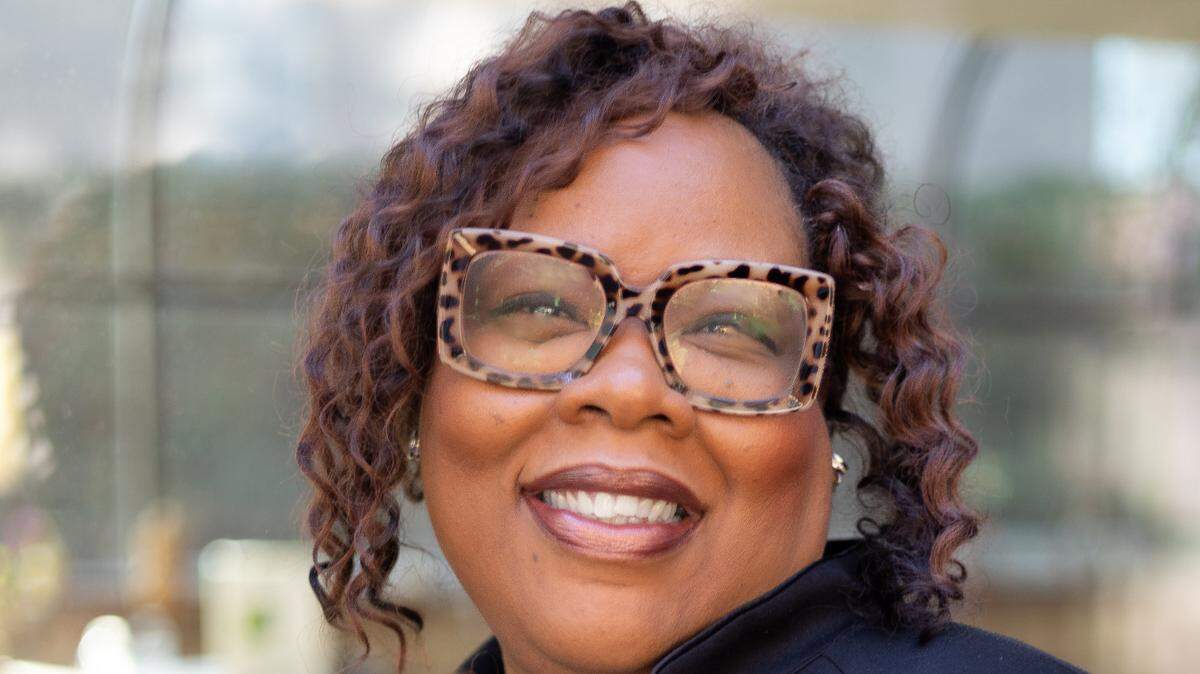
For Kim Riley, one of the most memorable aspects of her childhood in Kansas City was the strong support of her community. As the daughter of a single teen mother, Riley never felt alone or limited in her pursuit of a career. She was always encouraged to follow her writing passion, eventually becoming a journalist and later working with community organizations.
However, when Riley had her son, who was diagnosed with intellectual developmental disabilities, she found that the community and educational system didn’t offer the same level of support as she received. When she talked with other parents of children with disabilities, she realized many of them shared similar experiences. They felt society had written their children off, with little expectation for them to ever secure meaningful employment.
Motivated by these stories, Riley founded the Transition Academy. This organization collaborates with the Kansas City Public School District and public charter schools to give students with disabilities the training, resources, and opportunities they need to find a job.
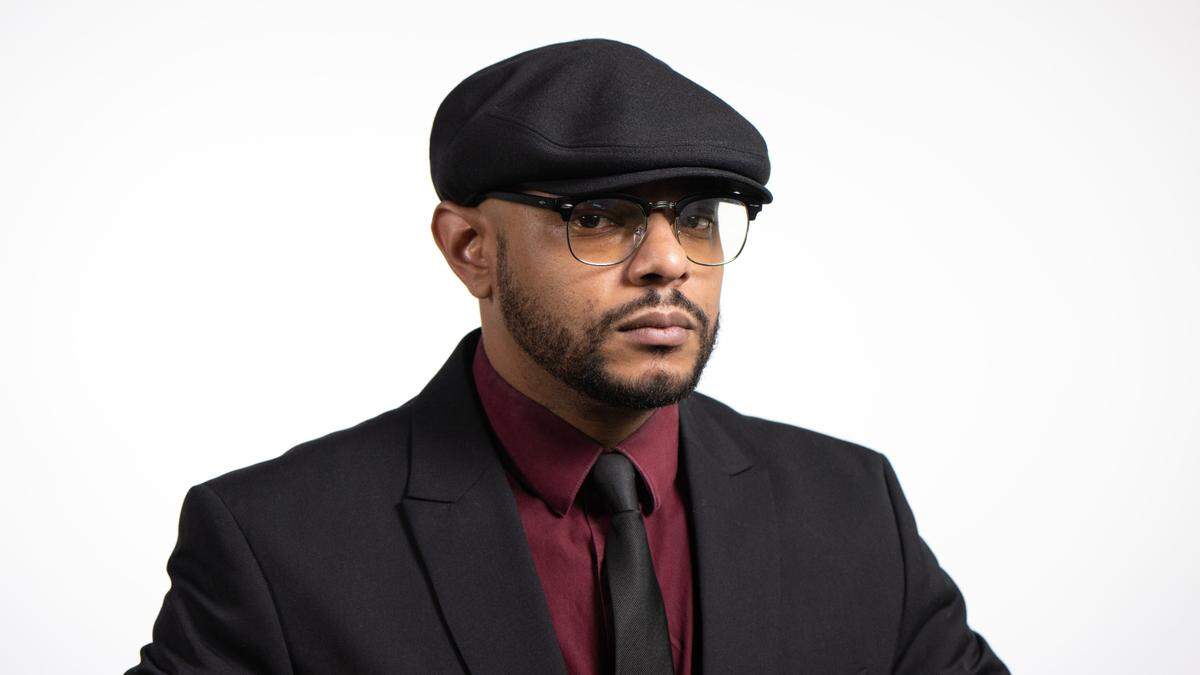
Recently Riley sat down with The Kansas City Star’s culture and identity reporter, J.M. Banks, to talk about the importance of community support in education, finding ways to connect students who have disabilities with jobs and fighting the misconceptions about people with disabilities in the workplace.
Banks: What experiences did you have in your younger years that influenced your career path?
Riley: I am from Kansas City, born and bred. I was born on the East Side. Ironically, I was talking to Mayor Lucas’s mom, and we both stayed in the same exact apartments at Parade Park at the same time. I was like Kansas City is so small, me and my mayor actually lived in the same apartments.
My mom was a single parent and a teen mom. Even though it may have appeared that the odds were against me, I never felt like that. The community really took care of me. My mom was an avid reader and she passed that love of reading and news on to me. I went to Mizzou (University of Missouri) where I got my bachelor’s (degree) in journalism. Later I got my executive MBA at UMKC (University of Missouri-Kansas City).
Initially I became a reporter in Jackson, Michigan. And then I came back and I just realized I didn’t want to report on the action, I wanted to be a part of the action about making changes for the best. That led me to an internship with United Way and then that led to work at Swope Health Services, where I did community relations and then I ended up spending like 20 plus years in Community relations and community engagement.
At what point in your life did your focus shift to working with students with disabilities?
I had a son, he is a young adult now, who has intellectual developmental disabilities. When I was raising my son, I just kept saying where are the systems that support youth with disabilities? Why are they just kind of left on their own to sink or swim after high school?
I just kept thinking of how everyone looked at my talent and my abilities and knew that I was a great writer and great communicator. I was always given opportunities to write. I was given an after school job at The Star when I was in high school and I was always kind of put in different essay contests. Everyone focused on my talents instead of my challenges and nobody said oh you are bad at math so you are useless.
When my son came along, it just seems like it was the opposite. I felt as if they only saw his challenges and not his abilities. I talked to other families and realized we were in the same boat and so I decided to really create the experience I wish he had when he was in high school.
Can you tell me about the work the Transitions Academy does with youths with disabilities?
So what we do is provide hands-on opportunities for these youths to test drive different career options. We go in the classroom and we do assessments like learning styles and personality style inventory. We also bring different people from business and industry to talk with students about their work and to lead students in hands-on job training activities.
We take students out at different job training sites so they can roll up their sleeves and get their hands dirty and explore different job options so that they can make informed choices about what they want to do after school.
I basically decided to create the solution I wish was in place when he (her son) was in high school.
We were officially organized in 2019. We are in Kansas City Public Schools to offer real-world learning, job training and preparation for their students and we support charter students as well. We are committed to being real world learning providers for students with disabilities in the urban core.
What would you say the core goals of your organization are?
Our goals are to make sure that students with disabilities leave high school and they seamlessly transition into the workforce and they are successful, and prosperous, and happy in their careers. Currently we have about 50 students in Kansas City Public Schools and charter schools. All together we have served, I believe, 434 students.
How do you think you measure the success of the program in helping students with disability finding meaningful employment?
We have a number of metrics, a kind of key feature that we do is we try to ensure that our students have jobs while they’re in school, at least a summer job. Because of course, all of the research shows that when students are employed while they’re enrolled in high school, their post-high school career options are infinitely higher than those not employed while they’re in school.
Are there any particular challenges you’ve encountered in matching youths with disabilities to employers?
There are a number of challenges. Sometimes it is with employers who may be hesitant to hire our youth. We work with a lot of disability employment providers and we work with vocational rehabilitation services.
But sometimes our parents, they’re a little hesitant. I have heard plenty of times that ‘they (the youth) are not ready.”
A lot of times we work with teachers to talk to parents about the benefits of their children working while they are in school and convincing them that you do not want your child to finish high school with zero work experience. You don’t want them to be in a position where you have to quit your job and stay at home.
How do you ensure that your approach is inclusive and accessible to all types of disabilities?
We specialize in the youth who have the highest levels of disengagement after high school — the ones who have the highest unemployment rates — autism, intellectual developmental disabilities, and so on. We work with our disability employment provider partners to get them properly placed.
What gaps do you see in the current employment landscape for youth with disabilities?
I think mainly the gap that we see is the high school preparation gap with just being able to connect our children to business and industry to have hands-on opportunities and real world opportunities.
It’s just giving them a chance to even explore what they’re interested in and how their skills and interests align with the career path.
How do you collaborate with companies or organizations to create job opportunities for the youths you serve?
We have our KC DiversAbility College and Career Fair. This will be our fourth annual on April 4th at the (Ewing Marion) Kauffman Foundation Conference Center. We tap into our network of vendors who come to the fair and rely on them to connect with us so we can all push forward together.Our disability employment providers, like Farmer’s House, come every year and they all recruit for their programs. This is the largest employment fair for people with disabilities in the metro. We have colleges there, we have just a ton of other resources for this population.
Does government policy play any role in supporting your mission?
Yes. As part of our work, we think of the three elements, kind of like a three legged stool, for youth with disabilities to leave high school and to be successful in the workforce. The K-12 education system has to do its part to prepare them for the workforce. Then there are different benefits packages such as job coaches who can work alongside you. Some provide one-on-one support and training for those youth who may need quite a bit of support. They also cover, to an extent, transportation or equipment.
So let’s say a youth wanted to be a barber, then government benefits, specifically vocational rehab, pay for his barber equipment or if they need a uniform they pay for that. So they pay for a lot of things but they’re extremely difficult to navigate and access.
Then the third is workforce and employers. Right now those three legs of the stool are in place but instead of working together in a coordinated fashion, they’re actually working together independently instead of integrated and that leads to a broken stool or broken system.
What kind of skills and training do you provide students to help them succeed in the job market?
We do different assessments on learning styles. We find out if they are an auditory, tactical, hands-on or a visual learner. We also do personality style inventories and we do some other workforce type of assessments. Many of our students have shared that they really want to be trained in entrepreneurship so we’re looking at providing entrepreneurship training for them.
Are there any misconceptions about youths with disabilities entering the workforce that you hope to challenge?
Absolutely, we want to challenge the notion that they are unqualified. We definitely wanted to challenge that they are going to be burdensome. They love being connected, they love being apart of a team and love being successful. If you look at a lot of the data you don’t hardly have any turnover when you hire someone with a disability. They get on in that workforce and they stay on that job.
What are your organization’s plans for the future?
Our plan for the future is to expand what we are doing. So right now we are what you would call an in-school provider. So we do all of our work with Kansas City Public Schools and charter schools in the classroom during the school day.
We’re finding that it’s kind of like students are taking an elective class when they’re working with us and we’re finding that they need way more support than an elective class.
We want to make sure that they are prepared and that they leave high school, go to the job of their choice and are successful. So we have made the decision to explore the feasibility of launching a real world learning school with an entrepreneurship track for 18 to 21 year old students with disabilities. In Missouri, students with disabilities can stay in school until they’re 21.
Many of the suburbs have 18 to 21 programs, Lee’s Summit and Blue Springs for example. There is not an 18 to 21 program in the central city. Kauffman awarded us funding to explore the feasibility of meeting that gap and offering that opportunity for youth with disabilities.
For more stories about culture and identity sign up for our free On The Vine newsletter at http://KansasCity.com/newsletters.