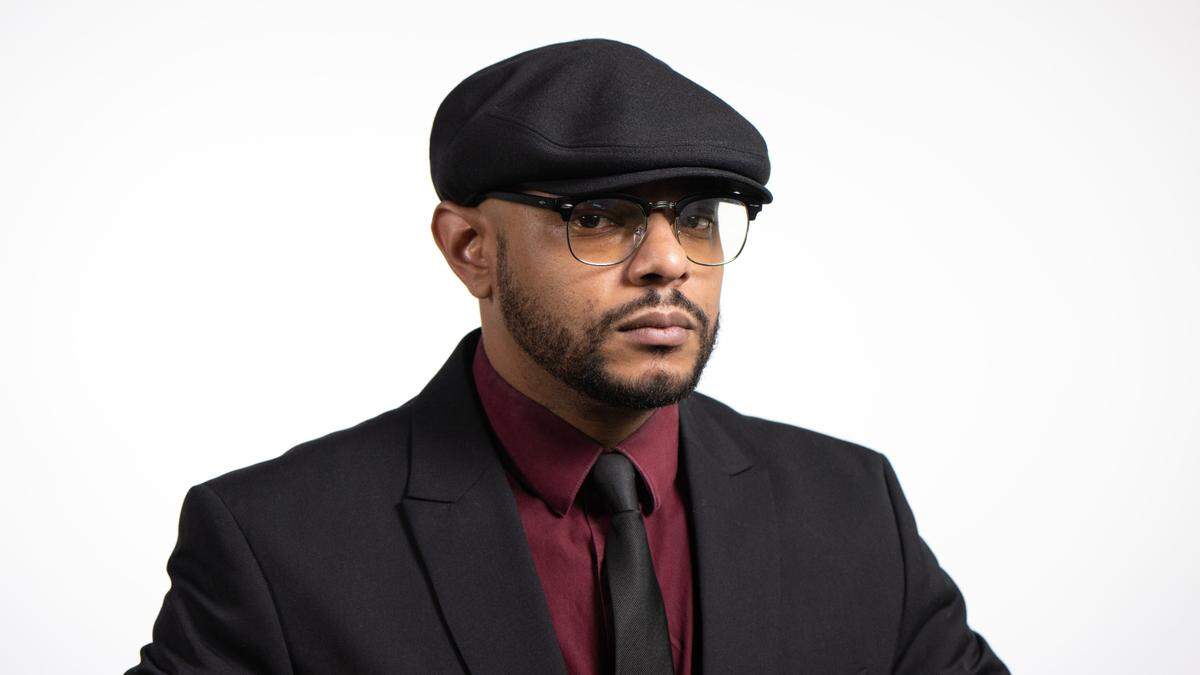
He gives young KC hoops players ‘a head start’ in STEM — in case the pros don’t call
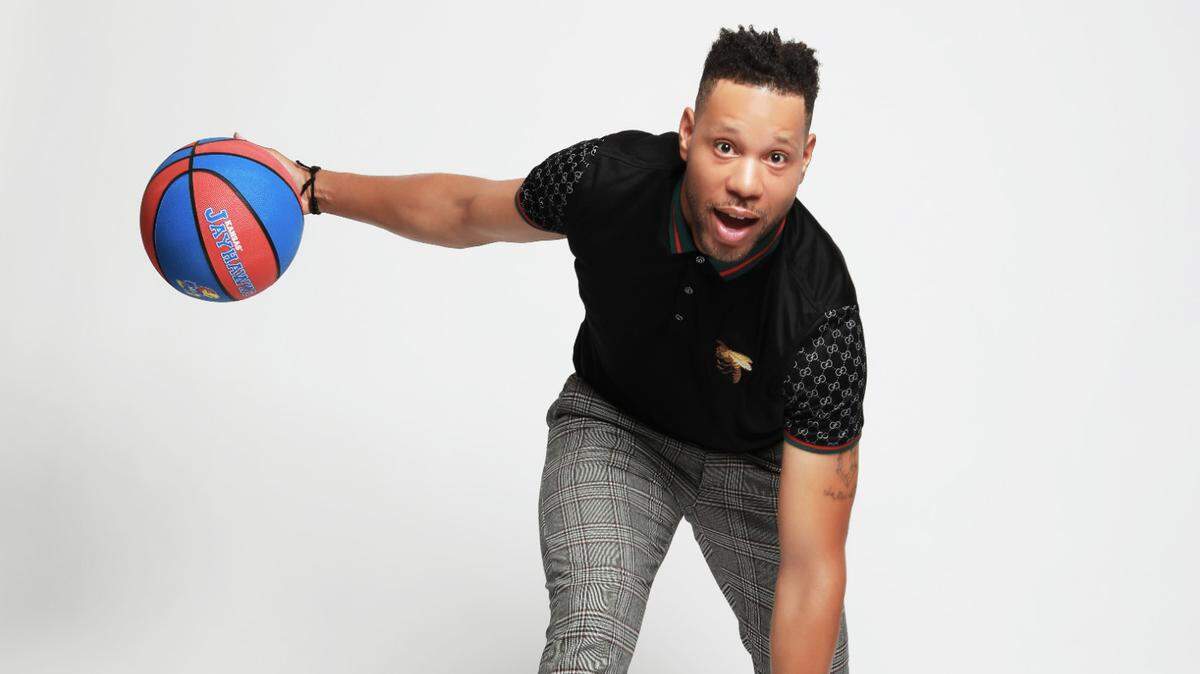
When DeMarcus Weeks arrived in Kansas City from Memphis, Tennessee to play for the University of Missouri-Kansas City’s basketball team, he was confident that his future highs would play out on the court. After becoming a father and leaving college, Weeks was drafted into the NBA minor league and spent several years playing ball professionally overseas.
After his athletic career ended and Weeks returned to Kansas City he was uncertain about what his next steps would be. He took time to explore his interests beyond sports and discovered a fascination with solar energy. This newfound passion lead him back to school for further education in the field. With a college diploma in hand, Weeks secured a job as a traveling technician, repairing wind turbines and installing solar panels.
Inspired by this experience and knowing that few minorities are exposed to such career possibilities, Weeks, 37, combined his love for basketball and his interest in solar energy to create the U-Sport Academy. The academy is a nonprofit organization that offers high-school-age student-athletes both sports coaching and training in solar and wind energy.
Recently Weeks sat down with The Kansas City Star’s culture and identity reporter, J.M. Banks to talk about finding acceptance through sports, being unsure about his future after sports and exposing student athletes to new career avenues, a backup plan in case they don’t make it to the big leagues.
Banks: Can you tell me about your childhood and what led you into sports as a youth?
Weeks: I am originally from Memphis and my mom was a nurse who always instilled helping people into my life. I came from a big family that was involved in sports and very competitive, so I naturally fell into sports. Sports was an outlet for me to express myself and be able to make connections.
Being Black with lighter skin meant kind of getting teased, so tapping into sports created the self-confidence and helped me develop a sense of self-value. I learned young people tend to want to be around you when you are good at something and sports just felt like where I belonged.
I actually started playing football first, and in middle school, a friend of mine was like hey you should go out for the basketball team. I wasn’t that good at basketball starting out but I stuck with it and I had coaches and mentors that worked with me. Then I was lucky enough to start getting invited to these camps where I got more resources and started getting better. I started thinking that basketball could be a way out for me and I ended up getting recruited to play. I went into college with the plan to play professionally.
Can you tell me about your experience as a college athlete and how that impacted the work you wanted to do with youth athletes?
I came here (Kansas City) to attend UMKC and majored in business management but I did not graduate because of economic reasons and I had my son.
I got drafted in 2009 in the D-League and wanted to pursue a career in basketball. I ended up playing in Spain for five years. I got a chance to get out there and chase my dreams. It was not easy (becoming a pro athlete) and there were a lot of adversities that were faced. I had no regrets about leaving school. After that I came back here because I really love Kansas City and this city made me a . man. This is where I had my son.
There was just a connection here. I felt like I always saw KC supporting its small businesses, which I really loved because I wanted to go into entrepreneurship but wasn’t sure of what at the time. I don’t think a lot of student-athletes do have a Plan B. Everybody thinks they are going to go pro and even if you do who is to say you won’t get hurt within your first two seasons? Athletes only have a short window for doing it but I think most don’t imagine not making it.
I always wanted to do work with the youth but didn’t know what. A lot of the times athletes start a sports team but I wanted to do something different. I wanted to create something that was going to help them think outside the box and see an area they may not have been exposed to.
How did you get introduced to STEM and why did you choose that as something you wanted to teach young athletes about?
I did end up going back and getting my associate’s degree. I always thought I would just get a job at some company and move up the corporate ladder. I actually accidentally fell into the work I do as a solar panel tech. I was always fascinated with technology and started doing research on Tesla, which at the time was doing some new things with solar energy.
I started doing research into different fields within energy and I ended up going to school for about a year to learn more about solar and wind energy. When I finished the course the pandemic happened. So I ended up getting a job in the field like immediately because companies like GE (General Electric) really were in need for people who were able to come and fix these windmills. So I ended up being really good at it and I really liked it. I started getting government contracts to do work.
When I was on the road traveling as a windmill technician I had a lot of time to think about how few minorities I saw while I was in these spaces. I began to think about how to get more minority youth in STEM and had the idea to blend solar energy with the youth basketball.
Tell me about your organization and how you merge athletics with STEM?
I started in 2016. We have served over 1,000 kids from ages seven to 17. It is open to students from all across the metro. We usually try to meet twice a month and used to have two locations we met at, one in Overland Park and one Downtown.
I have put on 11 basketball camps for the youth in the past eight years. I bring them in with the athletic aspect because a lot of kids aren’t lucky enough to have access to basketball camps or workshops. We work out and work on their game but we also spend half of the time talking about STEM and I teach them about the energy industry, installing solar panels and fixing wind turbines. They actually walk away with a wide variety of skills and knowledge about new energies.
So we bring them in with the sports aspect but then expose them to this field they may never of had any idea of once we have them.
How do you feel your organizations will positively impact the community?
I want to open doors for these kids that I didn’t know existed. I learned about this type of work later in life and was lucky enough to be able to get work right away. These kids, starting now gives them a head start. We want to give the kids the support to think beyond sports.
With solar and wind energy you can change the course of a kid’s life by giving them the tools they may not be able to get to under normal circumstances. Also it means these kids will be bringing this knowledge back to their communities and we will be seeing it more in areas that were under-exposed to the benefits of wind and solar energy.
We want to bring about economic growth within the community by teaching these kids that there are other opportunities for you outside of sports if it doesn’t all happen like you planned.
What are your organizations goals for the future?
We started a project in KCK (Kansas City, Kansas) where we are installing solar panels on a basketball court over there. We are still getting things together, but it’s the first of what I hope will be a series of solar-powered basketball courts around the metro.
We want to continue to inspire more student athletes to get into the STEM trades while they are preparing for their future in sports too.
We want to continue being innovative and grow the organization. I have done international work in the past with my youth camps while I was overseas and would love to see this implemented over in some other places that could benefit from solar power. We want to continue helping kids to find a passion for STEM while also supporting them as athletes and players.
For more stories about culture and identity sign up for our free On The Vine newsletter at http://KansasCity.com/newsletters.