
How World Cup 2026 officials are prepping for security concerns, in Kansas City and beyond
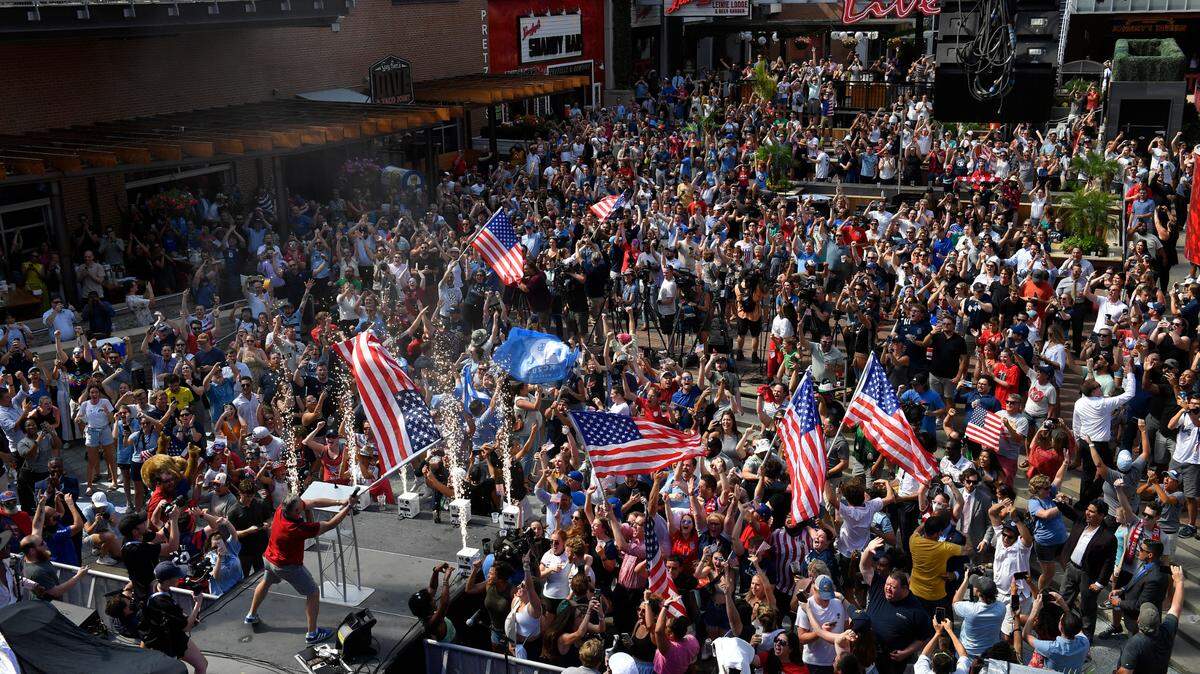
The governing body for international soccer, FIFA, is preparing a new approach to security for the 2026 World Cup, focusing on a combined effort between the three North American host nations and the FIFA organization.
It comes on the heels of security lapses at large-scale events across the U.S., including the Chiefs Super Bowl rally shooting in which at least 24 people were shot and one person was killed Feb. 14, 2024, during a dispute between two groups, marring a day of celebration in Kansas City. Several suspects face criminal charges in that case, and one victim recently filed a civil lawsuit against event organizers. More recently, an attack on New Year’s revelers in New Orleans on Jan. 1 killed 15 people, after a man allegedly drove a truck into the crowd on Bourbon Street and then engaged police in a shootout.
Now, G.B. Jones, chief safety and security officer for one of the biggest sporting events to hit Kansas City and the United States, is spearheading an effort to secure the World Cup that involves partnerships with local government agencies and private agencies in each of the 16 host cities.
Kansas City is one of 11 host sites in the United States.
FIFA, which oversees the global tournament, previously left security functions and event planning to local entities during World Cup years. This, however, will be the first tournament during which the organizing body will instead oversee those processes.
Outside experts are also being brought in to work with local experts. This partnership, Jones said, is a difference-maker because decisions made at a local level can affect the tournament as a whole.
“When it comes to delivery of the tournament, we go to the subject matter experts at each stadium, at each local Fan Fest, and expect them to make the critical decisions that are going to keep people safe on a day in and day out basis,” Jones said.
Jones, a former longtime FBI agent and most recently, a security director for the National Football League, wouldn’t go into details about Kansas City’s security concerns specifically, opting to provide a broad view of the tournament’s security vision.
This approach was chosen, he said, after FIFA officials found identical elements within each host city’s major special event planning strategy. Ultimately, each city agreed to common objectives and strategies to create the foundation for the World Cup security plan, Jones said.
Safety, security and service were Jones’s keywords when outlining his vision. He would not, however, speak to specifics around such issues as how to ensure guns are not brought on site, or how security breaches at other large events are impacting and informing their plans.
He sees this security plan as the foundation for ensuring safety at many of America’s upcoming international sporting events, including the 2028 Summer Olympics in Los Angeles, the 2031 Men’s Rugby World Cup, 2033 Women’s Rugby World Cup and the 2034 Winter Olympics in Salt Lake City.
“The investment that we make in good security policy and good integrated collaboration and collaboration in safety,” Jones said, “will be game changing as we go through the next decade.”
‘What we’ve always done’
Sustaining resources for the entire 40-day tournament is one of the biggest challenges for security for this event, Jones said.
The 2026 World Cup will be the biggest event of its kind, as the bracket expands from 32 teams to 48 teams and from 64 total games to 104 total games.
Communication across all three nations is key, as Jones is adamant that previous special event plans, for events like the Super Bowl, won’t work for host cities as they prepare for international soccer crowds.
“We can’t do what we’ve always done because we’ve always done it that way,” Jones said.
Security will have to measure the risks of each match to assess how many resources are needed. Jones also mentioned having enough public and private security measures to protect all venues would also be a challenge.
It is a challenge that could be helped with funding from the newly formed White House Task Force on the FIFA World Cup 2026, a declaration from President Donald Trump that Jones called a “great win”. The Task Force, which the president will chair, will receive funding and support from the Department of Homeland Security, according to a news release.
“It gives a very clear signal to the departments and agencies at the federal government level that this is important to the President,” Jones said.
Kansas and Missouri have already used government funds to prepare for the World Cup.
Federal funding has been in flux since President Trump took office, but Jones is honed in on prepping three countries to create safe spaces for international soccer.
“I can’t say that we anticipate impediments,” Jones said.
“What keeps me up at night is ensuring that we have the communication structures and ensuring that we’ve got the collaboration and that we’ve got the consistency in our delivery and in our focus to ensure that we can keep this safe and a secure experience for everybody.”
This story was originally published March 11, 2025 at 10:45 AM.