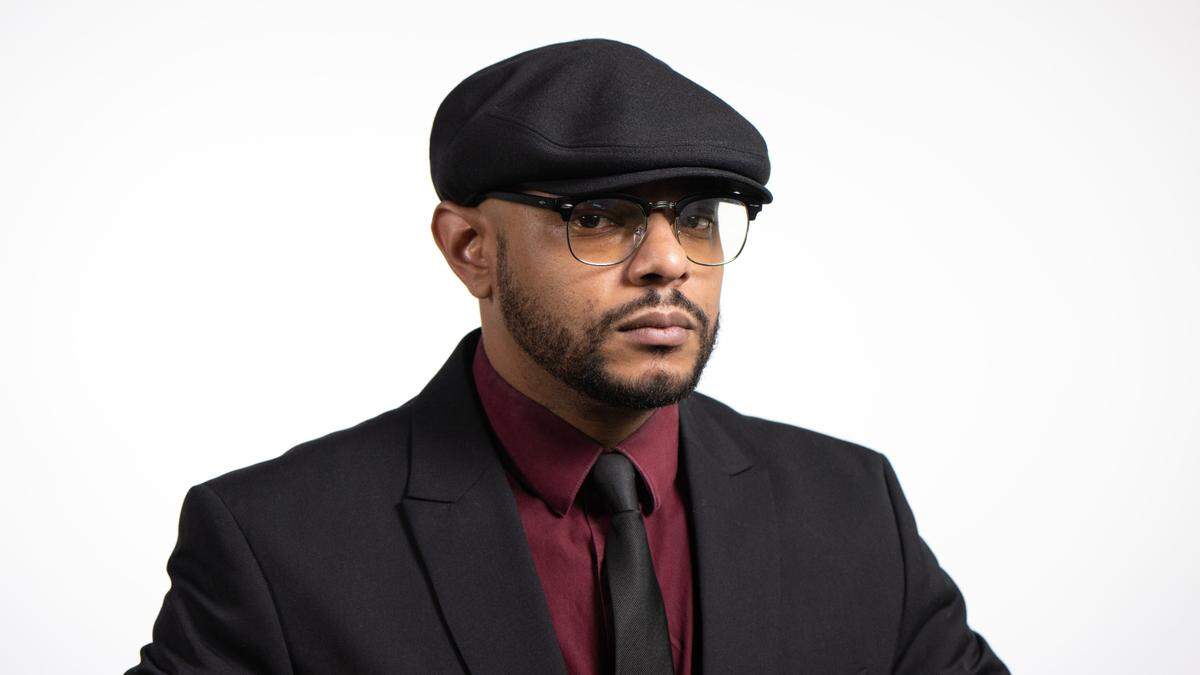
KC lumber yard owner plans to build 500 homes on KC’s East Side within four years
Daniel Edwards grew up immersed in the sights and sounds of construction — the scent of sawdust and the hum of machinery hauling lumber. From the age of five, he regularly accompanied his grandfather, a construction worker, to Albert Tamm Lumber Co. (now known as Eastside Lumber) to pick up supplies.
What started as childhood curiosity laid the foundation for a surprising future.
After graduating from Missouri University of Science and Technology with a degree in architectural engineering, Edwards returned to Kansas City. At that time — a young college graduate — he never imagined he would one day own the very lumber yard that had shaped his youth.
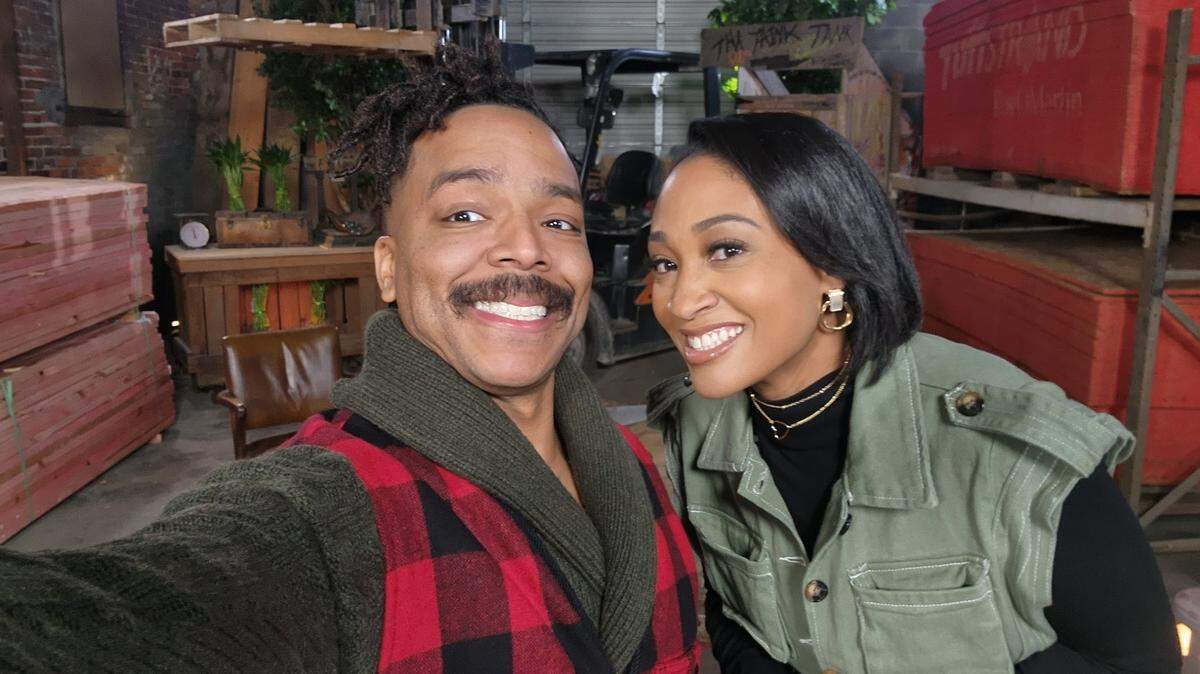
Along his career journey, Edwards became aware of a critical gap in affordable housing options for middle-class families in the urban core of Kansas City. With his wife, Ebony Edwards, as his business partner, he began acquiring land and devised a plan to expand the lumber yard into a processing facility capable of manufacturing housing materials, or what is more commonly known as prefabricated homes using quality materials and then constructing them on Kansas City’s East Side.
Inspired by the housing boom Kansas City experienced after the Great Depression, Edwards hopes to create affordable homes by controlling the materials and the production process and making the houses he builds more affordable for local residents.
Recently Edwards sat down with The Kansas City Star’s culture and identity reporter, J.M. Banks to talk about being one of the few Black lumber yard owners, the Kansas City housing market and his mission to create more homes in the metro.
Banks: Can you begin by telling me about your early life and upbringing?
Edwards: I’ve been in this field all my life. My grandpa was a builder and moved here from Arkansas. He moved to the East Side and he grew up building new construction homes, rehabbing and taking care of properties on the East Side.
I would just hop in the truck with him every day and would end up heading up to the Tamm Lumber Yard. We would go there every day just to reload more product and then we would hang out there. That was pretty much all I remember from the time I was five or six years old to graduating high school. He told me to go into architectural engineering and I did that.
I went to Rolla, came back home and wanted to know what makes the East Side so different than every other place in Kansas City. I remember I wanted to run for office back in the day and somebody came up to me and told me that there were plenty of Black people in politics but how many Black people were there in real estate development? That really got me thinking and I wanted to do something.
Can you tell me about your work?
What really separates the East Side from a lot of these other areas is they have developers and they have people with capital who understand how to do projects and get deals done.
So we went in 2016 and started buying land and currently have around 25 acres. We went to Albert Tamm, who was the owner of Tamm Lumber and we made a deal and I bought the lumber yard in 2020.
The business is called Robert Wiley Material Supply but we do business as Eastside Lumber. It is a huge turn of events being the guy purchasing to being the guy who owned the company.
So now that we understand how to run a lumber yard we found that the biggest opportunity or hole in the market is that Kansas City needs a minimum 60,000 homes and we build less than 112 homes in the urban core a year in new construction as a city. So we were like what if we can take our lumber yard and turn it into a manufacturing facility for houses? We might have the potential to be the largest home builder in Kansas City and then we’ll also be the largest material supplier in KC by just building out our own neighborhood.
Are there many Black owned lumber yards in Kansas City?
I can say through my research I am one of probably five Black-owned lumber yards in the country. The business is usually generational and passed down through the family. It is hugely capital intensive and some months I am moving $1 million in material out of the door. It’s also expensive to run and operate. We walk into places and people see that we own a lumber yard and they are quite shocked.
What is your plan for getting more homes built on Kansas City’s East Side?
Right now we are pivoting all of our operations over to becoming a prefab manufacturer and they call it off site manufacturing for onsite construction. So that means that we will build all the walls, all the floors, all the roof panels, everything it takes to build a home interior, exterior. Then we transport them and we would erect it on the job site. So the construction process goes from being a six-week installation to being a two day install. We increase the quality because we control the supply chain so we can purchase better materials.
Have you begun building and if not when do you plan to start?
We completed our first demonstration home so now that we’ve done that, we’re moving to this new model of just focusing fully on how do we automate and manufacture this high quality product. We are raising a $50 million fund and we got our first $10 million in commitments secured. We are working to close April 30th so our goal is to get the first 500 homes produced in the first four years.
What are the challenges that you face in your career?
People think because we’re on the East Side, we’re doing housing for a bunch of poor people. It’s hard to raise capital and cut through the noise to just focusing on we just need quality homes on the East Side versus just more homes to warehouse poor people. So the biggest misconception that we have is that just because of the location we want to build at, people automatically think that it’s not an economically viable business model and that’s the biggest challenge that we’ve had to overcome.
How do you feel your work impacts the community around you?
So ideally our goal is to build 20,000 homes on the East Side over the next 10 to 15 years. We’re actually looking at this more as a housing economic engine versus it just being people need homes. We’re trying to figure out how to turn the production of housing into a business model versus just being another place to live.
Kansas City built 77,000 homes between 1932 to 1964, right after the Great Depression. Less than 1% of those homes went to Black communities, so that also means that less than 1% of the economic development went to Black communities. We’re just trying to go back and duplicate the same model that happened back in 1932 to 1964 of just building a ton of homes year after year. Housing in the urban core creates jobs, stable families and all that stuff starts to help the school systems and other institutions.
What is the most fulfilling part of your work?
I get to do this with my wife and she is my business partner. I get to pass it down generations to my kids and keep it within the family. The success of the East Side is a big thing as far as development and economics.
Do you have a personal motto or philosophy that guides you?
God dam action. So that is D-A-M and not D-A-M-N. That comes from a biblical story of God damning up the Jordan River for the children of Israel to walk across on dry ground. Based on the simple belief that Joshua had to help his people get what God promised them, so God dam action for me is I just have to have enough faith to believe that what I’m doing is what God has told me to go do.
What are your organization’s goals for the future?
We would love Eastside Lumbers to become a manufacturing and production district. I also want to see us do what they call mass timber, which is taking pieces of wood and gluing them together into these bigger structures. I think by year 10 to try to get up to maybe 15,000 homes
What advice would you give to someone who is looking to follow the same career path as yourself?
I would say collaborate versus compete. I have something that I can offer and I can’t do all this work alone so you will need to find people to partner with and collaborate.
For more stories about culture and identity sign up for our free On The Vine newsletter at http://KansasCity.com/newsletters.