America’s longest Black-owned radio station celebrates 75 years in Kansas City
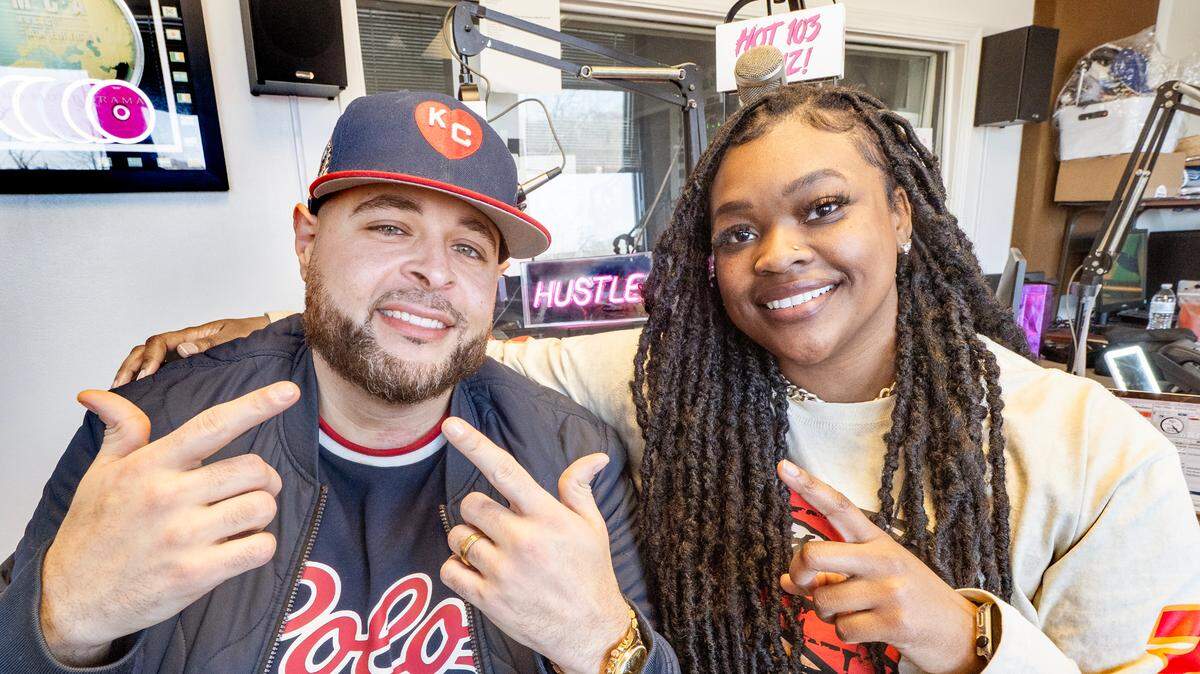
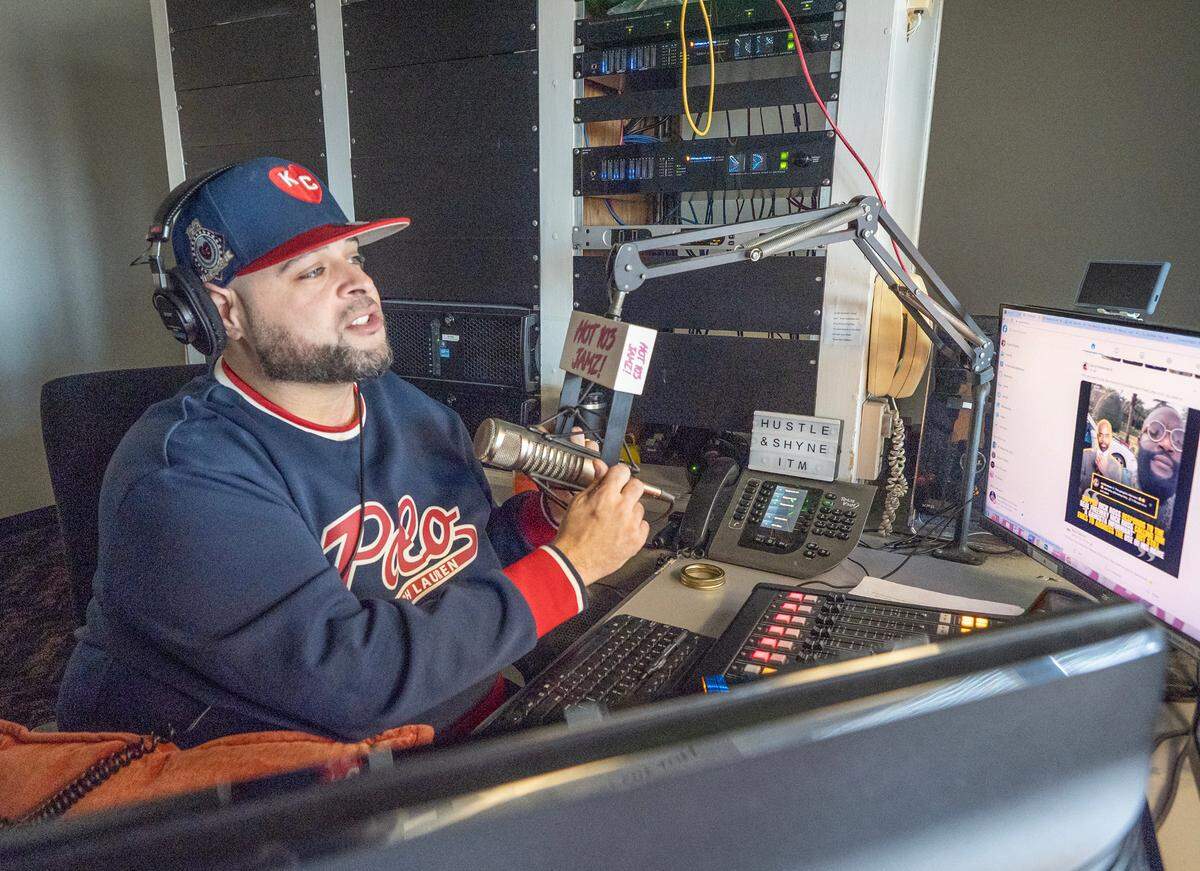
By the time the sun rises each weekday morning, radio host Brian Brooks is already in the studio at KPRS Radio Station, preparing to greet Kansas City over the airwaves, a routine he’s maintained for over two decades.
Known to his listeners as Brian B. Shynin’, Brooks sets up his soundboard, adjusts his microphone, and arranges his playlist, ready to continue the longstanding tradition of Black radio that KPRS has upheld for 75 years.
Alongside his co-host, Deona Perry, who is known on air as Deona Hustle, the duo hosts the “Hustle and Shyne in The Morning,” show on “Hot 103 Jamz.” Despite the early start they maintain a deep sense of duty to honor the station’s legacy, ensuring that, even if they are not feeling their best some mornings, the daily goal is to always deliver a high-quality show.
“We come in here every morning and we are the first voice a lot of people hear,” said Brooks. “So even if I am tired, or sick, I still have to come in here and give it everything no matter what.”
Together, Brooks and Perry, are part of a proud tradition of radio personalities at this Kansas City station who have built lasting connections with their audience. It’s that relationship that has allowed KPRS to, over the many years, maintain its identity as, “The People’s Radio Station.”
This year’s 75th anniversary marks a significant milestone for KPRS as the oldest continuously Black-owned radio station in the United States.
For decades the station has played a pivotal role in shaping the local community, fostering talented personalities, and promoting initiatives that have contributed to the growth and evolution of Kansas City.
How it started
The Carter Broadcast Group, which owns the KPRS station, has been run by the Carter family since its inception. President and CEO, Mike Carter, was raised in the station and got and early start in the business.
At the age of 8, Carter joined the radio team with his own show. From then on, he has carried the legacy and traditions of his family.
“My grandfather was an engineer by trade,” Carter said, during a recent interview with The Star. “He built his own radio when he was in college and in 1948 he wrote an article to Radio and Records about the lack of Black owned radio stations.”
His grandfather was contacted by Alf Landon, the then governor of Kansas, who donated an old 500-watt transmitter to Carter. With Landon’s help, KPRS 1590 AM aired for the first time in 1950. Carter Broadcast still has that AM channel airing gospel music, and has broadcasts on several other local channels, including Gospel 1590/106.1 FM, and RNB 106.9 FM/103.3 HD2.
KPRS has played a crucial role in not only promoting Black music genres such as gospel, R&B, jazz, and hip-hop, but it has also served as a platform for social justice.
Despite overcoming numerous challenges over the years, the station has continued to serve as a source of empowerment for Kansas City’s Black community. Its history is deeply connected to the city’s media landscape and its efforts to promote social change, from the Civil Rights era of the 1950’s and 1960s to the Black Lives Matter movement in recent years.
A year after the first broadcast, KPRS moved into its first studio home established in 1951 by Andrew “Skip” Carter. It was a big deal for Black listeners in Kansas City to have a daytime AM station alternative to the white owned radio stations. KPRS played music by Black artists and talked about issues of particular interest to members of Black families, educators, business owners and more.
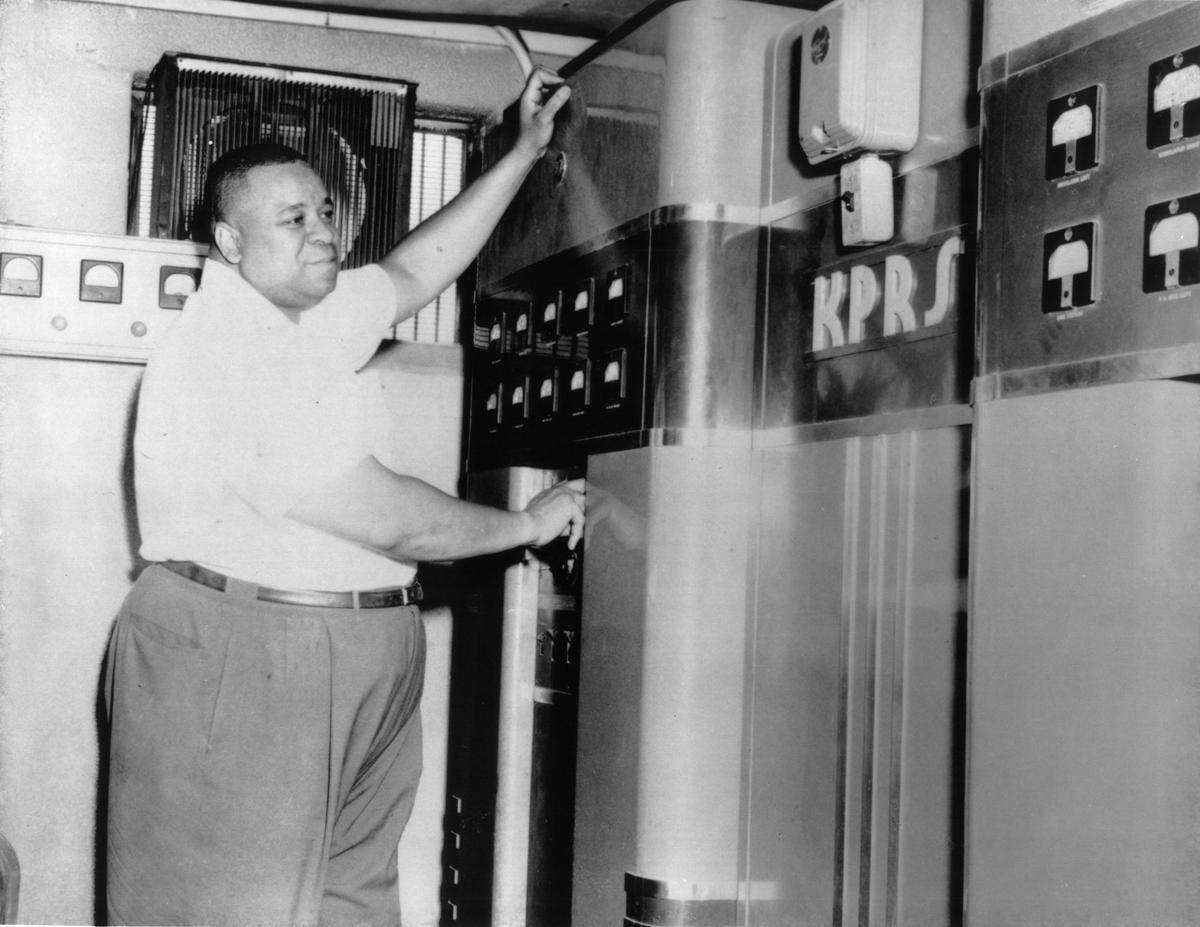
Carter remembers the many stories his grandfather would share about the early days of the station and how difficult it was for a Black man to get ahead. That didn’t stop him from continuing to build the community bonds he needed to grow the station.
In 1963 KPRS received its FM radio license and with a consistent lineup of R&B music, quickly gained a loyal following. The station became the destination for community leaders, politicians and preachers looking to get their message out.
“I feel honored to be able to carry on his legacy,” Carter said. “I think the mission has stayed the same and that is to serve the community. Skip started the station to be a voice for the Black community.”
Listeners have stayed loyal, Carter said, and he’s thankful they keep tuning in even when other options are available. He said he believes in the community trust built over the decades and thinks it’s what will push the organization forward over the next 75 years.
A community anchor
Myron Fears, 59, operations managers at Carter Broadcast Group, has been an integral part of the station since 1988.
The first day he walked into the office, which at the time was located in midtown near Crown Center, he was amazed to see a station occupied and run by a majority Black staff. He fell in love right away with not only radio, but KPRS and has dedicated his career to the station and its mission.
Starting as an intern and later transitioning into an on-air personality, Fears, who has been with the station for over 37 years, worked his way up to become a leader, shaping the station’s programming and fostering valuable partnerships with community organizations like The AdHoc Group Against Crime and the Samuel U. Rogers Health Center.
“I think the history of the station is what sets us apart,” said Fears. “This is the first Black owned radio station west of the Mississippi River and we have become an institution for the community, like a church, like a school or a hospital.”
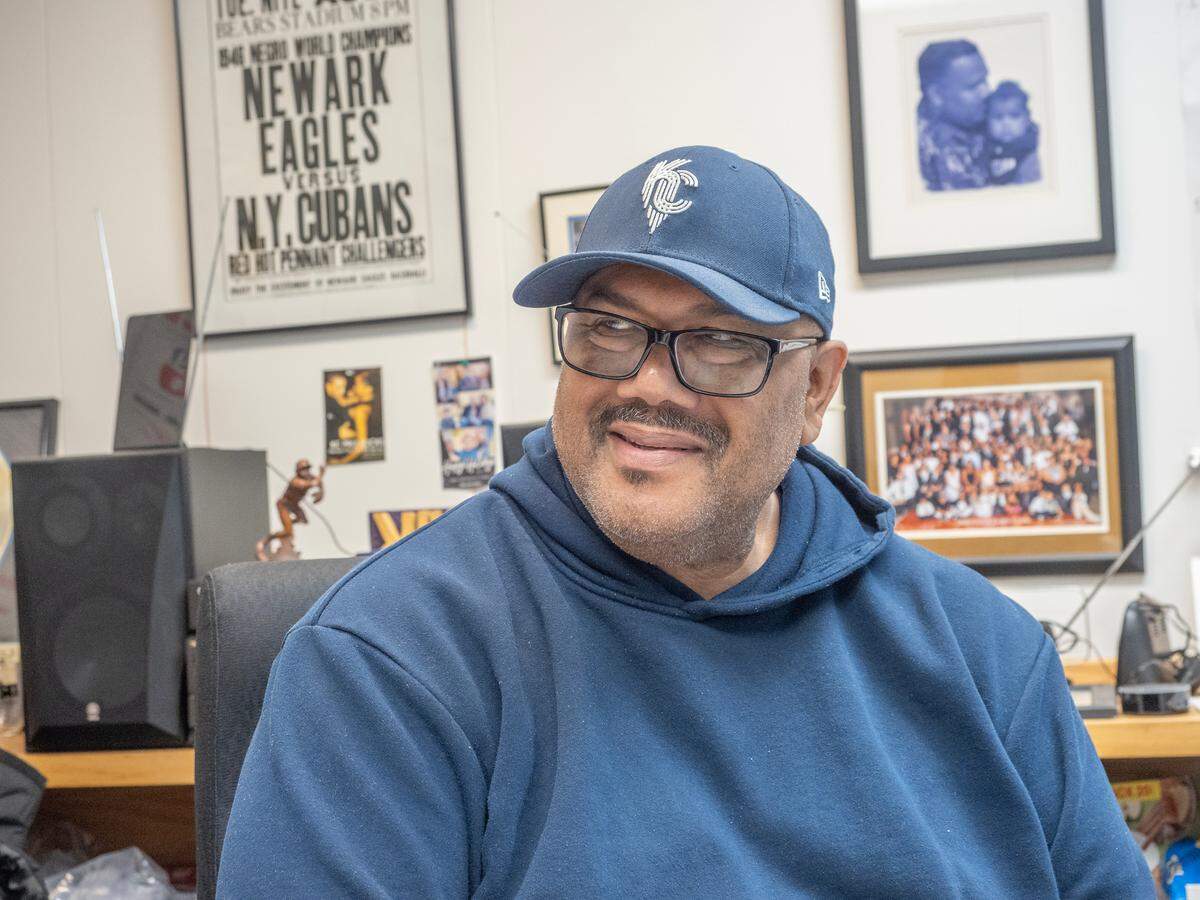
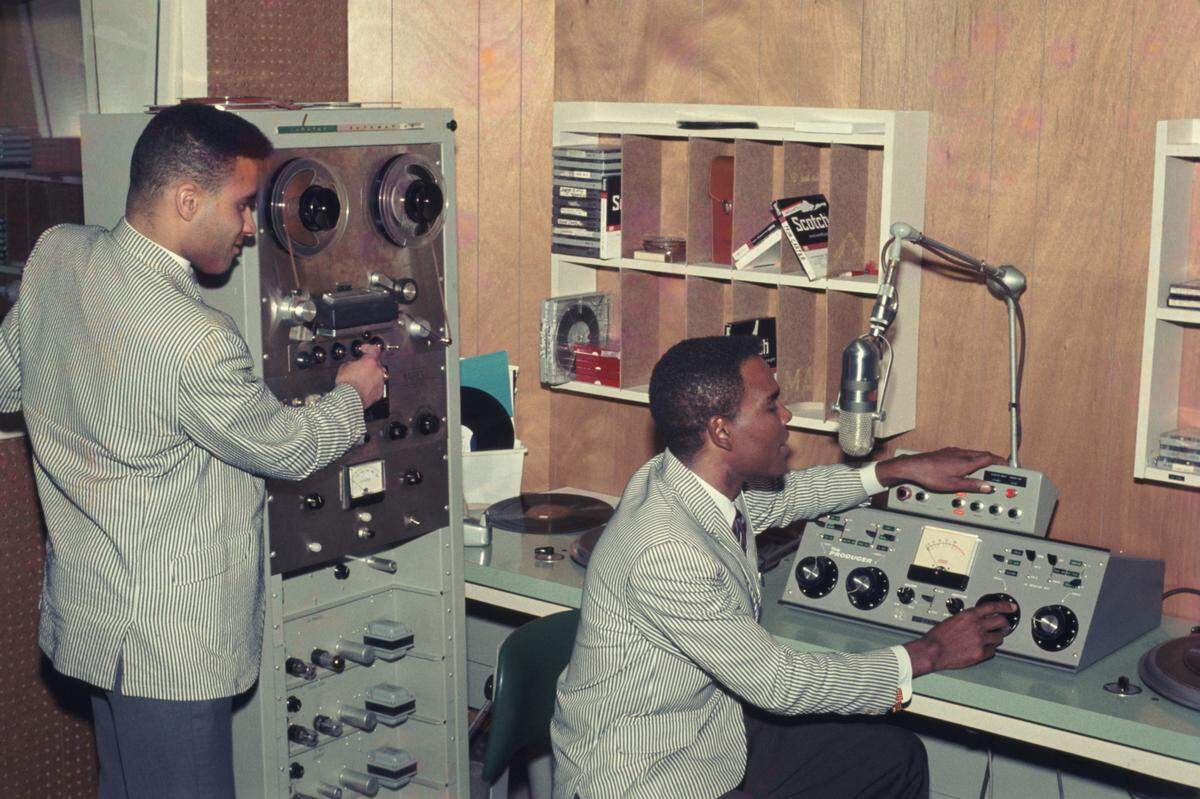
The year before Fears joined KPRS, the station had transitioned from full automation, meaning that shows and music were pre-recorded and played back on air. In 1987, CEO Mike Carter decided to move from automation, and he ushered in a new era for KPRS by returning the station back to live broadcasts.
According to Fears, when Mike Carter took the helm in 1987, the station went back to live programming. The goal was to provide real-time updates to listeners and create a stronger, more personal connection between the station and its audience.
Fears, who hosted his radio show under the name Myron D, became part of a new lineup that would introduce beloved personalities such as Magic Man, Tony G, Sean Tyler, and Julee Jonez, voices that many Kansas Citians grew up listening to.
“I think us being fully automated from 1973 to 87 really hurt us with the listeners, but when I joined they were bringing in new people and it brought in a different spark of energy,” Fears said.
As a member of the Black community who understood the value placed on community connection, Fears recognized that the radio station was deeply woven into the fabric of Black culture in Kansas City. Black residents turned to KPRS not only for music but also to stay informed about local developments that were often overlooked by mainstream media.
Fears said the station leadership has always felt that KPRS had a deep responsibility to its listeners and viewed its role as more than just providing music for their morning and evening commutes.
“We started working with community leaders from all areas,” said Fears. “We did work with Samuel Rogers in regards to healthcare and we had Alvin Brooks come on for the AdHoc Group talking about gun violence and missing children.”
To celebrate the station’s 75th anniversary and its decades of service to the metro area, Kansas City PBS released a documentary, titled “Diamond Jubilee: A 75-Year Celebration of Carter Broadcast.”
The radio station has a long-standing tradition of taking a stand within the community, especially as it relates to the evolving landscape of music performed primarily by Black artists — R&B, the Blues, rap and hip-hop. In the 1990s, a debate emerged at KPRS over the rise of gangster rap and the negative stereotypes many felt it imposed on the Black community. In 1995, the station made the controversial decision to stop playing hip-hop that glorified gang violence and featured overly sexualized lyrics.
“I think we have always asked ourselves how do we best serve the community,” said Fears. “I think then we struggled with how do we make sure we are promoting the music without promoting all the other stuff.”
Careers were made
Over time, and as the genre gained broader acceptance in mainstream American culture, the station eased its restrictions on hip-hop.
The station, rebranded as “Hot 103 Jamz” in the 1990’s embracing hip-hop culture. In the early 2000s, KPRS launched a late-night show called “Underground Heat” which gave local hip-hop artists the opportunity to get their music aired on the radio, giving many of them a platform for the very first time.
The station’s audience grew. One notable addition was “Generation Rap” a Saturday show that brought together youth from across the Kansas City metro to discuss social and political issues of the day from a teen’s perspective.
Brian “Bizzy” Benton, one of the young contributors, got his first taste of a public life through this program. Known in Kansas City these days for curating the popular social media group “KC Where You At” and launching 816 Day, Benton credits his time at the station for sparking his passion for community outreach.
“Being on the radio was huge,” said Benton. “It was great because we were able to talk about social issues and it allowed teens a platform to hear about the issues that related to them.”
Benton, 40, recalls that growing up, KPRS was more than just another station on the dial. He remembers gathering with family and friends to listen to their favorite radio personalities every day. He believes the station played a crucial role in shaping how people viewed their city, instilling a strong sense of pride in being part of its story.
As a former “Generation Rap” cast member, Benton feels that having a program focused on youth was attractive to a younger demographic and pulled them toward the station.
“I think when most people my age think about KPRS they remember all of the good they have done in the community and all the work they have done to build up the community here in KC,” he said.
While Benton has observed young audiences shift away from radio, here and elsewhere across the country, due to the rise of the internet, he believes KPRS still holds respect and relevance because of its long-standing commitment to serving the community.
The high-energy show — “Hustle and Shyne in The Morning,” with Brooks and Perry — doesn’t stray from the community commitment foundation that has kept the station going for so long.
The show covers “all things KC” and features a mix of popular music, along with discussions on politics, sports, and community news. Brooks and Perry shine a spotlight on Black creatives and entrepreneurs who otherwise go unrecognized for their contributions to the metro.. The show features weekly addresses from Mayor Quinton Lucas, who updates listeners on key issues and developments in the city.
“Social media and the internet has changed the way people listen to music,” Brooks said. “I think our presentation has to stay relevant with people’s listening styles so we have to learn how to evolve because we’re competing against everything. We’re competing against the internet and against other radio stations. We’re competing for people’s time at the end of the day and we have to make that value.”
In to the future
Brooks, a Kansas City native, grew up listening to KPRS but never imagined he would one day become one of the station’s most senior personalities. He started there in 2006. Over the years he amassed a large and dedicated fan base including significant numbers on social media.
“I feel like I’m carrying the torch that Tony G. passed to me, that Myron and Julee Jonez passed me, all these generations that mean a lot to Kansas City. To be apart of that lineage and history means a lot to us,” Brooks said.
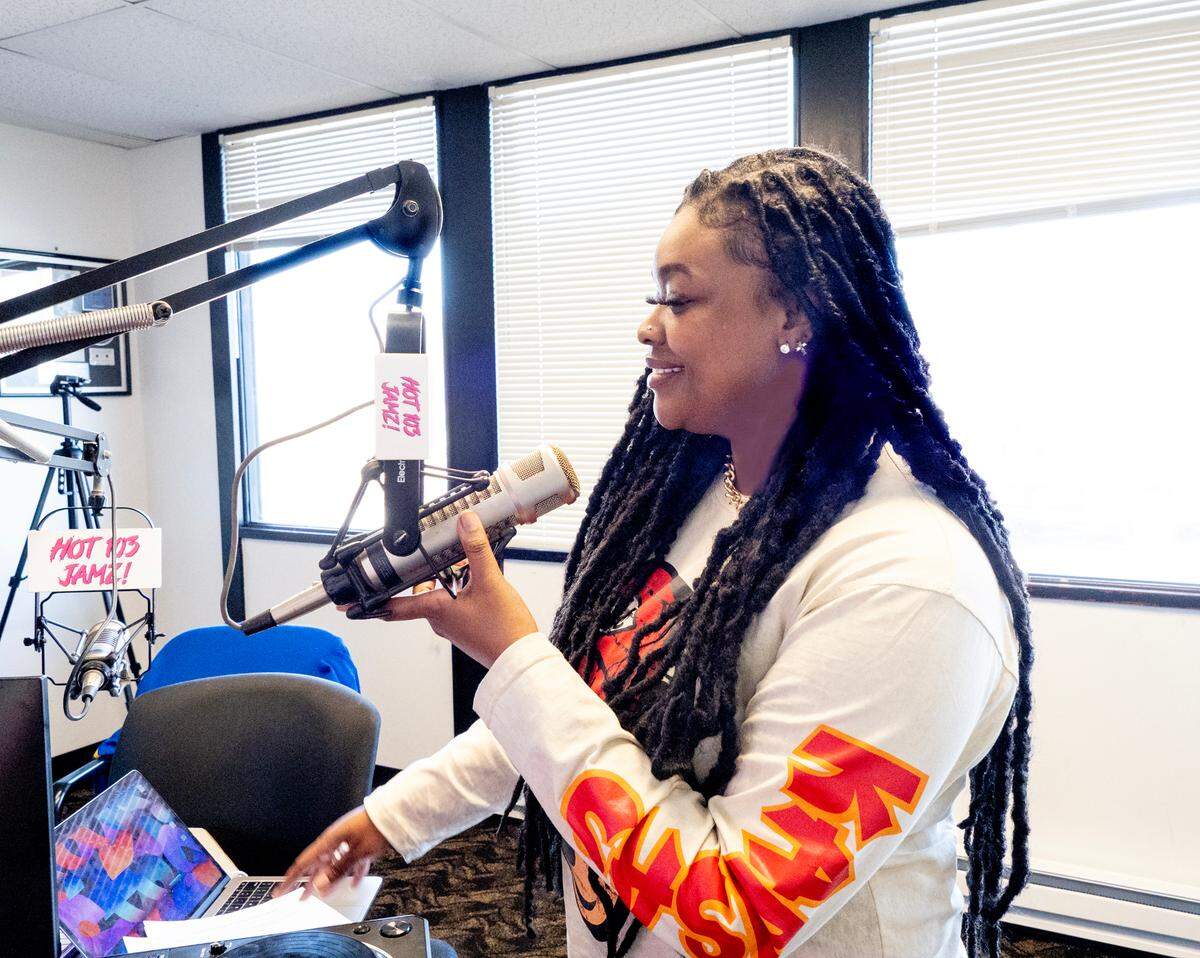
Perry, originally from St. Louis, joined the station in 2020 and quickly fell in love with the city and its people. Although she wasn’t initially familiar with the station’s history, she has since seen how integral it is to the community. As a result, she feels a deep sense of responsibility to continue the tradition of community involvement that KPRS has established.
“I do have a huge sense of pride working for the oldest continually black-ran station in the country,” said Perry. “That history is something I don’t take lightly and I am very much honored.”
“People see me out all the time and ask for a picture and I am always so thankful because these people are listening and may not know our faces but they know our voices and that means a lot to me,” Perry said.
Brooks said the station’s ongoing drive to stay at the forefront of community media is key to its continued success in the future.
“We are one of the original forms of mass media along with print,” said Brooks. “We have been told that nobody listens to radio anymore. For the past 30 we have had to go through changes and I guess I think for me I just want to see it grow as much as possible as a station.”
Fears believes its mission is just as crucial today as it was in the 1960s and doesn’t think it’s impact will diminish. He is optimistic that the station’s commitment and positive influence will ensure its legacy continues to thrive and stay relevant for years to come.
“I think as long as we keep the community first we will always have a place in the Kansas City media landscape,” said Fears.“We have been instrumental in the cultural make up of Kansas City and I am excited for the station. I hope we can be a voice for the city for the next 75 years.”
This story was originally published March 27, 2025 at 12:25 PM.