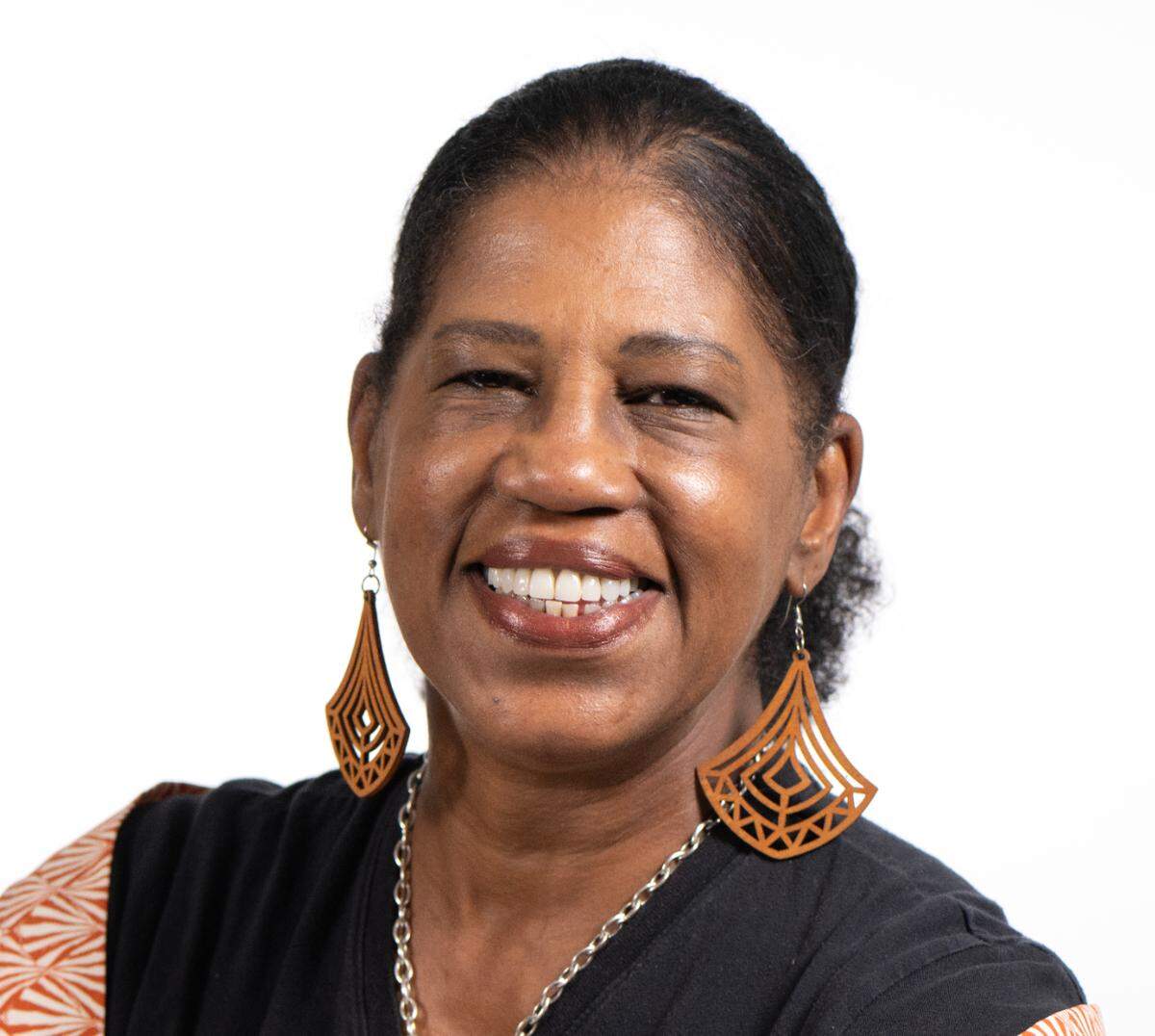
The Chiefs lost Super Bowl LIX, but Patrick Mahomes made Black history
The Chiefs may have lost the Super Bowl last weekend but Patrick Mahomes, simply by being on the gridiron and leading his team in the biggest football game for the third year in a row, made Black history that day.
Mahomes belongs to an exclusive group of Black NFL athletes. He is one of just four Black quarterbacks ever to win a Super Bowl ring, and he is the first and only one with multiple Super Bowl victories.
Black quarterbacks in the NFL — a league founded in 1920 in Canton, Ohio — have battled a long journey to achieve this type of recognition. Racist attitudes, for decades, blocked Black players from standing in the quarterback position. The first Black quarterback in modern NFL history, Chicago Bears quarterback Willie Thrower, took the field in 1953.
Mahomes and the Philadelphia Eagles’ Jalen Hurts are two of the only eight Black quarterbacks to ever lead an NFL team to the Super Bowl. And Sunday’s game was just the second time in league history that two Black quarterbacks went head to head on the NFL’s biggest stage. The last time that happened was in 2023, and the quarterbacks were also Hurts and Mahomes.
The Chiefs beat the Eagles in the Super Bowl in 2023 but lost to Philadelphia in this year’s Super Bowl.
So yeah, while there were a lot of disappointed Kansas City fans watching Mahomes and probably yelling at their television screens for him to do something other than what they saw him doing on the field, it’s likely that few were also aware they were witnessing history.
This is Black History Month, and no matter how you view what happened in New Orleans on Sunday — sad for some, a celebration for others — one thing is certain: It was a Super Bowl for the history books.
Speaking of history books, The Star is introducing readers this month to some notable Black Kansas Citians who might not be as well-known as others. It’s being done in coordination with the Black Archives of Mid-America, which publishes a Black history booklet in partnership with the Kansas City Public Library and the Local Investment Commission, also known as LINC.
Meet artist Henry Ossawa Tanner, educator Jeremiah Cameron, and civil rights activist and educator Julia H. Hill.
.jpg "Henry Ossawa Tanner (1).jpg")
TANNER
Tanner is recognized as the first Black man to gain international fame as an artist. He was born in 1859 in Pittsburgh, Pennsylvania. After traveling the world, he spent part of his adult life in Kansas City, Kansas. Tanner’s middle name, Ossawa, is in honor of Osawatomie, Kansas, which was a key site of abolitionist John Brown’s 1854 fight during the Bleeding Kansas conflict between anti-slavery and pro-slavery forces.
Tanner was the first Black student to study at the Pennsylvania Academy of Fine Arts. He moved to Paris in 1851 and became internationally known for his paintings of African American life. In 1897, he visited his parents in KCK and found a vibrant Black artist community. He died in 1937 at his home in Paris.
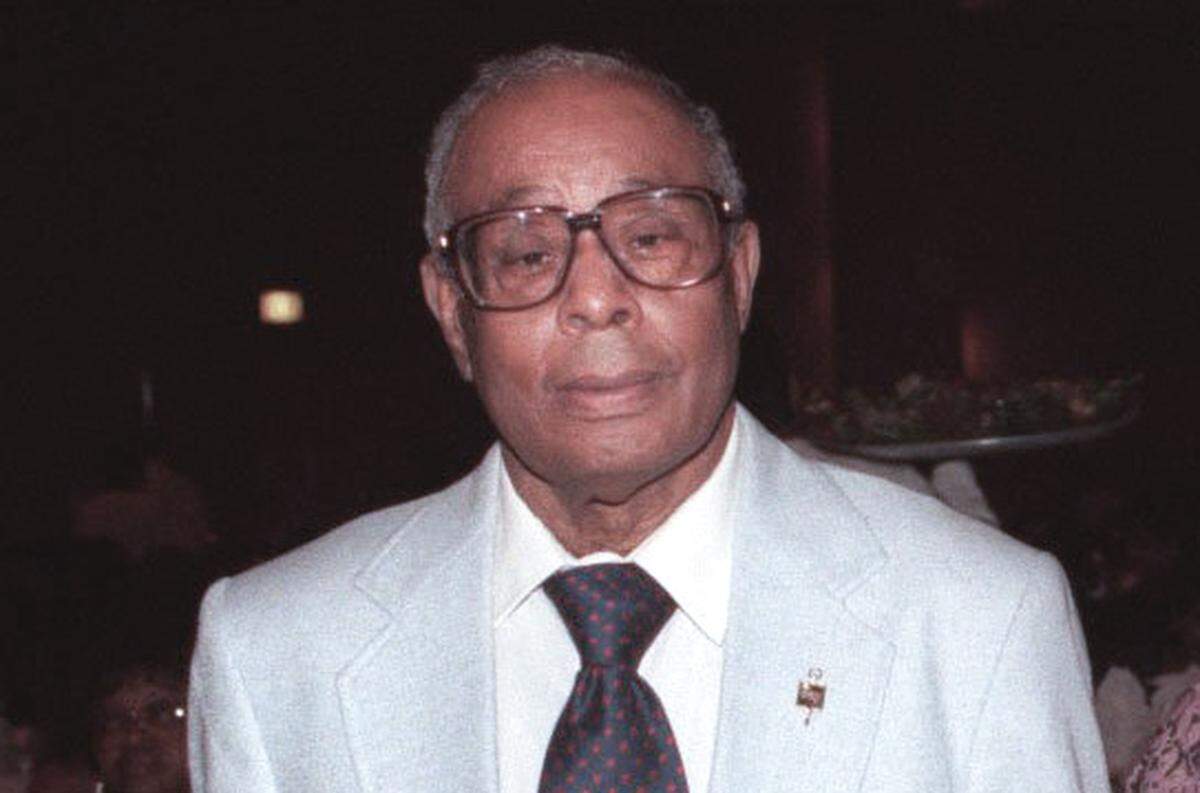
CAMERON
Cameron, a native of Kansas City, Missouri, dedicated his life to education and a teaching career that spanned nearly 50 years.
He grew up on Kansas City’s east side and attended the historic Crispus Attucks Elementary School, which is now the site of the Zhou B. Art Center, 1801 E. 18th St. After graduating from Lincoln High School in 1937, he earned a bachelor’s degree from Indiana University, a master’s degree from the University of Chicago and a doctorate from Michigan State University.
Cameron started his teaching career at R. T. Coles Vocational School and taught at Lincoln High School before landing a position heading the language and literature department at Penn Valley Community College.
He was popular in the Black community for the regular column he wrote for the Kansas City Call newspaper, highlighting the work of the NAACP. Cameron was celebrated for his work as a civil rights advocate. From 1972 to 1979, he also served as a commissioner on the Kansas City Parks and Recreation Board. Before his death in 2008, Jeremiah Cameron Park on West 43rd Street was dedicated in his honor.
.jpg "JULIA HILL (1).jpg")
HILL
Hill, a Kansas City, Missouri, native and Lincoln High School graduate, spent her life fighting for civil rights for Black Kansas Citians and others. She earned a bachelor’s degree from Lincoln University, a master’s degree from the University of California in Los Angeles, and a doctorate at Nova University.
She began teaching at Booker T. Washington Elementary School in 1943 before moving into educational administration. In the mid-1960s, she took a lead role in the Kansas City School District’s Title I program, advocating for equal education access for students. A few years earlier, in 1958, Hill helped found the Community Committee for Social Action, which organized a successful protest to integrate restaurants in downtown department stores.
For nearly a decade in the 1970s, Hill served as Kansas City NAACP president. And by 1984, she was sitting on the school district’s board and served as its president from 1990 to 1996.
When Hill died in 2016, U.S. Rep. Emanuel Cleaver II noted that nearly all the city’s Black leaders he knew were, in some way, students of Julia Hill.
Each of these great Kansas Citians — and there are many more like them — deserve to be remembered not just one month out of the year, but always and forever for the contributions, joy and excitement they brought to Kansas City and the nation during their lifetimes.
And Mahomes, for the history he is making in Kansas City in our lifetime, deserves to be recognized along with them, because he’s sure to go down in history as one of the KC greats.
For more stories about culture and identity, sign up for our free On The Vine newsletter at http://KansasCity.com/newsletters.
This story was originally published February 13, 2025 at 7:58 AM.