KCPD officers less diverse than before DOJ started its investigation into racist hiring
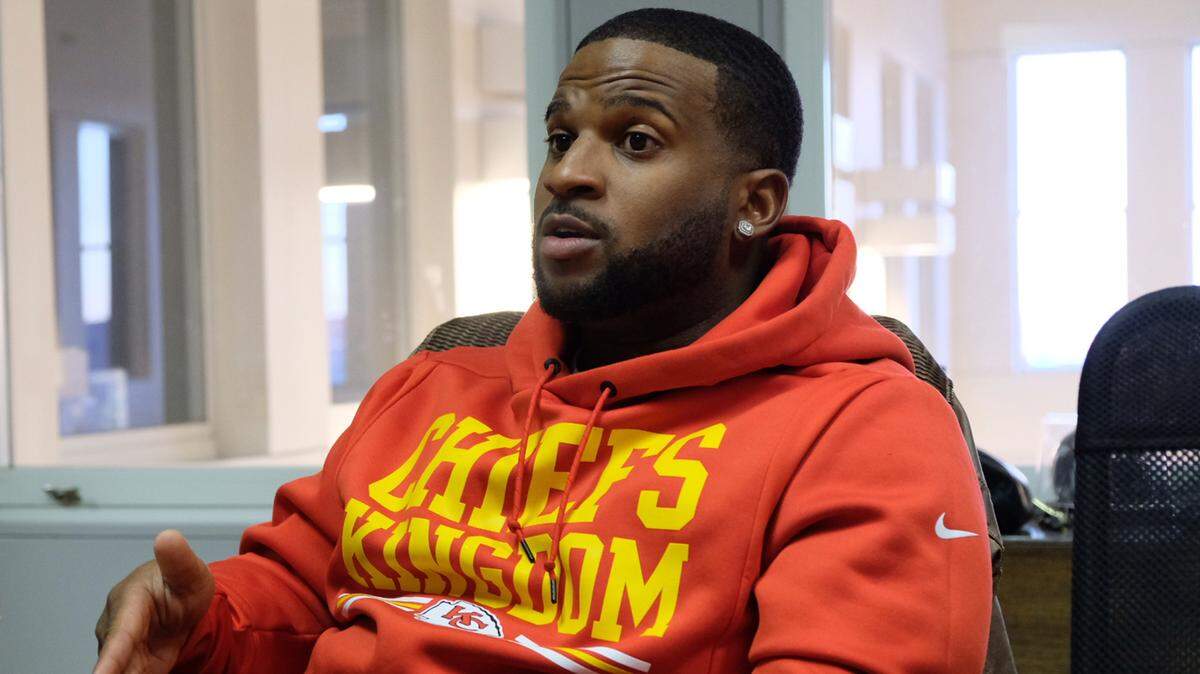
The U.S. Department of Justice’s decision to end its investigation of the Kansas City Police Department after more than two years, without publishing any findings or comments, was a double disappointment to area civil rights leaders.
Not only did the DOJ fail to publicly address longstanding concerns about alleged discriminatory employment practices within the KCPD. But the very existence of that investigation blocked completion of a local audit looking at similar issues.
And because the DOJ took so long to wrap up its case without taking any action, the city government audit may never be conducted, as the auditor who started it in May 2022 has now left the city payroll.
“Any future audit of KCPD’s recruiting practices would be up to a successor,” former Kansas City Auditor Doug Jones told The Star. Neither his permanent successor nor an interim auditor has been chosen. And when someone is picked for that role, the new auditor may not end up picking up where Jones left off.
One thing such an audit might find is that the police department’s workforce has only grown less diverse in the nearly three years since The Star published a series focused on racism within the department.
Both the city audit and DOJ investigation commenced in the months after that series ran in March 2022.
A department headcount on Jan. 1, 2022 found that 16.4% of the department was made up of Black officers in a city where nearly 26% of the population is Black.
As of Jan. 1, 2025, the number of Black officers within the department has fallen to 15.6%, according to a department spokesman.
The Star’s past investigation found that the department had failed at recruiting and retaining Black officers, and that a hostile work environment made it difficult to keep the ones the department did hire.
At the time, The Star found that Black officers were reprimanded at higher rates than colleagues of other races and that many resigned because of the racism they encountered within the department.
One detective detailed how he had been unjustly pulled over by his colleagues. Another recounted how a sergeant had called him the n-word. And another former officer said being Black in the KCPD was like “being a mouse in a snake cage.”
‘Left entirely unprotected’
The unexplained conclusion of the federal probe into the police department three days before President Donald Trump took office and the sudden end of a similar federal investigation into workplace discrimination at the Kansas City Fire Department the day after the inauguration sends a disturbing message, said Gwendolyn Grant, president and CEO at the Urban League of Greater Kansas City.
Victims of discrimination cannot expect the current administration in Washington, D.C. to look out for them, she said.
“Amid an aggressive rollback of diversity, equity and inclusion policies under the Trump administration, this decision was expected,” Grant said. “However, it is not just disappointing — it’s dangerous.
“It signals a willingness to turn a blind eye to racism and let discrimination thrive…The DOJ’s decision to withdraw its investigation leaves a gaping hole in accountability for the KCPD, an institution already shielded from local control. Without federal oversight, minorities and women who face racial and sexual discrimination are left entirely unprotected.”
Both Kansas City’s police and fire departments are defendants in lawsuits filed by current or former employees who allege that they have been victims of discrimination in those workplaces. Yet even the court system may no longer be a backstop to combat discrimination in some instances, Grant noted.
In August, the city and Local 42 of the International Association of Fire Fighters signed a new contract that puts limits on future firefighters’ ability to file lawsuits alleging discrimination on the job.
Their cases would instead be decided by an arbitrator, rather than a court of law.
Combine that with the DOJ’s decisions, Grant said, “and you have a system that not only tolerates but enables discrimination to persist with impunity. These actions dismantle the fundamental safeguards meant to protect fairness and equity in our city.”
A public process at KCFD
The DOJ investigations of both the police and fire departments were launched under the Biden administration in response to The Star’s reporting.
But the local response regarding each agency was quite different.
The city conducted its own investigations after the newspaper’s December 2020 series that focused on unfair employment practices within the fire department.
The Star found that Black firefighters were less likely to be promoted to higher ranks due to a biased testing system as well as policies that tended to keep Black firefighters from choice assignments in fire stations that could lead to career advancement.
In addition to changing some of those policies and reforming the promotion and recruitment systems, the city hired a consultant to examine the employment practices and workplace culture of the fire department.
That cultural assessment resulted in a public report published in January 2023. It highlighted the need for reforms within the fire department to make the department more inclusive for women and Black firefighters.
City officials say those reform efforts are ongoing.
The police department did not conduct a similar public examination of itself. And city officials could not force the department to conduct one because the police department is not controlled by the city government, which funds it, but rather by a state board whose members, other than the city’s mayor, are appointed by the governor.
Police audit stalled
Jones, however, decided to undertake an examination of the department’s hiring practices at the suggestions of the city’s civil rights community. His aim was to see whether that department’s workforce represents the racial and gender diversity of the community the KCPD is supposed to serve and protect.
Like many police departments across the country, Kansas City’s is disproportionately white, which area civil rights groups say contributes to unfair application of the law to people who aren’t white, and specifically to Black Kansas Citians.
Jones began work on that audit in May 2022. After a preliminary assessment of department data that summer, he narrowed his scope to two bullet points:
Do KCPD police officer applicants and hires represent the racial and gender diversity of the community?
Are KCPD’s diversity recruiting and hiring efforts consistent with recommended practices?
He published that scope statement on Sept. 12, 2022. Then on Sept. 26, he quietly put the audit on hold without public explanation.
The reason? During those intervening two weeks, the Department of Justice had begun its probe, and Jones did not want to get in the way.
“In my professional judgment, suspending our current audit of KCPD’s diversity recruiting and hiring practices is the best course of action to avoid any potential interference with this DOJ investigation,” Jones wrote in a letter to the city council and board of police commissioners that only became public after the DOJ dropped its inquiry last month.
“Following the conclusion of the DOJ’s investigation, we will evaluate whether to resume our audit.”
Another newly available letter to the same recipients dated May 5, 2023, said he had canceled the audit entirely. The information he gathered the year before was out of date, and he’d have to start from scratch, if he were to return to the topic, it said.
“Following the conclusion of the Department of Justice investigation, we will evaluate whether to conduct an audit on this topic,”Jones wrote.
When Jones retired as city auditor at the end of January to take a similar job for Johnson County, nothing pertaining to police internal employment practices was on his office’s list of potential audits for the upcoming fiscal year.
That list was being finalized in the days before the DOJ announced its investigation was over.
Emphasis on recruitment
The Star’s series on the police department coincided with a change in department leadership.
Rick Smith retired as chief of police in April 2022 amid criticism over how his department policed the city’s Black residents. Kansas Citians wanted Smith’s removal. Grant and others had asked the DOJ to investigate what they saw as his department’s racist hiring practices and police violence directed at minority suspects.
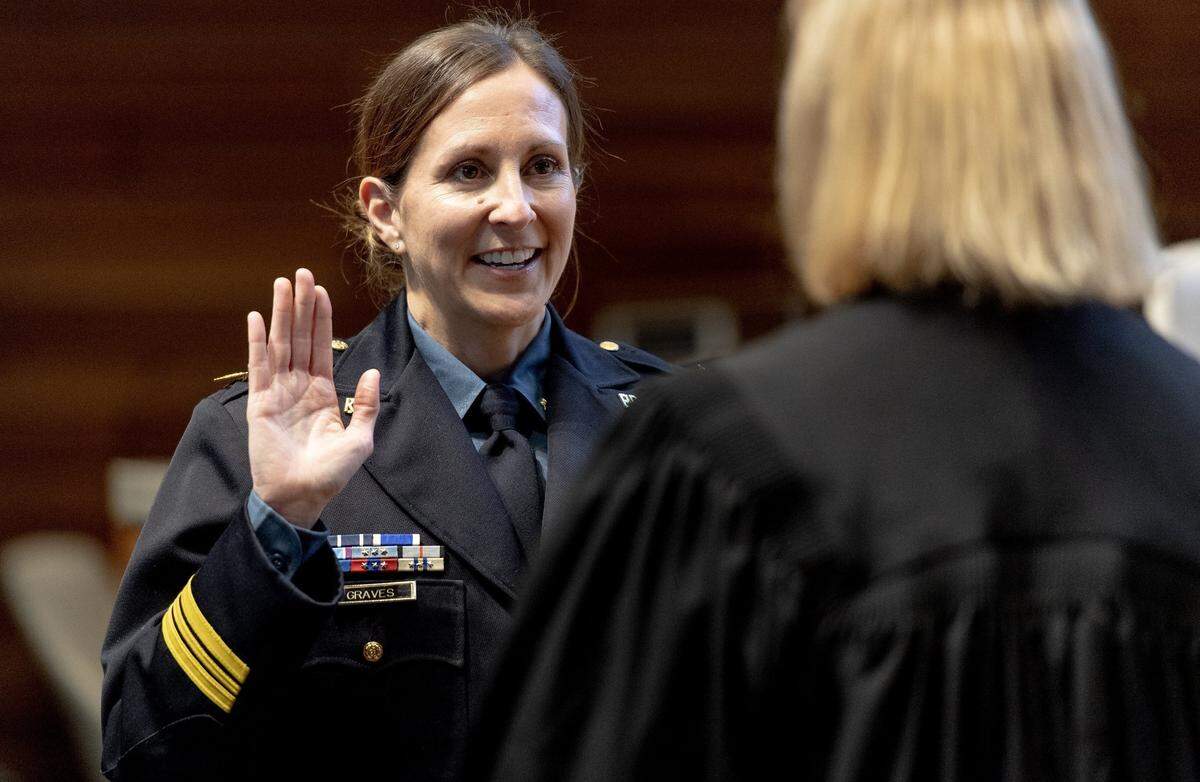
The Board of Police Commissioners, which arranged Smith’s early dismissal, chose Stacey Graves as his replacement the following December.
She has placed an emphasis on increasing diversity within the department and making the workplace environment less hostile to nonwhite employees, said Capt. Jacob Becchina, the department’s public information officer.
“Working to make KCPD more representative of the community we serve remains a high priority and frequently stated goal of Chief Graves,” Becchina said. “She is constantly directing members of the department to work towards this goal, no matter what their assignment.”
In an effort to fill department vacancies – there were 230 at the start of this year out of an authorized 1,408 positions, Becchina said – the department participated in more than 200 recruiting events last year, including career fairs at historically Black colleges and universities, as well as at local high schools and military installations.
Some other examples of events he cited included ones held by the Women’s Employment Network, South KC Community Resource Fair, UMKC Institute for Urban Education and the Boys & Girls Clubs of Greater Kansas City.
“With all of these efforts we hope to connect with members of our community and increase the likelihood that they see themselves in KCPD and consider a career here,” Becchina said.
Changes to department discipline
Since The Star ran its series of stories three years ago, the police department has also revamped its discipline process, which Black officers said had treated them unfairly.
Among those who felt this way was Kansas City police officer Titus Golden, who alleges in a pending lawsuit that he faced harassment and unfair treatment as a Black officer.
He also alleges that he has repeatedly been passed over for promotion and disciplined after reporting the misbehavior of white co-workers.
In consultation with the Fraternal Order of Police union, Graves has also initiated changes intended to inject greater fairness into work assignments and the promotion process, Becchina said.