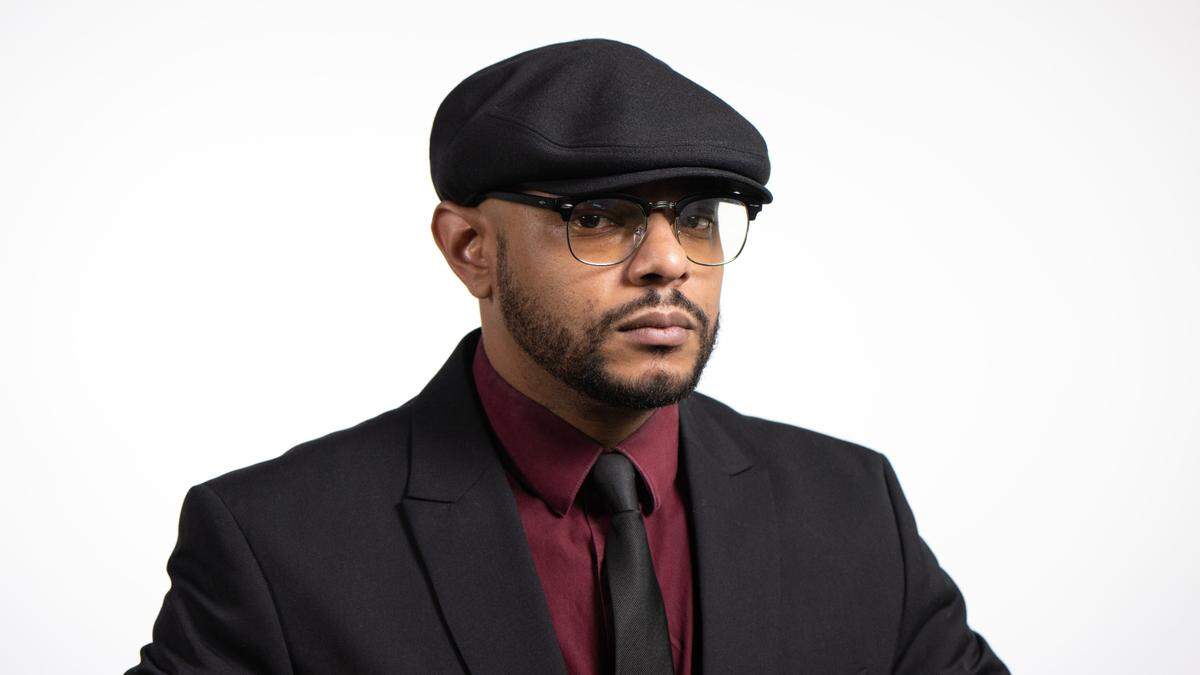
KC mentor inspires Black boys to aspire to become ‘impactful’ members of society
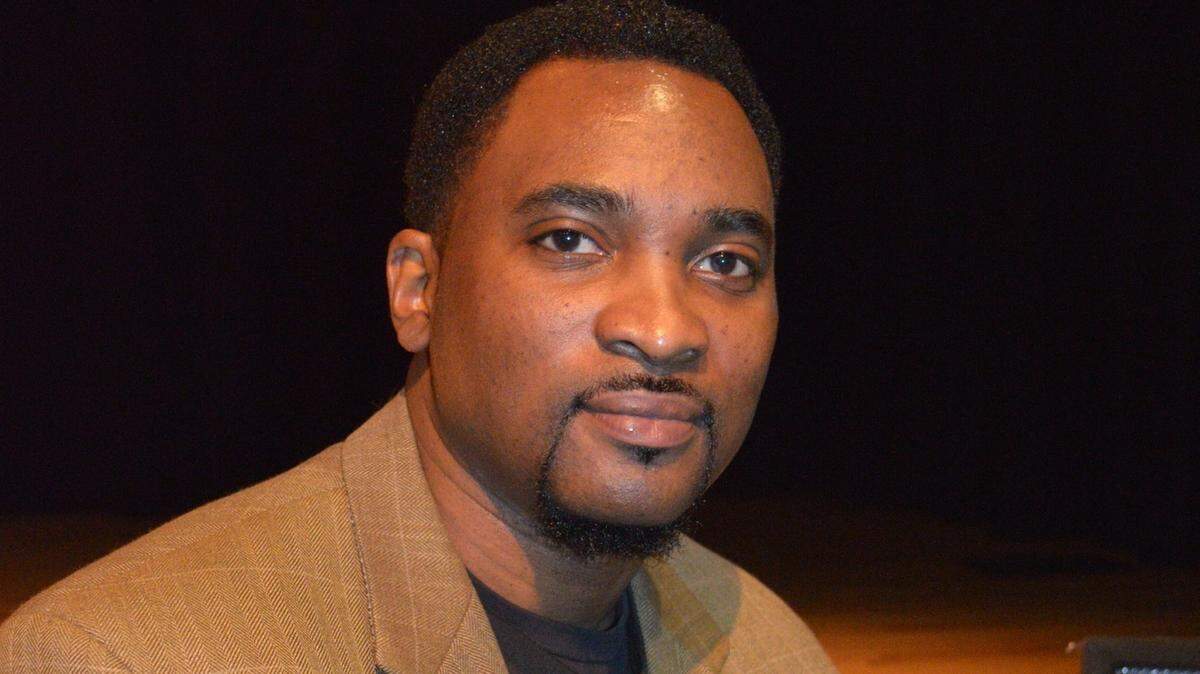
In 2007, Ken Lumpkins learned that 100 Black Men of America was establishing a chapter in Kansas City. He decided to get involved with an organization he had admired for years. Lumpkins was attracted to 100 Black Men of America, especially because of its nationally known efforts in mentorship.
For more than two decades, Lumpkins, 54, has devoted himself to making a difference in the lives of young Black men in the Kansas City metro area, supporting their growth in education, economic development, and both personal and professional advancement.
Now president of the local chapter, of 100 Black Men, Lumpkins, co-owner of Blue Symphony, a digital marketing company, is behind numerous programs and initiatives aimed at bringing in Black male role models, demonstrating to the youth that success is within their reach.
Recently Lumpkins sat down with The Kansas City Star’s culture and identity reporter, J.M. Banks, to talk about recruiting Black male mentors, youth programming and growing a community of influential Black men.
Banks: Can you tell me about your early life and upbringing?
Lumpkins: I grew up here in KC with both of my folks in my life. Achievement was always the order of the day with both of my parents being college graduates who became teachers. I went to East High School and graduated valedictorian so this idea of succeeding and being the best human being you could be was always apart of my upbringing.
Education and going to college was never an option in their eyes it was more of a where are you going to college type of situation. I went to UMKC (University of Missouri Kansas City) and majored in business administration but had always grown up with a love and passion for art. I still have that love for art and in my current position as co-owner of Blue Symphony, I both design and create marketing for businesses.
Did mentoring have an impact on your life growing up?
I have had many people I would call inspiring characters who have impacted my life. I have had a great many people in my life from teachers to coaches who have taken the time to pour into me. I had uncles who I could call and get advise from and those were among my first official mentors.
I was always the young guy going into rooms with older, professionals in their 40s and 50s because I knew they had the road map and the keys to where I wanted to be. I knew networking was important because it is like they say, it isn’t just what you know but who you know.
Can you tell me about your organization 100 Black Men of Kansas City?
100 Black Men of America is the national organization with chapters all over and it is a service organization. It started in 1963 and became a national organization in 1986. It has four principal pillars which are mentoring, education, economic empowerment, health and wellness. We embody those particular pillars throughout our service programs.
Our other two focus areas that we have are leadership and community engagement. Those things are the North Star of everything we do. We try to bring in men who are leaders in their particular fields or are in the pursuit of becoming that leader. We stay engaged with civil and civic work though things like voting rights education and public safety work against gun violence. We look for opportunities to identify gaps in the community and then fill those gaps.
What inspired you to get involved with mentoring with 100 Black Men of Kansas City?
The Kansas City chapter was chartered in 2006 and I became a member in 2007. This is the start of my second year as president. I have always been really involved with various groups and organizations in the city. I used those connections to expand my network because I always felt like having a network was really important to the resources at your disposal. 100 Black men is great because it encompasses so many different men so, that means we are able to tap into the brain power among a lot of other fields and disciplines.
It became an opportunity to build community and connections so we are this body of socially minded people that can better reach the youth. We have mentors from all over and try to bring in mentors who will help the youth in terms of education, economic development and health.
Can you tell me about your organizations programs?
100 Black Men has been called the nations leading African American mentoring organization. We have our Dollars and Cents program that is geared towards high school students and we have over 100 students signed up for this year. They come out every Sunday from January to March for a two-hour session on how to build wealth.
We teach them about more than good budgeting and go further into stocks and investments. We are finding those places that kids in our community don’t really hear about and that is how wealth in other communities are built so we wanted to allow the next generation to have the education to participate in those practices.
We have a brand-new program that starts Feb. 22 called Project Pathfinder for high school and middle school boys. The goal in that program is to give them skills and provide guidance that allows students to get involved in service activities like feeding those in need while working on their own personal development. We work on career development, social skills and getting them involved in the community. We want to take them from boys to men in a leadership capacity.
We just hosted our Ignite Mentoring Summit, which is great because it is not just 100 Black Men of KC. We are pointing them to other groups, organizations and services where if one doesn’t work for you maybe there is another that will.
What are the challenges that you face in your career?
We are a nonprofit organization and most of our talent is from our volunteer members. Anytime you have volunteers vs staff you work around their schedule. People have work, families, school and other obligations so we can always use more hands on deck.
How do we get more people in the community involved in mentoring?
I think people know we have a need and we see the discussions on social media about shootings and crime happening with the youth. They always ask what are we going to do and we know what we need to do and that is get involved in these young kids lives. We have to show them there is something else. The other part of that is showing the success stories and at our mentoring summit we were able to show a video of youths who have achieved and found success based on their experiences with our mentors. The positive things that happen need to be talked about as much as the bad things going on.
How do you feel your work impacts the community around you?
I think it impacts the community by bringing positive role models. We live in a community where there are issues in terms of morality and principles. We need organizations like ours to stand up and say there is another path that leads to somewhere better in life.
It takes exposing them to these role models so that they can see it is possible. We become representatives of our core principles and that is key in teaching them about character and leadership. So, we are talking to these kids about wealth, Black history and finding the missing pieces that we need to fill in to benefit the community. We want to not only change lives but change the direction from a community standpoint.
Do you have a personal motto or philosophy that guides you?
Something I tend to say is that it is really about making an impact. I would say that impact is leaving a legacy and my aim is to be able to look back and see that I used my time on this earth to be impactful.
What are your organization’s goals for the future?
We want to continue to grow our membership. Some chapters have 300 or more members so if we can find candidates with the qualifications, we want to do that. I would like to see us generate more money so we can do more programs and our goal is always to improve in our core areas in terms of development. I would also like to see us do more big projects in the community and create more opportunities for the youth.
What advice would you give to someone who is interested in getting into mentoring?
I would say understand what it is you bring to the table. You must know that you have something that you can pass on and sometimes we have to wait until you are in the right space or stage to support someone else. The other thing is to understand the time commitment. Whether you sign up for twice a week or twice a month you are committing your time to being their to impact the youth so you have to know your schedule and be on top of that.
For more stories about culture and identity sign up for our free On The Vine newsletter at http://KansasCity.com/newsletters.
This story was originally published February 6, 2025 at 12:26 PM.