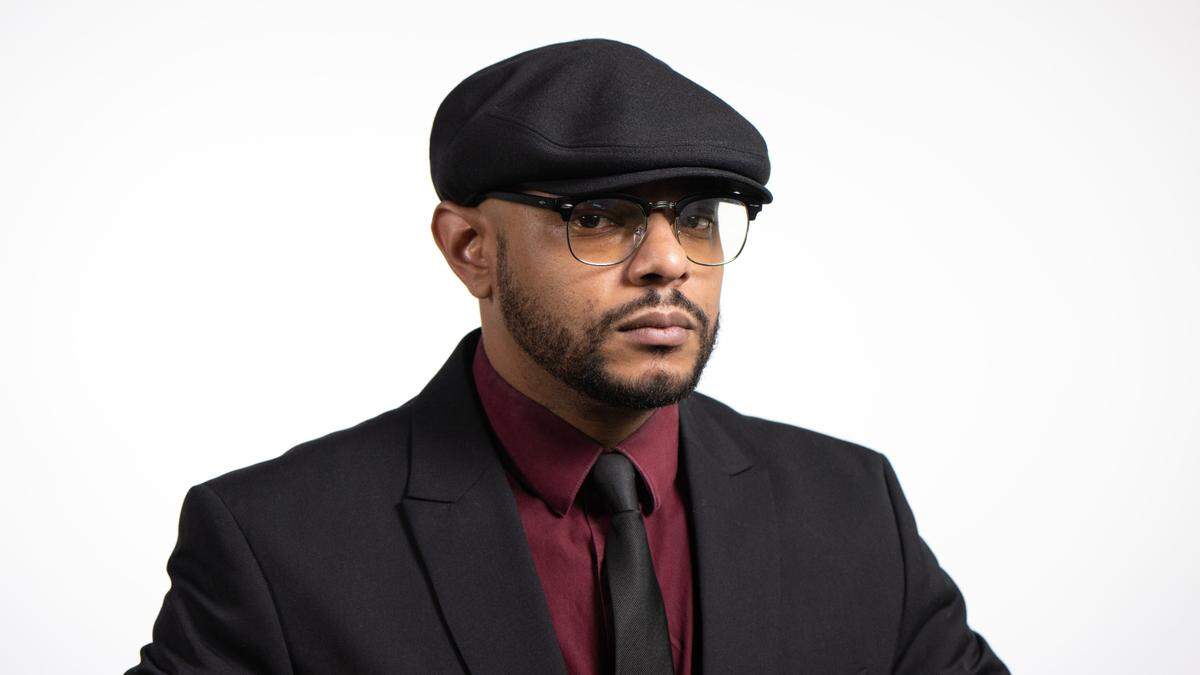
KC educator used to be a rapper. Now, he helps kids tell their stories through hip-hop
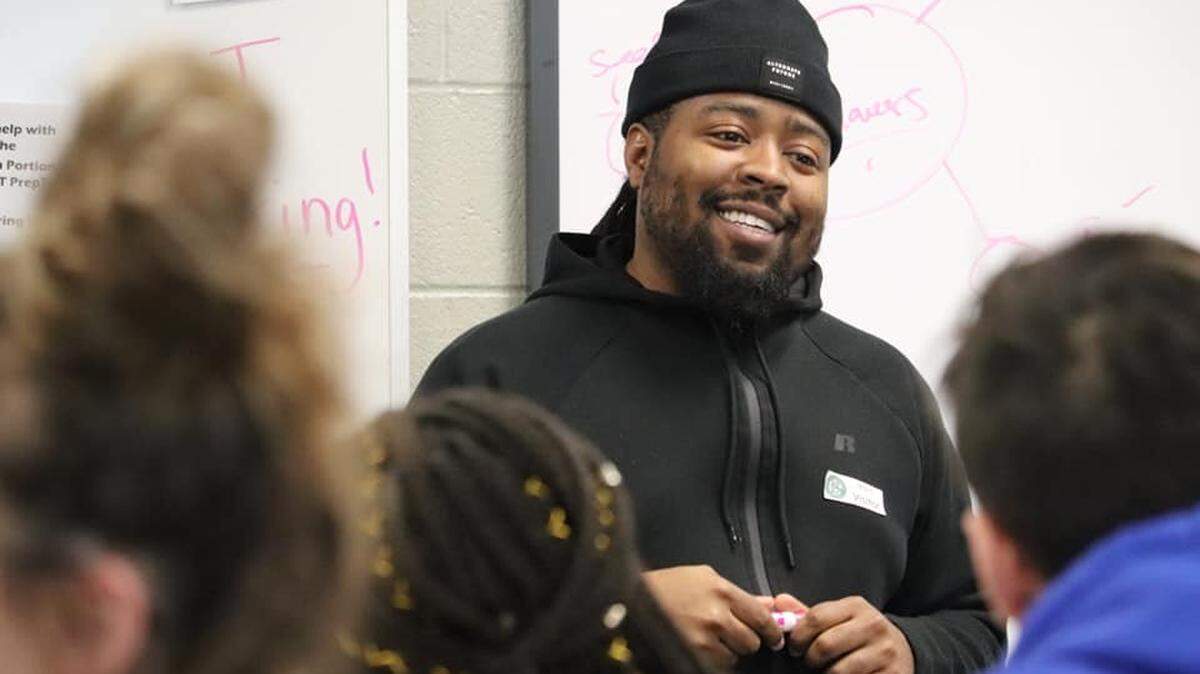
For much of his adult life, Royce Handy, who is 38 and the technology and communications coordinator for the University of Missouri Kansas City’s Center for Neighborhoods, has worked to drive change in the urban core — spending his days on a college campus and his evenings teaching hip-hop skills in local schools.
Handy grew up in Kansas City, Kansas and like a lot of other teens in the late 90s and early 2000s, aspired to become the next big hip-hop artist using his lyrics to share stories of protest and resistance against an unjust system. Handy figured out early in his journey that a deeper understanding of reading, writing, and storytelling made him a better rapper.
The connection he discovered between hip-hop and education stayed with him and in 2017 Handy launched We Are Rap aimed at teaching educational skills to young people through the power of hip-hop.
After a decade of using hip-hop as a platform for creative and artistic expression, Handy has witnessed firsthand the transformative impact it has on students as they discover and embrace their own voices.
Recently he sat down with The Kansas City Star’s culture and identity reporter, J.M. Banks, and talked about using hip-hop as an educational tool, the protest roots of hip-hop and his hopes for growing his organization into a city wide program.
Banks: Can you begin by telling me about your early life and upbringing?
Handy: I was born in Germany on a military base but I actually grew up in KCK in Wyandotte County. For a while I was a full-time musician and that kind of bridges everything. Growing up I used to like hip-hop and I used to play drums in church and that’s where I really got my interest in music.
I started to get into rap and started listening to Biggie, Tupac, Master P and DMX. I was a big reader early on because my mom was an educator for years and she really instilled the importance of reading. So when I heard rap music I really listened to the stories and those were kind of my escapes. That evolved into me freestyling and by the time I got in the 12th grade I was battling and recording.
So music, reading and writing became the foundation of the kind of work that I wanted to get into and turned into technology and communications.
Can you tell me about your field of work and how that evolved into you teaching students hip-hop?
I work for UMKC’s Center for Neighborhoods as a technology and communications coordinator. I got into urban policy and management when I was younger because I was really interested in the way policy impacts laws and the way people live.
Growing up I wanted to make music, talking about the things going on in my community and make movements. My goal was to use anti-violence music to raise money for shooting victims and paying for funeral cost.
I started doing a lot more community work with people like Brandon Ellington (former 3rd District at-large Kansas City councilman) when he was doing these concerts in the park and at the time he was trying to get the ban on employers asking if someone was a felon.
So seeing my music being used alongside with getting policy going was something impactful for me. When the Black Lives Matter protests started I went to Jefferson City with some protesters from Ferguson and had a protest at UMKC.
The behind the scenes work is what really interested me in seeing how people were using their voice to make change. I began to think about how hip-hop and education are in the same lanes of conversation of policy and public service and that’s how I got started with hip-hop education.
Can you tell me about your We Are Rap hip-hop education program?
Growing up with a strong upbringing in education and a love of music imparted the importance of storytelling. I started teaching these classes back in 2014 and I teach students how to write creatively by using hip-hop. We teach lyric writing, freestyling, beats and performing.
I met a friend who was doing something similar, but with studio recording, so we came together in 2017 and created our hip-hop education program called We Are Rap which has evolved even more since then.
Now we take students through the entire process from writing, performing, recording, producing and touring so they learn in what areas they find their full expression. So we have been able to work with school districts, the YMCA, churches, after school programs and clubs all around Kansas City.
We are in the schools teaching in the classroom but we are also out in the community. Right now we are teaching a series at North Kansas City High School.
What are the challenges that you face in your career?
One of the major challenges for us is we don’t have our own facility. We’re usually waiting on these other organizations that call but if we had our own after school facility we could do weekly courses and interact with even more kids.
We have a mobile studio so we can go to where we need, but not being able to be open to the public all the time I feel holds us back from doing as much work as we would like. That all goes back to funding.
How do you feel your work impacts the community around you?
I think having a robust program that schools and other community organizations rely on to provide culturally relevant teaching and tangible activities to help kids stay out of trouble.
We provide somewhere that students can come and practice their interests. We encourage the youth to continue their education through music so they learn skills in short stories, fiction writing, play writing, structure, music theory and so many other techniques that play to music arrangement.
These kids have recorded their own songs, shot their own music videos, short films, put on concerts and have no problem performing in front of people. I feel like this is like a supplemental education that is not only functionally relevant but students are interested in it also.
What about hip-hop do you think connects the most with the students you teach?
I think there is just an attitude that comes with the culture. Hip-hop was born out of the spirit of Black protests. It was a continuation of the African American experience in this country combining jazz, blues, gospel with R&B.
When hip-hop started you began to see DJs, break dancers, graffiti artists and street wear. Of course, we see the MC as the biggest part of hip-hop because he is the one rapping, but producers and other vital pillars of the art have contributed to transforming the genre.
I show students that now there are rappers all around the world from Asia to South America and showing them they are apart of this long tradition that is still impacting the way people tell their stories to the world even today.
What is the most fulfilling part of your work?
Seeing the hip-hop that I fell in love with when I was growing up is still a thing. There are so many voices arguing about the state of hip-hop or how it has been co-opted but the essence of what we are doing is teaching about the influence of the culture around the world.
Seeing these kids get inspired and using hip-hop to write raps about things they are going through like their parents passing away, living in shelters, talking about very traumatic things.
Hip-hop is a creative art form that students can really get those types of things out that they probably wouldn’t talk about to another person. Rap is all about the freedom of expression and that is why the culture is still so impactful around the world.
Do you have a personal motto or philosophy that guides you?
One thing I often say is if you are not doing it for the youth, you are not doing it for the future. To me it is always about reaching back and pouring into someone else’s future.
What are your organization’s goals for the future?
One of our goals is to really start incorporating more technology and scaling up to make things more accessible in terms of production.
A personal goal I have is teaching hip-hop on a university level. I have been invited to speak at Washburn University (in Kansas) and we have done a program with KU (The University of Kansas) as apart of their community outreach.
I would love to develop a curriculum on the college level for the course that discusses protest music and hip-hop over the past 40 years.
What advice would you give to someone who is looking to follow the same career path as you?
There will always be a struggle between doing what you are passionate about. You have to find a way to tie your passions together and create something new that no one has seen before.
For more stories about culture and identity sign up for our free On The Vine newsletter at http://KansasCity.com/newsletters.