
What happens to cemeteries when money stops? Inside historic Black graveyard near KC
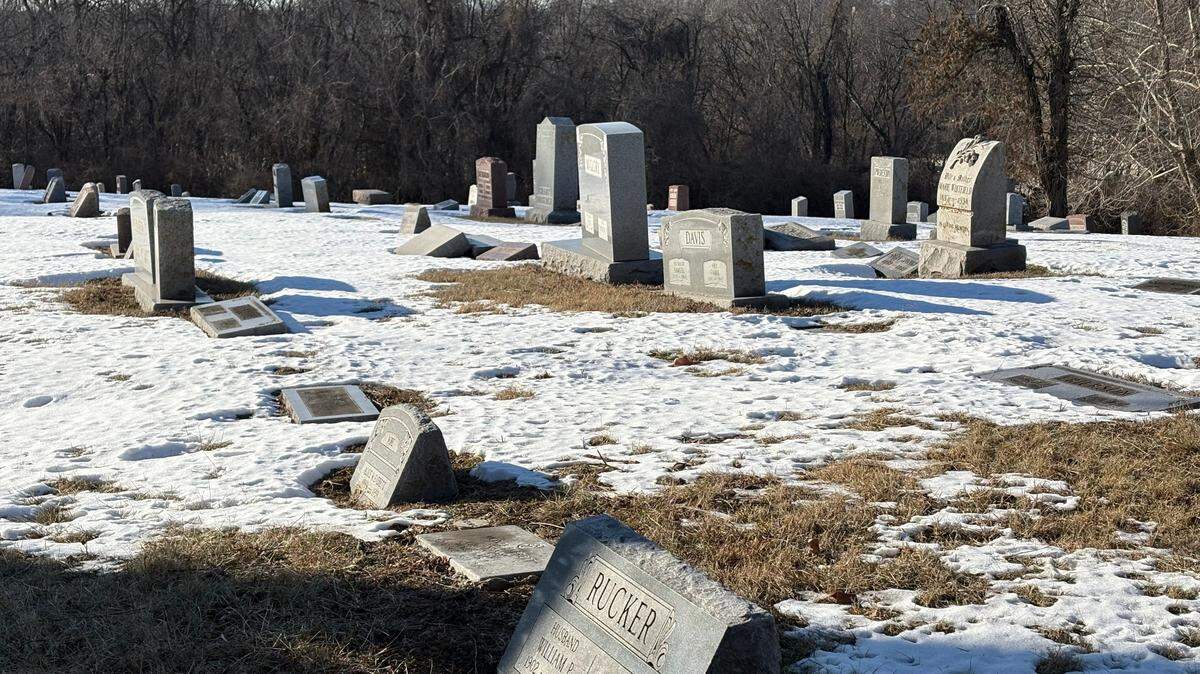
Just east of Kansas City limits in Blue Summit, a chain-link fence along Blue Ridge Boulevard seals the entrance to a hilly plot of gravestone-dotted land.
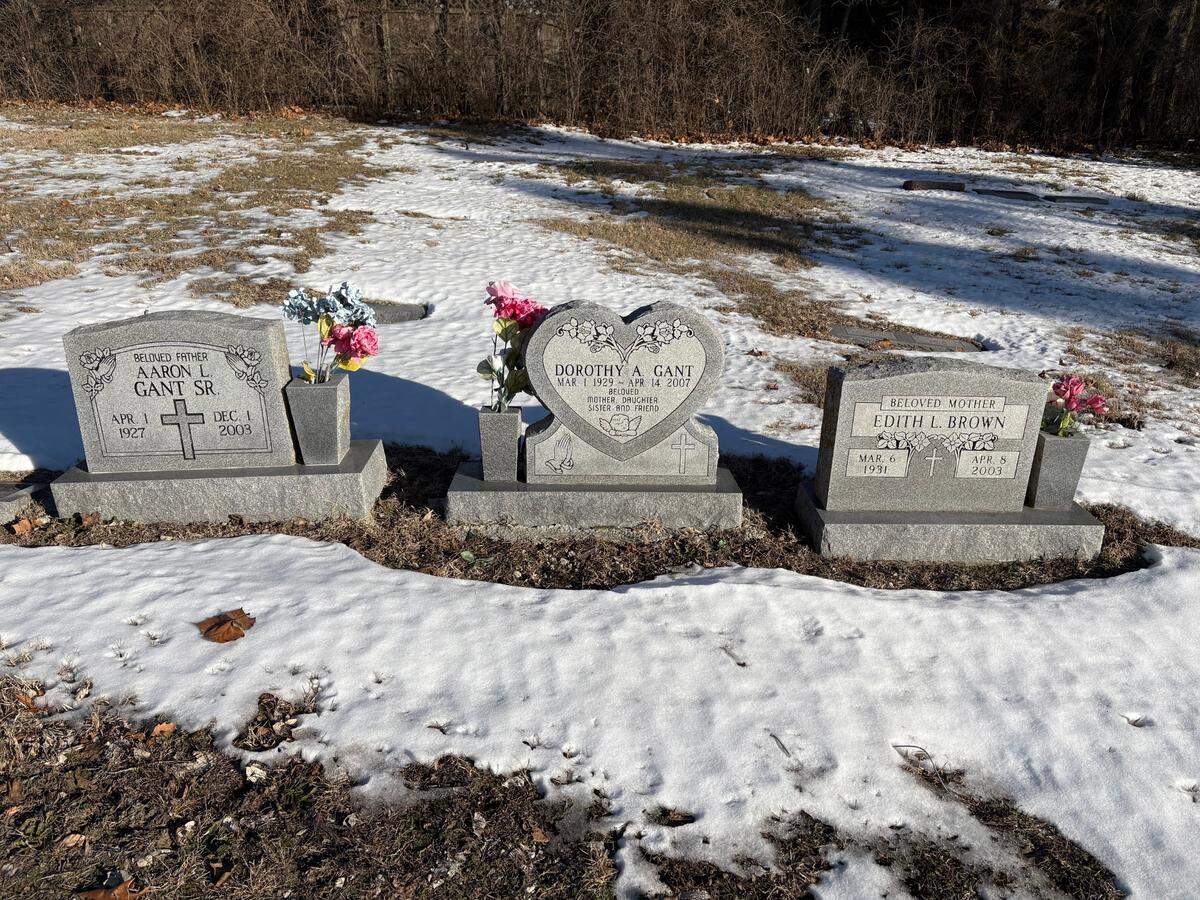
On a recent Thursday afternoon, the snow had just melted enough to reveal headstones embedded in the cold ground, but the gravel paths are still slick with ice. At a handful of graves, fake flowers stand out in bright pinks, reds and blues against the monochrome landscape.
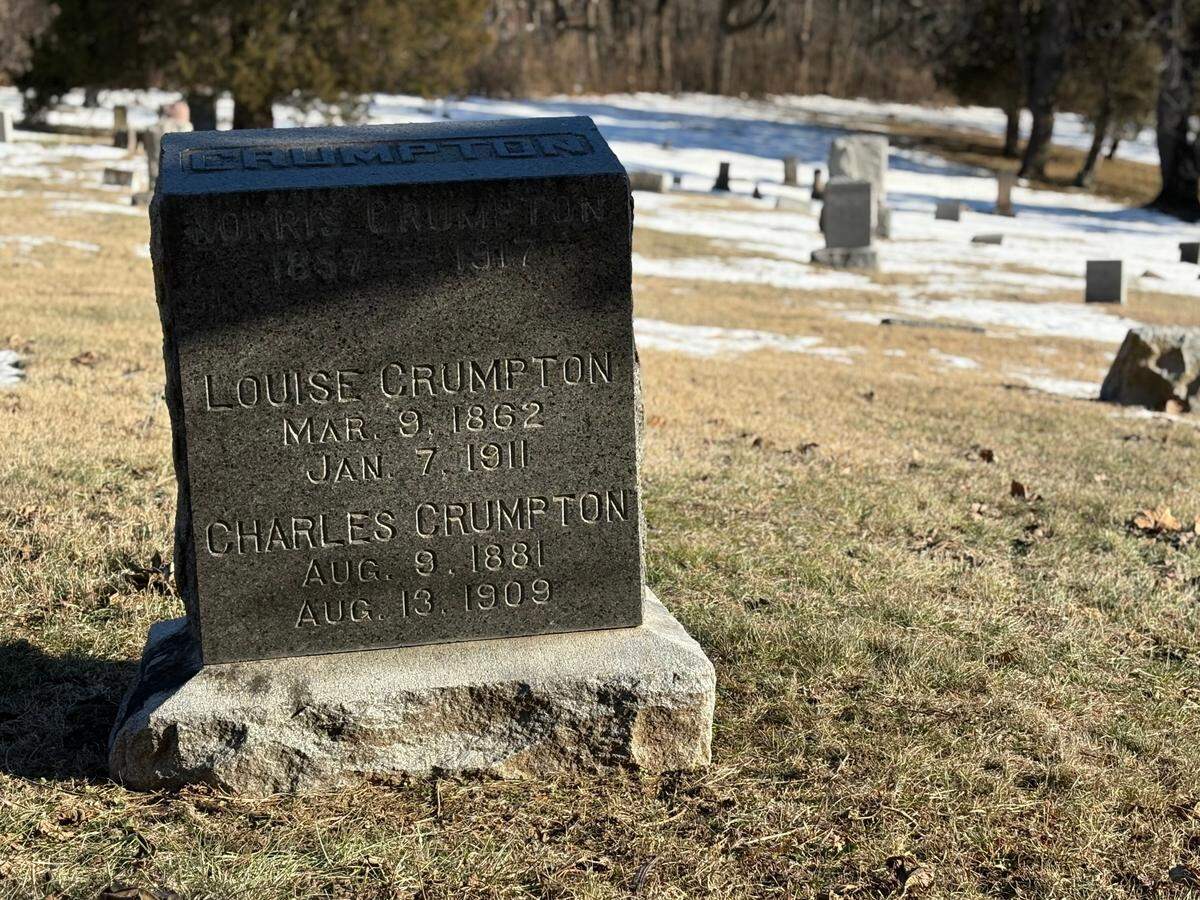
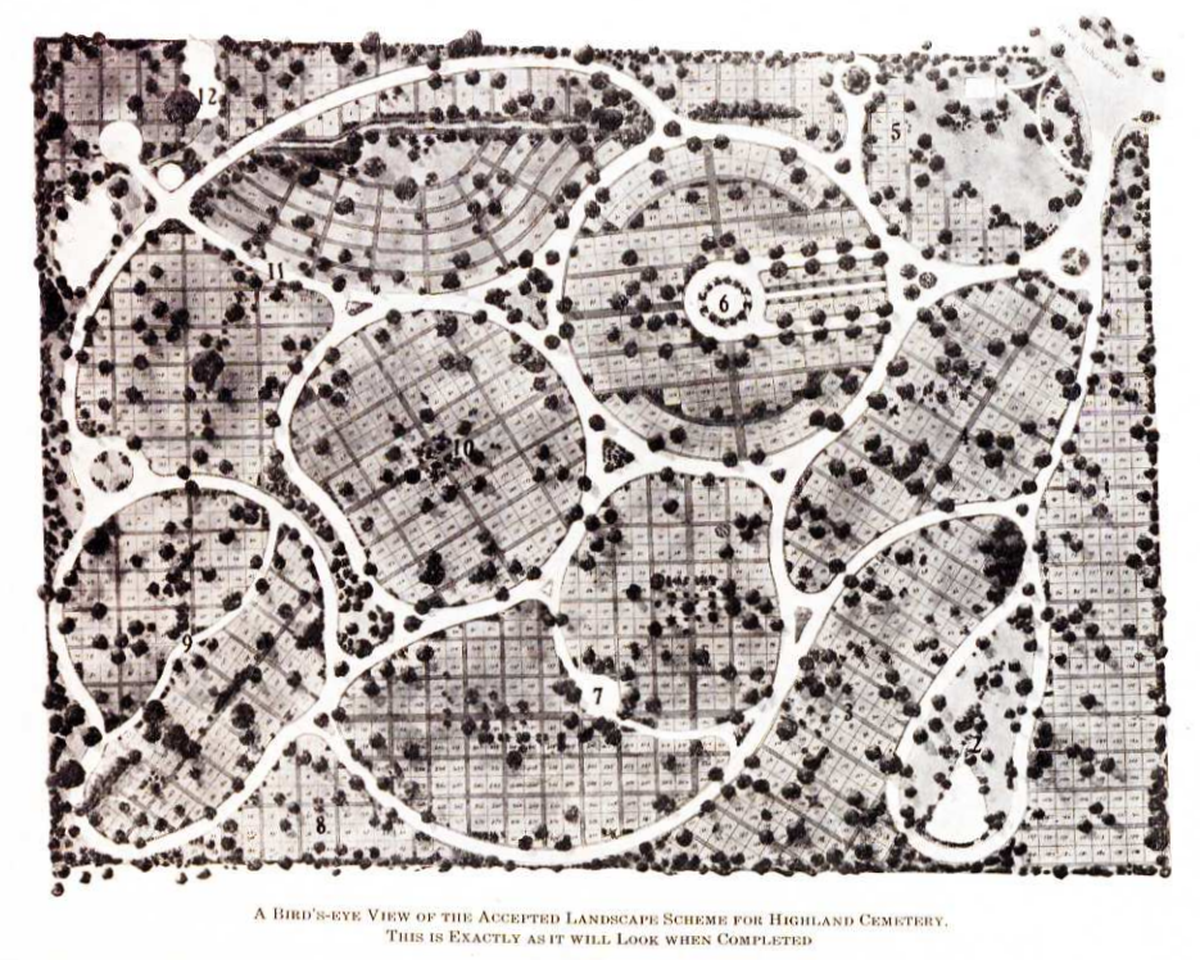
Founded in 1909, Highland Cemetery is home to local legends like jazz pianist Bennie Moten, civil rights activist Daniel Arthur Holmes and child welfare pioneer Fredericka Douglass Sprague Perry. It was the first cemetery in the Kansas City area designated for the Black community — although over the decades it has interred people of other races, too.
Highland is a relic of several bygone eras: one in which burial grounds were segregated by race, but also one where cemeteries played a more active role in community and religious life. Once overseen by a board of trustees, it has been owned since 2010 by the Jackson County Land Trust, a county-run corporation in charge of maintaining and ultimately selling hundreds of blighted properties.
Kansas Citians have complained for decades about Highland’s decline into disrepair, citing everything from overgrown foliage to illegal dumping to toppled or dilapidated headstones. The Star reported on the cemetery’s poor condition in 1984, in 1986 and again in 2014.
Although the cemetery is not active — meaning it no longer performs burials and technically has no official open hours — a small handful of volunteers and local officials work hard to keep Highland accessible to the public when weather permits it. Land Trust commissioner Mike Hunter says his group does its best to maintain Highland despite being ill-equipped to run a cemetery.
“We spend more on maintenance at Highland than we do on the rest of our combined inventory,” he said. “I personally think we’ve done a pretty good job given our limited resources, but we’re not perfect.”
‘A final redlining’
At the time Highland was founded in 1909, few other cemeteries in the city would allow Black families to purchase a burial plot so loved ones could be interred together.
“They couldn’t be buried in a lot of cemeteries, so (it was) kind of a final redlining, if you will,” said Hunter, referring to the racist housing practices of decades past that restricted communities of color from accessing home loans based on location.
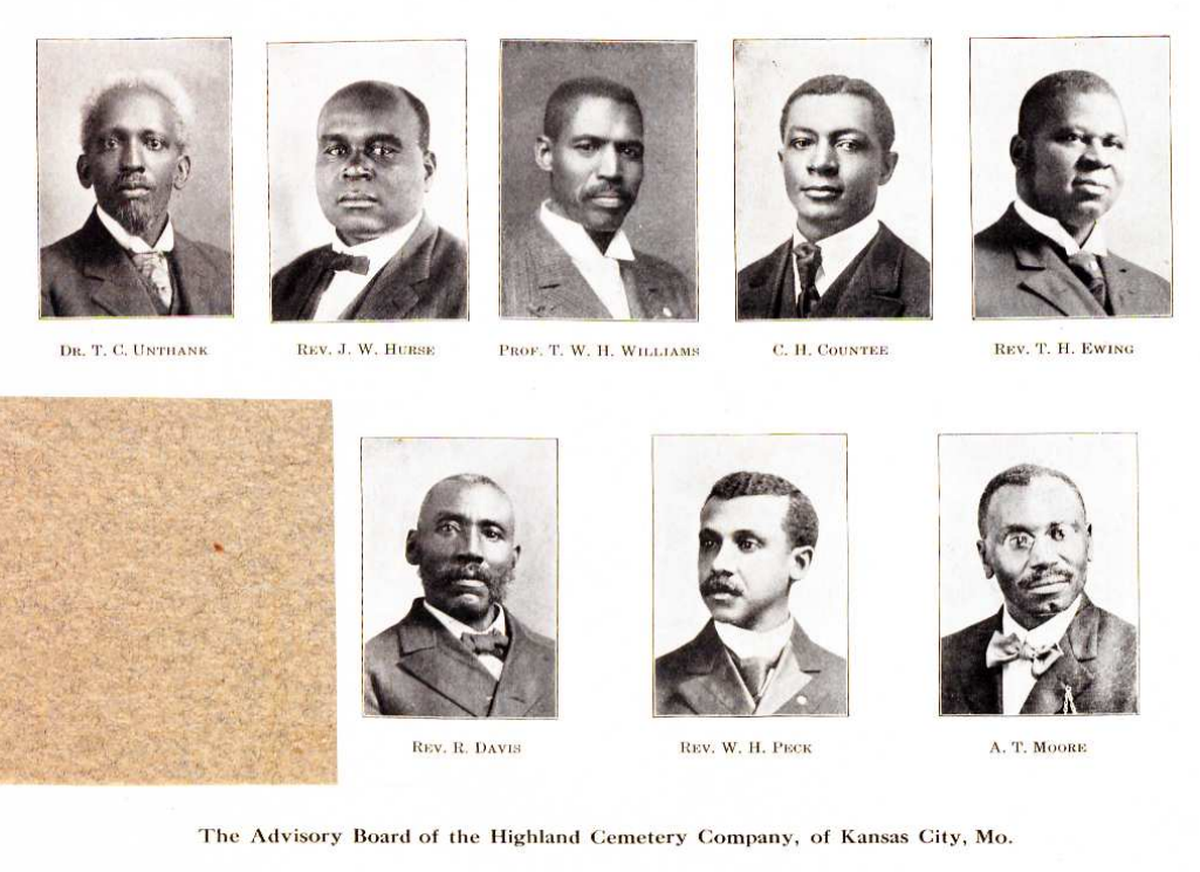
Highland’s founders — a group of respected Black clergy and business owners — aimed both to fulfill this unmet need and to establish a reputation of excellence.
“It is the intention of the management, with the loyal co-operation of the lot owners and aid of nature, to make this the most beautiful cemetery in Missouri and the finest cemetery devoted to the exclusive use of the negro race in the United States,” the cemetery’s founding document states.
To fund this ambitious goal long-term, one-fifth of Highland’s burial plots were reserved to fill a “perpetual maintenance fund” that would pay for long-term upkeep and beautification of the cemetery.
This funding mechanism was common for cemeteries at the time. But as Hunter notes, there’s really no such thing as a “perpetual” fund when a finite amount of sellable land exists.
“The perpetual thing is somewhat of a fiction,” he said. “(When) the cash doesn’t refresh itself, it’s going to run out… but you still have got to do interments, because not everyone has died that prepaid.”
Highland’s history is dotted with attempts to reverse its slide toward disrepair. In the 1980s, The Star reported that Black community leaders hoped to establish a trust fund to maintain the cemetery long-term.
In 2017, the Midwest Afro-American Genealogical Interest Coalition organized a project called the Highland Cemetery Preservation Group. The group raised enough money to do a land survey of the cemetery, but it has been inactive since 2019.
An entrepreneur even approached Hunter recently with ambitions of including Highland on a bus tour of famous jazz musicians’ graves for European tourists during the 2026 World Cup. But these plans, like the others, haven’t yet materialized.
‘We call that a win’
While it serves as a memorial for the departed, signs of life are everywhere in Highland. Deer, dog and rabbit tracks wind through the packed snow. Flowers and a small Santa Claus decoration adorn graves by the ice-clogged paths. Someone has left a stethoscope on a weather-worn statue of Jesus.
For liability reasons, Highland is never officially open to the public. But Hunter and a handful of volunteers work to keep it accessible to visitors for small gestures like these: moments of humor, connection and remembrance.
“I had a call from a lady in Minnesota three, four years ago, looking for one of her kin. And we actually located (their grave),” Hunter said. “They had a marker created, and they put it in there, and I made sure the cemetery was open (when) they came on a Saturday so they could do what they wanted. We call that a win.”
Highland still hosts visitors, from school groups that clean and research gravestones to loved ones who leave flowers and flags on Mother’s Day, Father’s Day, Memorial Day and other holidays.
“There’s people that come in there regularly and they want to see their loved ones. I don’t want to deny that,” Hunter said. ”The stuff we have to deal with out there, we’re not financially equipped to deal with it, but we do the best we can.”
It takes a village. Crews from nearby Mount Washington Cemetery mow in Highland 18 times a year and have helped to remove dead trees and fix depressions in the ground. Mount Washington also employs licensed morticians who can remediate gravesites — something that Hunter, a lawyer by trade, isn’t qualified to do.
A Blue Summit resident who works overnight also volunteers his time to help out. He locks Highland’s gates on his way to work in the evening and unlocks them on his way home in the morning, often checking for trespassers when he does. He also helped Hunter raise a new American flag in the cemetery on Veteran’s Day.
The county also steps in to help from time to time, including by refurbishing the gravel roads that snake through the cemetery. Since the Land Trust isn’t funded directly through property taxes, its budget is at the county’s discretion — and Hunter says they’ve always been understanding about Highland’s unique needs.
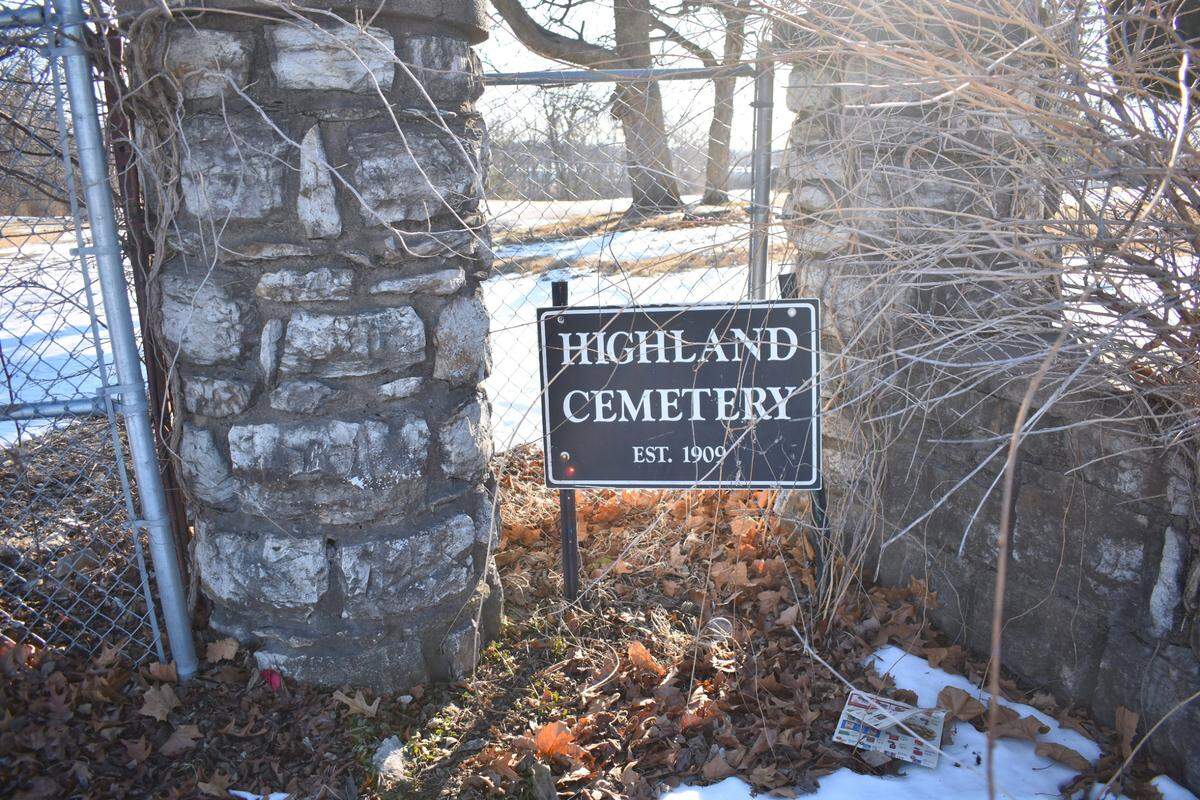
Illegal dumping has been a problem for years at Highland, with trespassers leaving broken washing machines and lighting tire fires. The cemetery’s gate regularly needs fixing and even replacing due to vandalism. But while time, weather and bad actors have all contributed to Highland’s decline from its former beauty, the cemetery still brings bright moments to those who visit it.
‘I don’t see how it’s avoidable’
Highland Cemetery’s turbulent history is important in its own right, but its story also offers a glimpse at the challenges many privately owned cemeteries could face in the coming decades.
Cemeteries owned by houses of worship enjoy tax-exempt status for being part of a religious institution. But nondenominational cemeteries like Highland are often privately owned and must pay taxes on their land whether they bring in any money or not.
This has proven a challenge, especially for historic cemeteries and those in historically underserved areas. Nearby Lincoln Cemetery, another historically Black burial ground and the resting place of jazz legend Charlie Parker, owes over $12,000 in taxes and fees, according to county records. Just down the road, Blue Ridge Lawn Memorial Gardens owes nearly $21,000.
And while XII Gates Memorial Gardens in southern Kansas City has now caught up on some of its bills, families of those buried there were alarmed to find a tax delinquency notice taped to its gates on July 4, 2024.
“I honestly hope we don’t get another cemetery, because we can’t take care of the one we’ve got how it should be taken care of,” Hunter said.
A hundred years from now, he expects many cemeteries and their famous inhabitants will fade into obscurity. But until then, communities will need creative solutions for how to properly care for those that fall into government hands.
“If we had more money, we’d put it towards taking care of it better. But I think in the short term, a lot of the cemeteries are gonna end up like Highland,” he said. “I don’t see how it’s avoidable.”
Do you have more questions about historic places in the greater Kansas City area? Ask the Service Journalism team at kcq@kcstar.com.
This story was originally published January 25, 2025 at 5:00 AM.
.jpg)