KC geneticist seeks answers and more genome testing in underrepresented communities
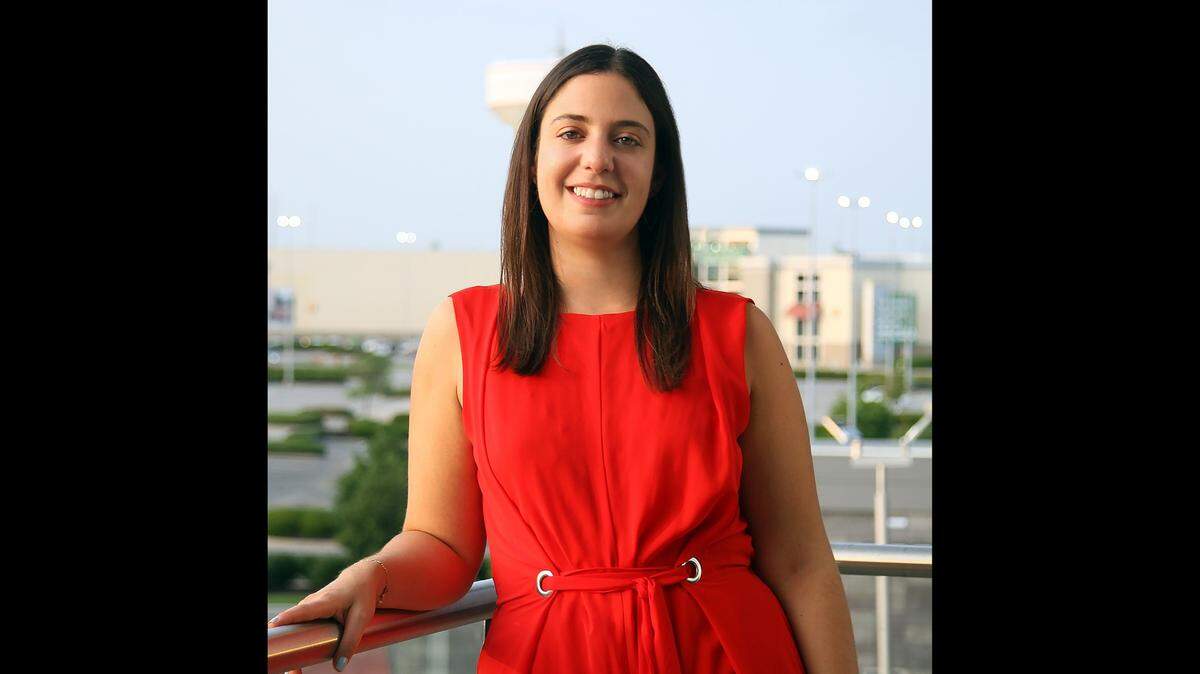
As a young child in Lisbon, Portugal, Ana Cohen was fascinated by the stories her family shared about their heritage and history. This early interest in family roots, coupled with her passion for science, ultimately led her to the field of genetic diagnostics, where she studies DNA to identify gene mutations that could lead to illness or disease.
For the past four years, Cohen has served as the assistant director of the genome testing lab at Children’s Mercy Hospital, in Kansas City, where she has focused on providing testing services to underserved communities across the Midwest.
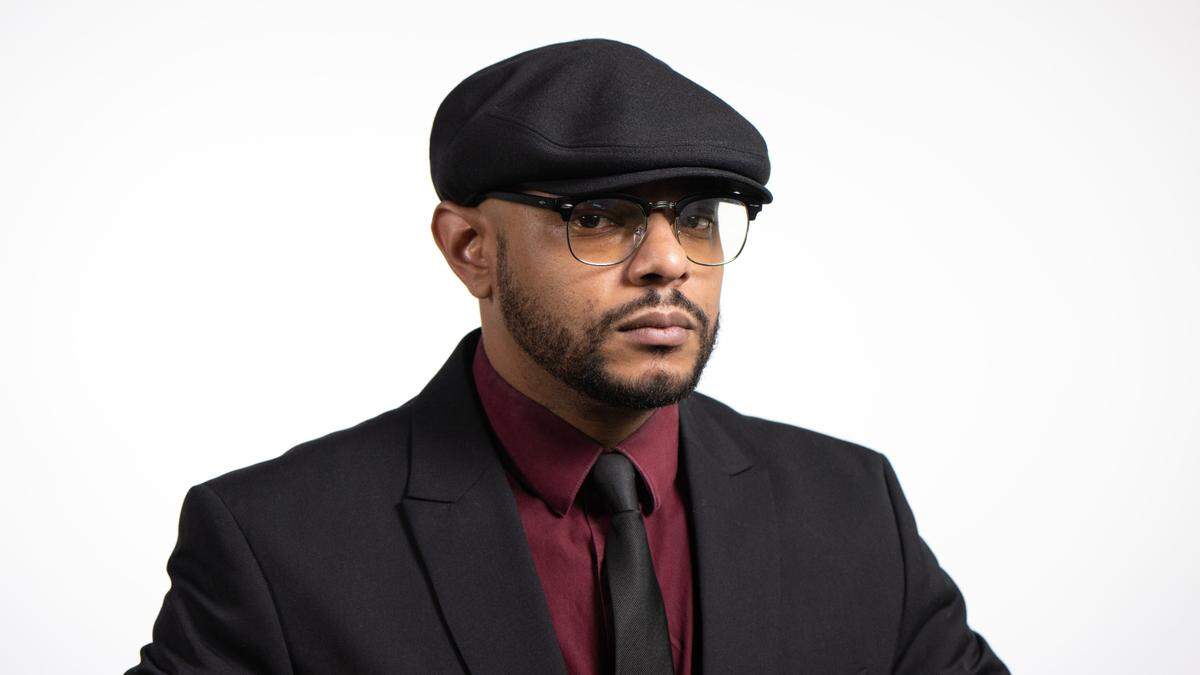
Recently, Cohen sat down with The Kansas City Star’s culture and identity reporter, J.M. Banks, to talk about the importance of genetic testing, gaps in the genetic database and making testing available to families who need it.
Banks: Can you begin by telling me about your early life and upbringing?
Cohen: I am originally from Lisbon, Portugal, which is a big city, and have been in the United States since 2017. Growing up my whole family was very close to me, including some living within a few blocks. So we had a lot of family gatherings and my favorite thing, even as a child, was to hear stories from my family.
I always wanted to know where people came from and their life experiences. In high school, they sent me home with homework that involved me drawing my family tree and asking my family questions. I was like, this will be fun because this is exactly what I’ve always liked to do. That’s when I realized that genetics might be something for me.
Can you tell me about your work?
I like to describe my work as playing detective with DNA. Specifically, what we do is look at a child’s DNA and find the reason that child is sick. We primarily focus on children who are born with either congenital anomalies or just have health issues that we believe are not just something environmental or that happens later in life. By looking at their genome, taking their DNA, extracting the data from it and looking at it, we get to kind of try and find a match.
We all have thousands of mutations in our DNA. That’s what makes every individual unique and different from each other. Most of those are benign in the sense that they don’t make us sick. They just make us different, you know, physically and emotionally, and all our traits.
Occasionally you have bad luck and one of those mutations hits a gene that’s very important for our development and that’s when you get someone who is likely to be very sick. We have to sift through thousands of pieces of information to find the right match and it is a lot of work.
What are the challenges that you face in your career?
Even though we’re generating loads and loads of data, we don’t have the tools to fully interpret all of it that we’re generating. Looking at the data and knowing what it means, that’s not very easy.
So we’ve done really good at interpreting a lot of the changes that happened within the part of the genome that we know is encoding specific proteins. There’s a lot of the genome that we either don’t know how to look at or we can see the changes, but we don’t know what they mean.
One of the tools that helps us are population databases where we are looking at these mutations that everyone in the world carries. Unfortunately those databases are extremely biased to certain populations. The interpretation of the data is not equal between populations and the initial genome studies that were originally performed primarily focused on European populations.
A lot of private companies do genetic testing but their data is not shared. So there is a lot of other populations that are underrepresented and even though the testing is actually easier for everyone to get access to we still have these gaps in data we have to fill.
How do you feel your work impacts the community around you?
My main focus right now is increasing access to it and asking how can we bring the testing to families that might not be able to get tested, or insurance maybe denied the testing even though we may provide proof that will help with their medical care.
We want families to have access to the best testing because then they have a better chance of care and their future development so we are pushing ourselves and others to encourage more families to get tested.
What is the most fulfilling part of your work?
I think the chance to be present in the room when that answer is given to parents of children that are sick. Even though we are talking about genetics and everyone thinks genetics is inherited, a large proportion of genetic changes happen completely spontaneously during the development of the fetus and is not actually coming from a parent and we call that a de novo mutation.
We get to explain to parents that it’s not their fault that it was completely random and seeing the relief is immense. Once parents have the answer they can put a name to what their kid has and know how to fight. They can also find other families that are going through the same thing to make connections and a community of support. That is really inspiring to me.
Do you have a personal motto or philosophy that guides you?
Not like specific words, but just reminding myself to do the best that I possibly can with the knowledge that I have currently and that’s what I am doing.
What are your goals for the future?
Genome sequencing has become easier, in a sense, in terms of it being cheaper, quicker, and more efficient than before. So the vision that I have is that every single family that has a child suspected of having a rare disorder should just get given this test for free.
The goal is to try to get funding to offer more testing while expanding the database. The more people we have in the database the more information we have to interpret what is going on.
What advice would you give to someone who is looking to follow the same career path as you?
Do not be afraid to talk to everybody around, is truly the best advice I can give. That is how I discovered what was a good fit for me.
For more stories about culture and identity sign up for our free On The Vine newsletter at http://KansasCity.com/newsletters.