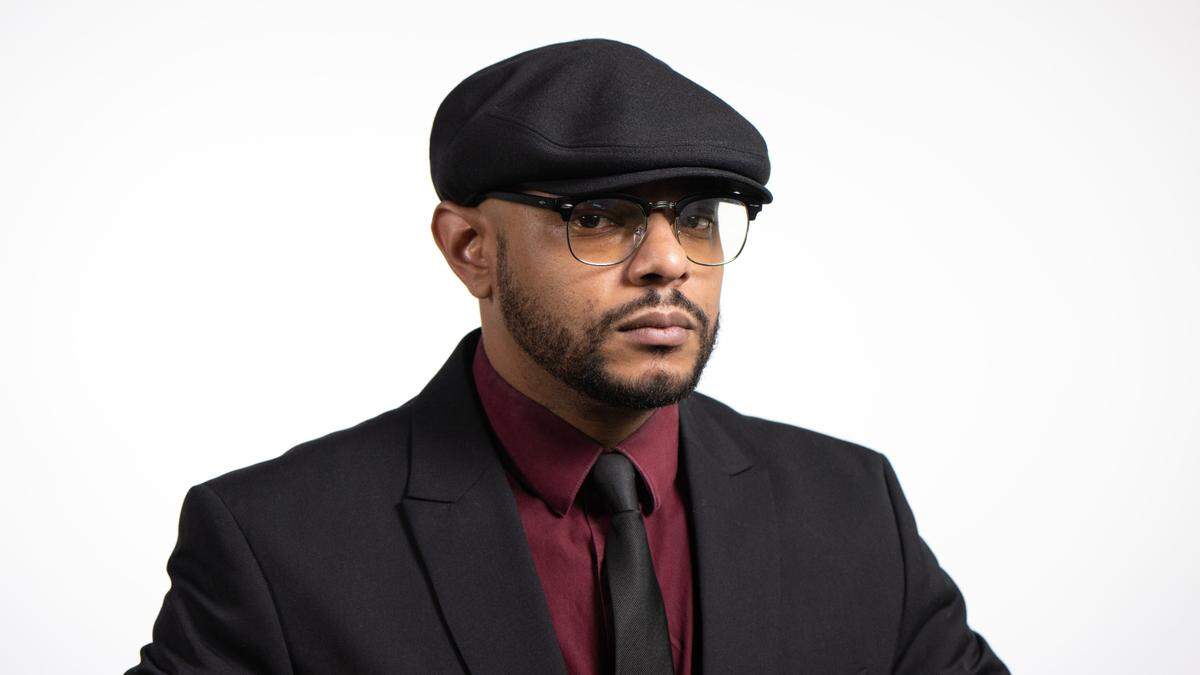
Kansas City Muslim leader builds bridges and challenges misconceptions about Islam
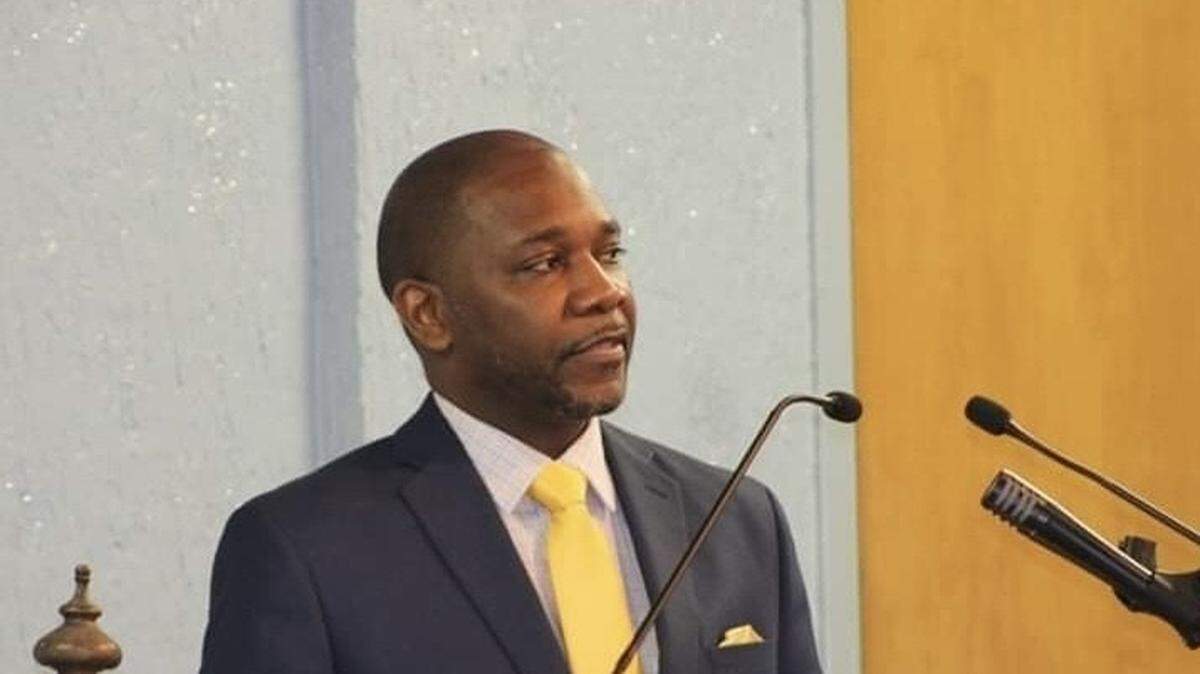
Sulaiman Salaam Jr., the Imam at the Al Haqq Islamic Center, has dedicated much of his life to educating others about Islam.
Raised in a Muslim household in Kansas City and attending Islamic school through eighth grade, Salaam encountered significant culture shock when he transitioned to public school. This experience not only helped him form friendships with people of different faiths, but also exposed him to new perspectives and beliefs, broadening his understanding of the world.
In the 19 years that Salaam has devoted to serving as an Imam, he has put tremendous effort toward challenging misconceptions about Islam and Muslims. He accomplishes this through community outreach and by fostering relationships with local faith leaders, aiming to address the broader needs of the city.
Recently, Salaam sat down with The Kansas City Star’s culture and identity reporter, J.M. Banks, and talked about how the lack of knowledge others have about his faith has often led to him feeling like an outsider. He also talked about finding understanding through learning and the importance of all faiths working together for the common good.
Banks: Can you begin by telling me about your early life and upbringing?
Salaam: I grew up with a two-parent household, which made a big difference I think in my life. My father was very active in my life and helped mold, shape and develop a lot of principals and morals I have today. I grew up Muslim, even went to Arabic Islamic school all through elementary school. Then when I was in the eighth grade, I ended up going to public school and attended Lincoln Middle and High School. It was a drastic change for me going from an Islamic school environment into a public school because I seemed very different than everyone else.
The environment wasn’t friendly to me initially and I felt like an outsider. As I spent more time there I ended up becoming a real popular guy in high school and ended up making a lot of friends and got to know a lot of different people. I kind of grew up in this bubble, everyone who grew up around me thought like me and believed the same things as me and it was interesting to start public school.
Can you tell me about your work In terms of what you do as an Imam and what we do at our Islamic center: first and foremost my role is to be the leader of prayers and give Islamic education and instruction. Next to that we also engage in a lot of community work. Even before I was Imam I was very active in the community and I worked for the Adhoc Group Against Crime for 12 years as program director under Calvin Neal and Alvin Brooks.
For the past 19 years that I have been Imam we have been hosting what we call Project Neighborhood Needs. We do things like every year on the Saturday before Thanksgiving we always give away turkeys and dinner items for Thanksgiving meals. Throughout the year we have projects where we give away clothes and shoes to families who are in need. All of our projects are based around answering the needs of the people in the community. I participate in a lot of interfaith work so my work is to teach and educate not just Muslims but also those outside the community about what Islam really is so we can build relations with people of other faiths.
Why do you feel it is important that leaders of faith work together?
I think it is important that we build relationships with other faiths so we can work together cohesively as people who believe in God, who want the best for the community. When we can work together without all the bickering and arguing that goes along with a lot of different religious faiths, we can get more work done. We want to work together and interfaith work is really one of my favorite things about what I do.
What made you want to go into those particular areas for a career?
Because of my experience growing up, I wanted to be a person who could share who Muslims were. I grew up with a lot of misconceptions about Islam and Muslims so that encouraged me to do community work and interfaith work.
What type of misconceptions have you encountered in your experiences?
I mean it goes back to when I was younger. One example is there was this girl I liked who said to me that her pastor told her that if I didn’t accept Christ as my savior I was going to hell. I was really digging her and I knew she was sincere and wasn’t attacking me. That led me to studying Christianity and all kinds of faiths. I began to see that we have more in common than we think at the end of the day. I found that we all have different perceptions of the truth and take different courses and different paths to reach the same goal. I was blessed to see the oneness of God and still strive to learn and teach more so we can better work together.
The major things that we’ve experienced in the past several years was that Muslims were terrorists or Muslims were extremists. I believe that there are extremists and potential terrorists in all faiths. Islam means peace in Arabic and it is about following a path that leads to peace.
What are the challenges that you face in your career?
I think those misconceptions about Islam and Muslims have been a hindrance in some respects to doing the work that I want to do in the community. When I started doing Project Neighborhood Needs, around the same time that 9/11 happened, I was trying to get grants to do work in the community and I was initially denied. The impression that I received while applying was that they thought this was some organization that was going to promote radicals or terrorism. We told them that the organization was meant to build bridges in the community and teach about authentic Islam. That is when I learned there was a misunderstanding that authentic Islam was extreme and radical. Over the years that has created a barrier and a hardship for me trying to do more community work.
How do you feel your work impacts the community around you?
Dispelling misunderstandings about Islam and Muslims, leading people to a better understanding about who we are and what we are about. I think our work impacts people who are able to get assistance who might need help. I serve as one of the chaplains for the (Kansas City) City Council in rotation with other faith leaders in leading the council in prayer and I enjoy that work as well.
Do you have a personal motto or philosophy that guides you?
Just do the best that I can to keep my balance and please God.
What are your organization’s goals for the future?
Our goal for every year is to get more engaged in the community and to do more to help people who are in need. I personally would like to continue to do interfaith work and establish our faith community as a role model for other places. We want to be the example not just as religious leaders but as members of the community who are supporting each other to provide resources to our communities. I would like to see more interfaith work going on here in Kansas City.
What advice would you give to someone who is looking to follow the same career path as you?
I would advise them to study, be sincere and always continue to strive to learn.
For more stories about culture and identity sign up for our free On The Vine newsletter at http://KansasCity.com/newsletters.