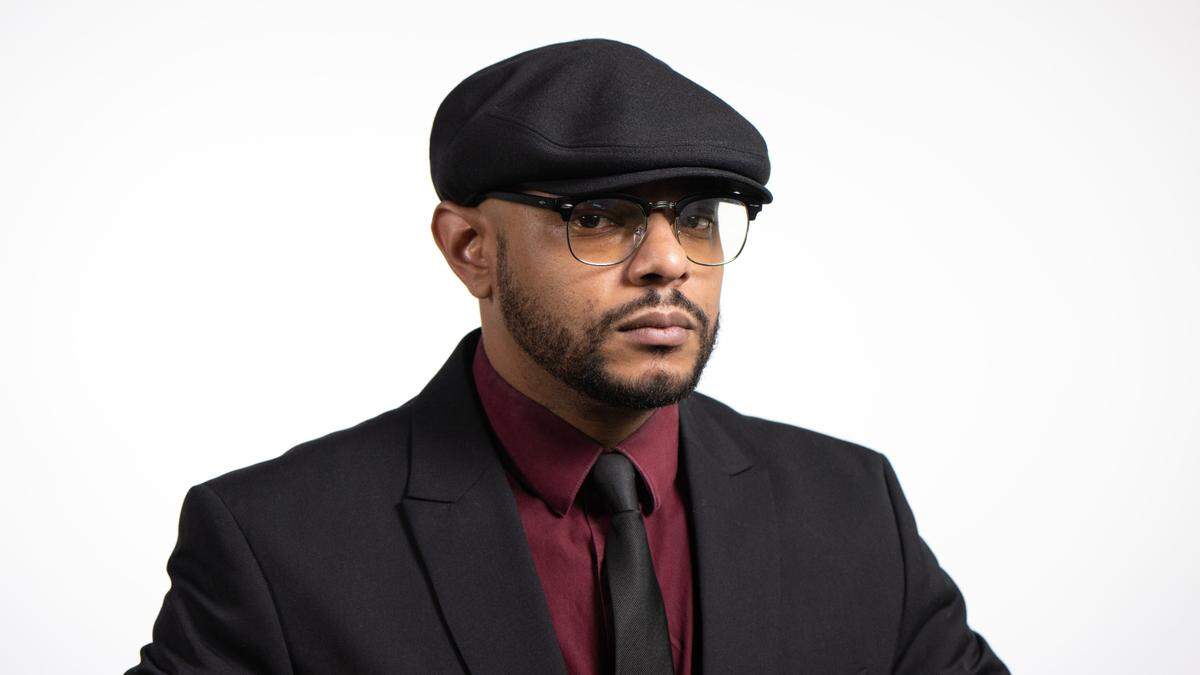
This KC activist has always battled bullies. Now she is fighting for LGBTQ rights

Moon Glasgow-Brown was just a kid when she recognized her calling as an advocate who looked out for the vulnerable. She was the one standing up against the playground bullies who terrorized smaller, weaker children.
As an adult, her experiences — witnessing domestic violence, living as a queer Black woman, and navigating within her communities —solidified her dedication to fighting on the front lines for liberation of oppressed peoples.
For the past twenty years, Glasgow-Brown, 41, has been deeply involved in fighting for equal rights and freedoms for Black and queer persons and women.
She sits on a several boards for organizations that also are doing this work and has served as an advisor and consultant for several community organizations, building her career focused on education and equality.
A year ago, after stepping back from the relentless fight for queer and Black rights, Glasgow-Brown began focusing on the next chapter of her journey — ensuring that fellow freedom fighters like herself have the resources to heal and process their experiences effectively.
Recently, Glasgow-Brown sat down with The Kansas City Star’s culture and identity reporter, J.M. Banks, and talked about the need to advocate for the voiceless, finding her passion for activism and creating a healing space for those fighting for liberation.
Banks: Can you begin by telling me about your early life and upbringing?
Glasgow-Brown: I am an army brat and I was born in Eastern Germany but I moved here when I was 12 and grew up in Kansas City. I grew up with both parents in the household and was drawn to art and activism at a very young age. When I was a kid I was always speaking up for other children who were being bullied, mistreated or silenced.
As I got older and experienced more things in life I started to get involved with the movement in different ways. I saw domestic violence in my household growing up which is why I first started off working in domestic violence, sexual assault and hate violence. I spent a lot of time doing work in that sector. I then began to move more towards social justice and liberation work. I found myself in several high ranking leadership roles advocating for people.
Can you tell me about your work?
I am a nonprofit consultant so I work with a lot of different community organizations. I am currently working with the 18th and Vine Arts Festival Foundation, Show Me You Care KC and Pride on the Vine. I do a lot of work training, specifically around LGBTQ inclusion, gender expression and bullying, for places like the U.S. Department of Immigration, the Department of Agriculture, University of Kansas Medical Center, Children’s Mercy and the Kansas City, Missouri school district.
What made you want to go into those particular areas for a career?
I have been involved in activism for two decades now and I got involved because of my identity as a queer black person who wanted to create a space for other Black queer people to feel safe and to have a voice.
I became very interested in trauma and specifically the trauma experienced by survivors and victims of violence. The more I learned the more I started to recognize the layers involved and how much deeper it went. I started to learn about compounded trauma, systemic trauma and that really compelled me toward activism and the liberation work which ended up with me on the front lines of a lot of different movements in the Black and queer communities.
What are the challenges that you face in your work as an advocate?
There are a lot of challenges we face as activists and people who do liberation work. We are often up against a system that oppresses us and our people and that can take a toll on you. It impacts your physical and mental health, and that is one of the biggest obstacles I have had to face. Several years ago, like 2018 or 2019, we had several back-to back deaths of people in our community, specifically Black trans women. These were people I knew and saw and losing people or seeing them be harmed is another hard part, probably the hardest part.
How do you feel your work impacts the community around you?
The most fulfilling aspect of my work is seeing the young people that I worked with back in the day and seeing them thriving today. Seeing those people that I provided advocacy for and the space they have carved out in this world is the most rewarding part for sure.
What is the most fulfilling part of your work?
Working to create these places where people like me and people in my community can come and feel love and acceptance. Knowing they can go places and feel safe, especially with the political climate today.
Do you have a personal motto or philosophy that guides you?
When we heal ourselves and center our joy in love I believe that we weaken the roots of oppression and in turn strength into the foundation of liberation.
Do you have a memorable achievement in your personal journey thus far that stands out?
I am usually behind the scenes so anytime someone has nominated me to represent my community is big for me. I think being selected to serve as the first chair for Kansas City’s LGBTQ Commission was a huge honor. I was also the chair for the National Anti-Violence Coalition. I was invited to Washington, D.C. to be a part of a round table discussion on advocating for LGBTQ survivors a few years ago. Another key moment is, recently, when I helped put together the first ever 18th and Vine Arts Festival and Conference.
What are your goals for the future?
I am excited to continue to push and create spaces of joy, love and healing for Black and specifically Black queer and trans people. I am also working on launching Moonlight Godis, which I don’t know if I would call it a business. It’s more of a movement dedicated to fostering love, healing and liberation rooted in spirituality, creativity and community care. I am getting ready to launch different seminars, workshops and workbooks centered on ensuring those who are working on the front lines of liberation can find space to heal from the constant struggles and fighting.
What advice would you give to someone who is looking to follow the same career path as you?
Take time to rest and take some time to love on yourself. You could be overworked or burnt out and it could cost your health, your mental health and your happiness. So definitely take time.
For more stories about culture and identity sign up for our free On The Vine newsletter at http://KansasCity.com/newsletters.