
Is it legal to give homemade food to those in need in Kansas City? What local laws say
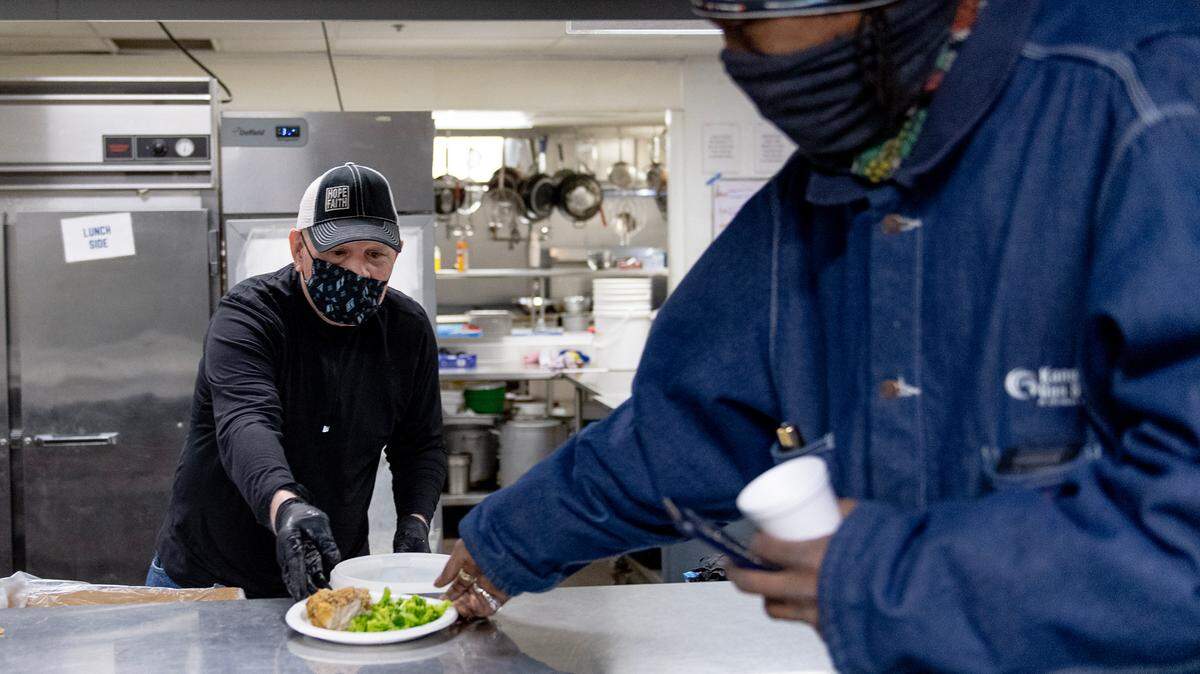
The holidays are close at hand in Kansas City, and residents are already thinking about the reason for the season: delicious, homemade meals.
Whether you’re sitting down to a Thanksgiving feast or thinking ahead to the winter holidays, Kansas City’s home cooks are working to prepare family-favorite casseroles, stews, soups, hot dishes and more.
But who can Kansas Citians share these homemade meals with? The answer can get a little complicated, thanks to Missouri’s cottage food laws that dictate which homemade treats can be “sold, sampled or served” in Kansas City and beyond.
Here’s what to know before you start cooking for that charity potluck or soup kitchen holiday meal in Kansas City.
Can I serve homemade food to others in Kansas City?
Kansas Citians can sell or give away a small selection of foods made at home — but they cannot sell or serve hot food to the public unless it was made in a commercial kitchen setting.
Hot food is considered “potentially hazardous” if it’s made in a home kitchen, Kansas City spokesperson April Leonard said. While homemade dishes can be shared privately between friends or at potluck-style gatherings, they can’t be distributed to the public.
“Hot meals are potentially hazardous foods and are not allowed under the cottage food law administered by the State Health Department,” she wrote in an email. “Only non-potentially hazardous food items can be prepared in a home kitchen and served to the public.”
Under Missouri law, non-potentially hazardous foods include:
Baked goods like breads, cookies and fruit pies
Shelf-stable goods like jams, jellies, preserves, fruit butters and honey
Sorghum, a gluten-free grain substitute
Cracked nuts
Packaged spices and spice mixes
Dry cookie, cake, bread and soup mixes
This list is why you’ve likely seen home bakers pop up at your local farmer’s market, but don’t often see home cooks giving out chili from a slow cooker: State and local laws treat these foods differently.
State law specifies that in order to be sold or handed out, the foods listed above must be labeled with the name of the food, its weight, a list of its ingredients and the name and address of the person who made the food and a statement saying it was made in a kitchen not subject to inspection by the Missouri Department of Health and Senior Services.
Kansas has similar laws around selling homemade baked goods and other foods. In general, you need a license in Kansas to sell anything that has to be refrigerated. Check the state Department of Agriculture’s website for more information.
How can I share hot food with others in the Kansas City area?
If you’re looking for the opportunity to share a giant pot of chili or a family hot dish recipe with your community, plenty of organizations around Kansas City are equipped to do just that.
That’s because they have access to commercial kitchen settings where hot food can be legally prepared for public consumption.
While a hot dish made at home can certainly be shared at a private gathering like a Thanksgiving potluck dinner, these organizations make it easy to prepare hot food for public consumption without running afoul of cottage food laws.
Here are a handful of spots where you can find a hot meal for yourself or volunteer to cook or serve hot food to those in need:
The Nourish KC Community Kitchen serves a hot lunch Monday through Friday at 750 Paseo.
St. Mary’s Food Kitchen serves a hot lunch 365 days a year at 645 Nebraska Ave. in Kansas City, Kansas.
Morning Glory Ministries serves breakfast six times a week at 416 W. 12th Street.
Food Not Bombs KC serves a hot vegan meal every Sunday at Independence and Monroe in the historic Northeast.
Center of Grace in Olathe served hot dinners on Wednesdays and Thursdays at 520 S. Harrison.
Do you have more questions about volunteer opportunities in Missouri or Kansas? Ask the Service Journalism team at kcq@kcstar.com.
.jpg)