Kansas City’s new Wellness Court can help people get their charges dropped. Here’s how
Kansas City Municipal Judge Martina Peterson opened a recent court session by telling defendants, “We care about you.”
Some had a diagnosis like bipolar disorder. Others had both mental health and substance use problems that, at least in part, contributed to the behavior that landed them before the judge. Many of the people who land on the docket have been charged with low-level offenses like drug possession, theft, trespassing, property damage or disturbing the peace.
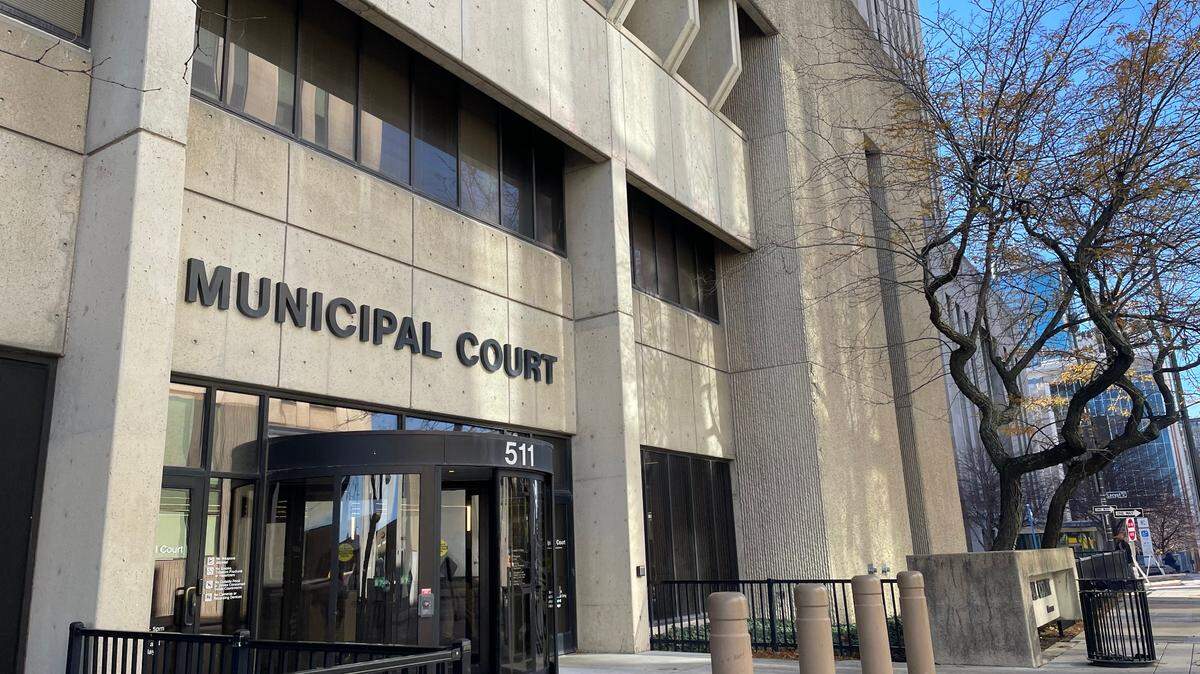
The overlap between the two is why Kansas City Municipal Court is merging its Mental Health Court and Drug Court to form an umbrella Wellness Court starting in January. The alternative courts provide an opportunity to get at the root of behavioral problems. If participants successfully complete the treatment programs, their charges are dropped.
“Almost everyone on both programs has co-occurring issues,” said Municipal Judge Courtney Wachal, who presides over Drug Court and will take over the new court. “Right now, the screener is trying to make the best judgment and then send them off. But a lot of times what happens is down the road, they end up getting sent to another one and then it’s a kind of like too long of a delay in their meaningful engagement and treatment.”
During court, about a dozen defendants appeared before Peterson with Legal Aid or case workers from different community organizations. One man who had repeatedly tested positive for fentanyl tested negative. Those who are making progress get to spin a wheel and choose a prize from bins containing toiletries, gloves, books and other items. Another woman who had been living in her car had just gotten into an apartment.
Why lock people up when you can get them help, Peterson said.
Kansas City has a lot of treatment courts, she said, which can prevent people from falling further into the justice system.
It’s one of the “more progressive courts I’ve ever worked for,” she added.
Problem-solving courts
People charged with crimes can request an assessment and if they qualify, are placed in a specialty court. Instead of going through a court case and sentencing, the specialty courts involve regular programming over a set period of time. Kansas City also has tracks for veterans and those with domestic violence cases.
The problem-solving courts requires a treatment plan, which can include inpatient services, and drug testing. Participants have to show up for their court dates and cannot be charged with a new crime. Much of the funding is through grants, such as one from the Substance Abuse and Mental Health Services Administration, or SAMHSA.
According to the agency, about 21.5 million adults in the U.S. have mental health and substance use disorders, but about 10% receive treatment for both.
Case workers help the defendants in other areas of their life, including access to education, jobs and housing. The program takes a multi-disciplinary team, including community service providers, the court, prosecutors, defense attorneys and probation officers.
Drug Court lasts at least a year, and Mental Health Court for a minimum of six months, though that will increase to a year under Wellness Court.
“Really to have them to be self-sufficient and leave the program with the best chance of success, it takes about a year anyways,” Wachal said. “The goal is so that they don’t have to come back, they have what they need.”
Wachal said the specialty courts are a service to the individuals and to the community in terms of increasing public safety.
A Women’s Court, funded by a Department of Justice grant, will launch in March under the Wellness Court. Municipal Judge Shayla Marshall, who will preside over that program, said women’s needs are different, especially those who have been victims of trafficking or sexual abuse.
Marshall said the specialty courts see defendants who are impacted by trauma. Often, they deal with that by using substances. Then when they don’t have money to buy drugs, they commit offenses like property crimes.
“It is just a never ending cycle,” she said. “So the incarceration is not always the best solution to that because it doesn’t treat the actual problem, the source of the problem. So in order to build trust, we have to show that we’re willing to listen to their stories.”
Wachal said people can also be distrustful of the legal system.
“So that’s also part of the work that we’re trying to do, is to show with our actions that we want people to succeed, that we don’t want to put you in jail. But that takes time.”
Kansas City’s Mental Health Court dates back to 2002. In the last fiscal year, from May 2023 to April 2024, 69 people enrolled in the program and 35 graduated, according to an annual report.
During Judge Peterson’s court session, she announced one man had completed the program. She recognized that he had stayed drug-free and showed up for court throughout the year. He was met by a round of applause and received a certificate. His charges will be cleared from the record.