She tracked her stolen dog to a KC animal shelter, but it won’t give him back. She’s suing
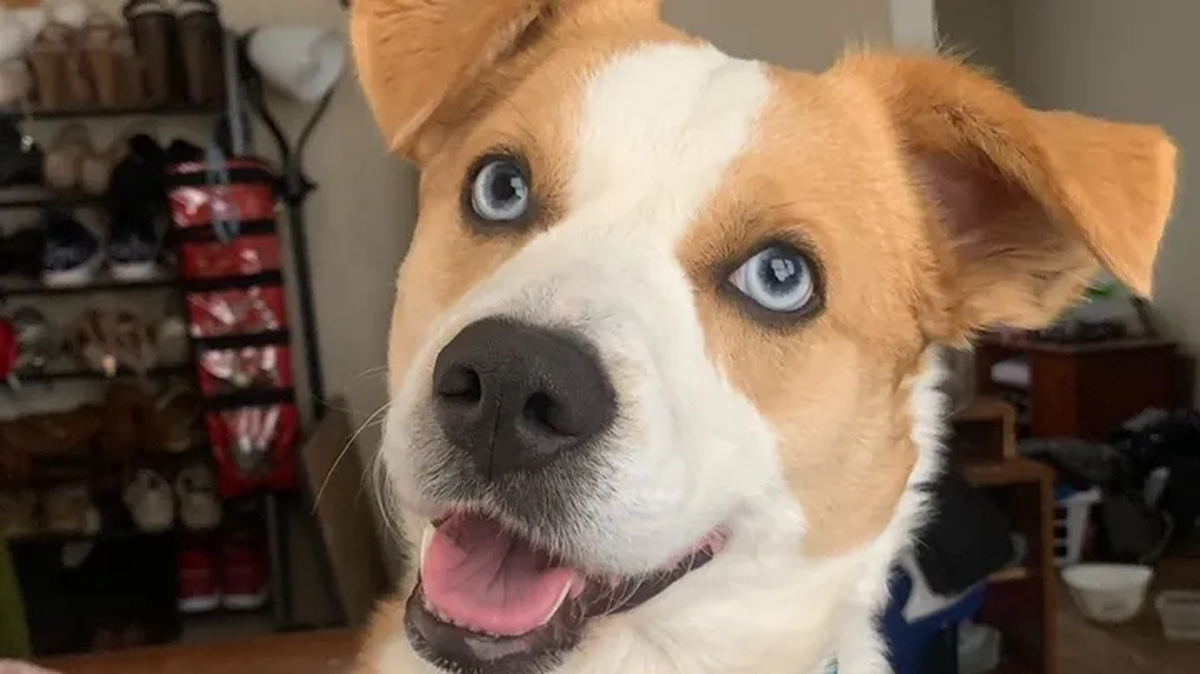
Courtney Baird has been heartsick since last December, when she learned her dog Jaxon had been stolen from her relatives’ fenced-in backyard. They’d been watching him while Baird was in the hospital.
Along with her grief is the outrage she feels toward the Kansas City animal shelter that refused to return Jaxon when she discovered he had ended up there and been sold to another family.
“Wayside Waifs, in so many words, told her to get lost,” said Alex Sprenger, the attorney who represents Baird in a lawsuit he recently filed on her behalf against that animal welfare organization in Jackson County. “They would not tell her anything about where her dog was, who had the dog, would not return the dog to her.”
The suit is the most recent development in Baird’s nearly year-long quest to find her best pal of six-plus years and bring him home to Keefton, Oklahoma, a small town 11 miles south of Muskogee.
Upon leaving the hospital last December and learning of Jaxon’s disappearance, Baird ran ads, put up posters and blanketed the internet with pleas for help.
Through Facebook posts, phone calls and eventually an open records request, she was finally able to locate Jaxon early this year by tracking him across three states — from that backyard to a Waffle House parking lot in Oklahoma, to an animal shelter in Arkansas and finally to Wayside Waifs, which bills itself as “Kansas City’s largest and most comprehensive no-kill pet adoption campus.”
And when she asked Wayside Waifs to turn him over, she was stonewalled, her lawyer said. Jaxon had been adopted by a family with kids, and that was that, as far as the shelter’s managers were concerned.
They said so in a Facebook post last March after being slammed by critics on social media, where Baird had publicized her plight.
“We feel for all parties involved in Jaxon’s (sic) situation,” that post began. “Wayside Waifs has followed all state and local laws in this matter. We have been in communication with all parties, including law enforcement, the original owner, the previous animal shelter that Jaxon received care at, and the adoptive family. We have followed all protocols, and no further action is needed.”
Baird thought differently. And so on Oct. 18, she filed litigation asking a judge to overrule the shelter’s decision and reunite her and her dog, who now lives with the unidentified family that adopted him.
“She was pleading with, I think, one of the directors over the phone,” Sprenger said, “and when she mentioned that Jaxon was basically her kid, they were very harsh on her. They brought up the fact that she didn’t have kids, and so the dog was probably happier living in a family with kids.”
Wayside Waifs responds
Asked to comment on the lawsuit, Wayside Waifs President Kathryn Mahoney issued a brief written statement that did not address the specific allegations.
“We empathize with all pet parents that have lost their pet at some point,” she wrote. “We will be cooperating with all parties to come to a solution. At this time we have no further comment.”
The court filing was timed to beat a deadline set out in Missouri law that, according to Baird’s lawyer, requires animal shelters to reunite lost pets with their owners if those owners make their requests within a year.
Jaxon is a cute pup with tan and white markings, ears that flop over and a friendly face that says “hug me.”
Not only does he have that going for him, but Jaxon is, according to the lawsuit, an Australian Shepherd. It’s one of those breeds that is having its moment, as Corgis have recently had theirs.
“This breed of dog is highly desirable and easily sold for profit due in part to their capacity to learn and desirable personality,” the lawsuit says.
The suit alleges, without evidence, that both Wayside Waifs and the Arkansas shelter might have sold Jaxon for a premium price, and that was the reason they were reluctant to return the dog to Baird.
Wayside Waifs did not respond to that allegation. But in its Facebook post last March, the organization said much of this could have been avoided had shelter workers in Arkansas and Kansas City been able to identify who Jaxon’s owner was at intake. His collar and tags were missing, and there was nothing else to go on.
“This heartbreaking situation highlights the importance of microchipping and pet identification,” Wayside Waifs said, referring to what has become standard procedure in many if not most pet adoptions these days.
Veterinarians or shelter workers inject a tiny microchip containing a unique identification number under the skin of a dog or cat. That number is matched to the pet owner’s contact information in a database.
“More than 3 million stray pets found themselves in shelters across the country last year,” Wayside Ways said on Facebook. “For those lost pets that are microchipped or have ID tags, dedicated and compassionate shelter staff and volunteers work relentlessly to reunite pets with their families.”
Jaxon wasn’t microchipped, but Sprenger said that does not excuse Wayside Waifs for refusing to return Jaxon to his client when she established ownership within a few weeks of his adoption to a new family.
Dozens of people agreed with his take after Baird relayed her dog’s story on Facebook and the GoFundMe site “Justice for Jaxon” to raise money for her legal fees.
“Absolutely shameful behavior Wayside Waifs Inc. Burn in animal hell,” was one of the harsher comments on Facebook.
“I would lose my mind if I was going through what Courtney is going through. I pray you get enough to bring your furbaby back home where he belongs,” someone else wrote on the fundraising site.
The first hearing in the case is set for 9 a.m. on Nov. 27 before Judge Janette K. Rodecap.