Black newspaper sells historic Kansas City building in 18th & Vine: What we know
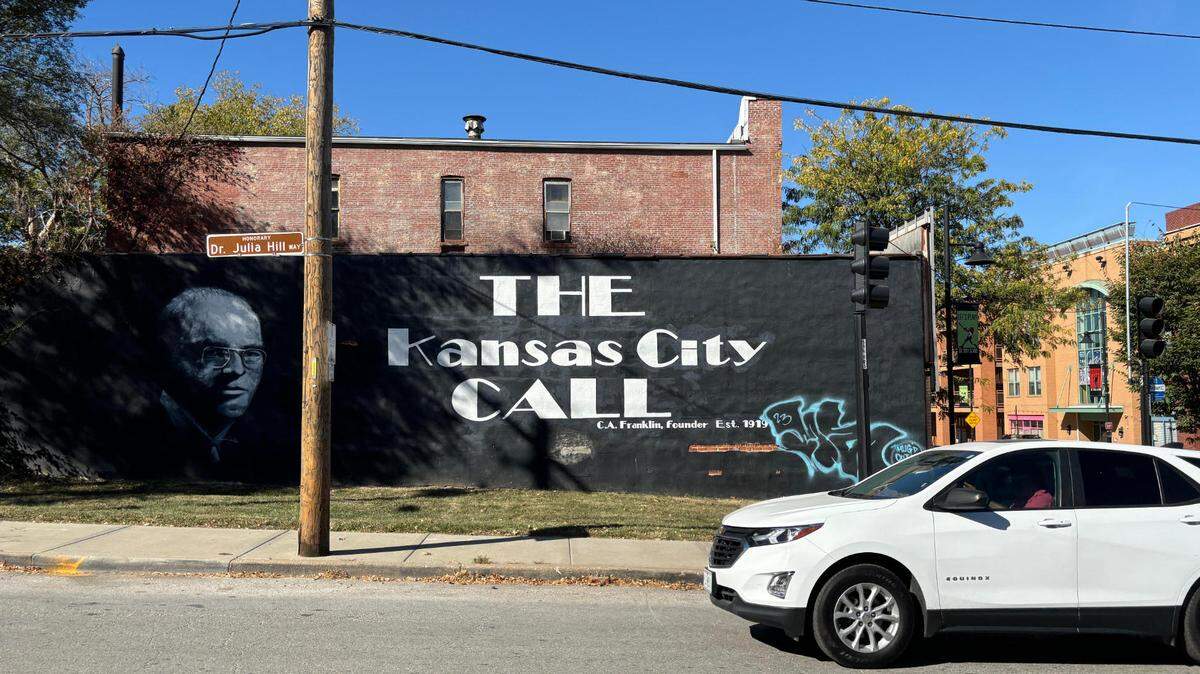
The Kansas City Call Company has sold the Black community newspaper’s historic building in the 18th and Vine District.
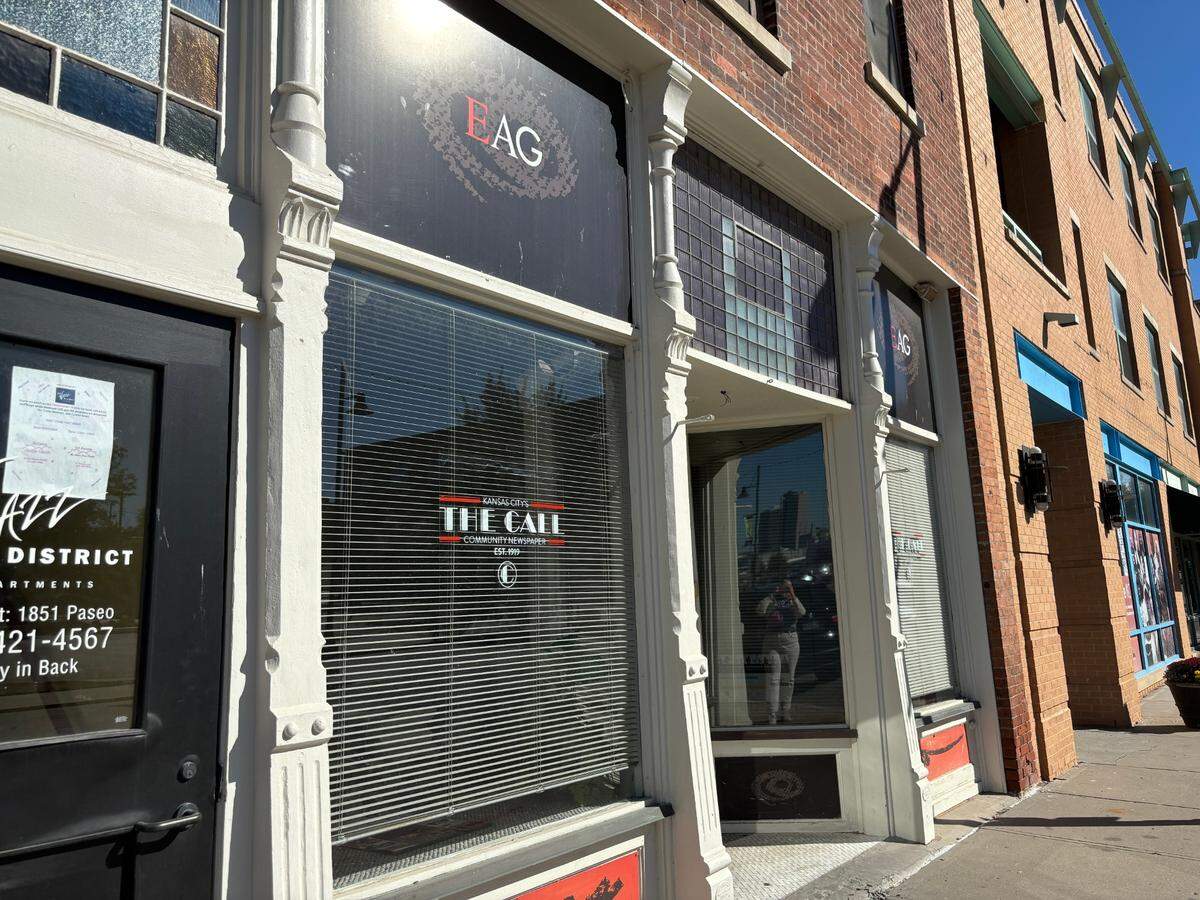
For almost a century, members of Kansas City’s African American community went to the corner of 18th and Woodland to drop off obituaries, place ads and share community news with reporters. Three years ago, the newspaper staff moved to a new storefront two blocks away.
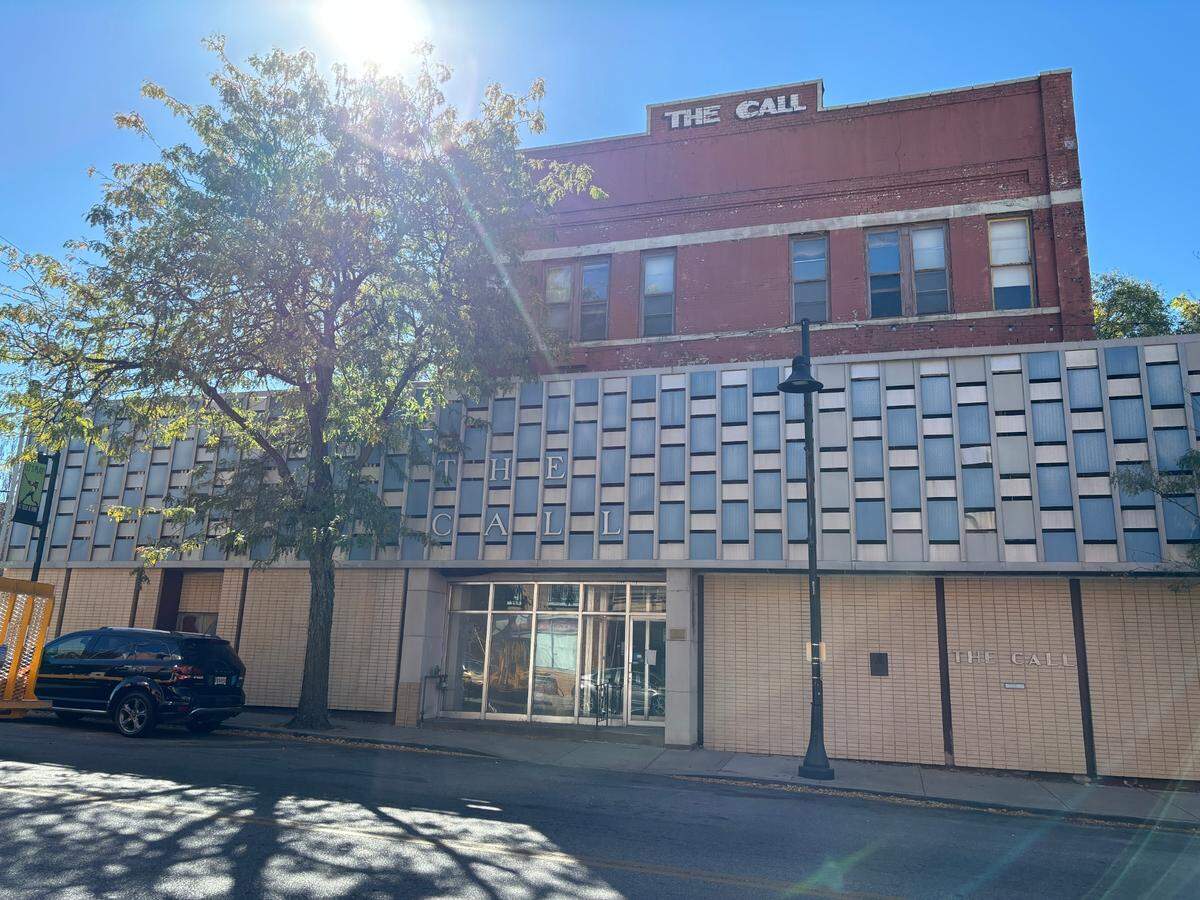
The historic Call building at 1715 E. 18th St. was sold to Aetas Development LLC on Oct. 9, according to documents from the Jackson County Recorder of Deeds. The company, which has mailing and physical addresses listed in south Kansas City, has remodeled a number of homes in the Kansas City area since 2017.
Aetas Development took out a $124,000 loan for the structure, but the exact purchase prices was not disclosed. The building has a total market value of $166,200 in 2024, according to Jackson County.
Daryl Edwards, a representative for Aetas, told The Star that he is in the “very beginning stages” of development and did not want to reveal plans for the building until they were finalized. The Call building will be the company’s largest commercial project yet.
In 2009, Edwards pleaded guilty to federal charges as part of a $12.6 million mortgage fraud scheme involving properties in Lee’s Summit and Raymore.
“I’m not the same man that I was 15 years ago,” Edwards said. He was sentenced to five years probation and required to pay $290,000 in restitution.
Edwards said that the Black community “can just trust that I’m not the person that I was in the past, and that I’m on a positive momentum to do good things for that area.”
Jason Joseph, The Call’s distribution and sales manager, arranged the sale with his real estate agent. He said the almost 11,000-square foot building needs significant repairs.
“My whole sole purpose is to keep The Call in good fitting, and in good with the community, and to make it a paper that will continue on into the future beyond me — and holding on to that building is not going to help us do that,” Joseph said.
Last week, he said a steady stream of readers shared reactions from understanding to outrage at the new Call offices, at 1516 E. 18th St. “I just didn’t think that selling the building would cause so much of a hellabaloo,” Joseph said.
“The Call paper is going to evolve, and wherever we commingle, The Call paper will be,” Joseph said.
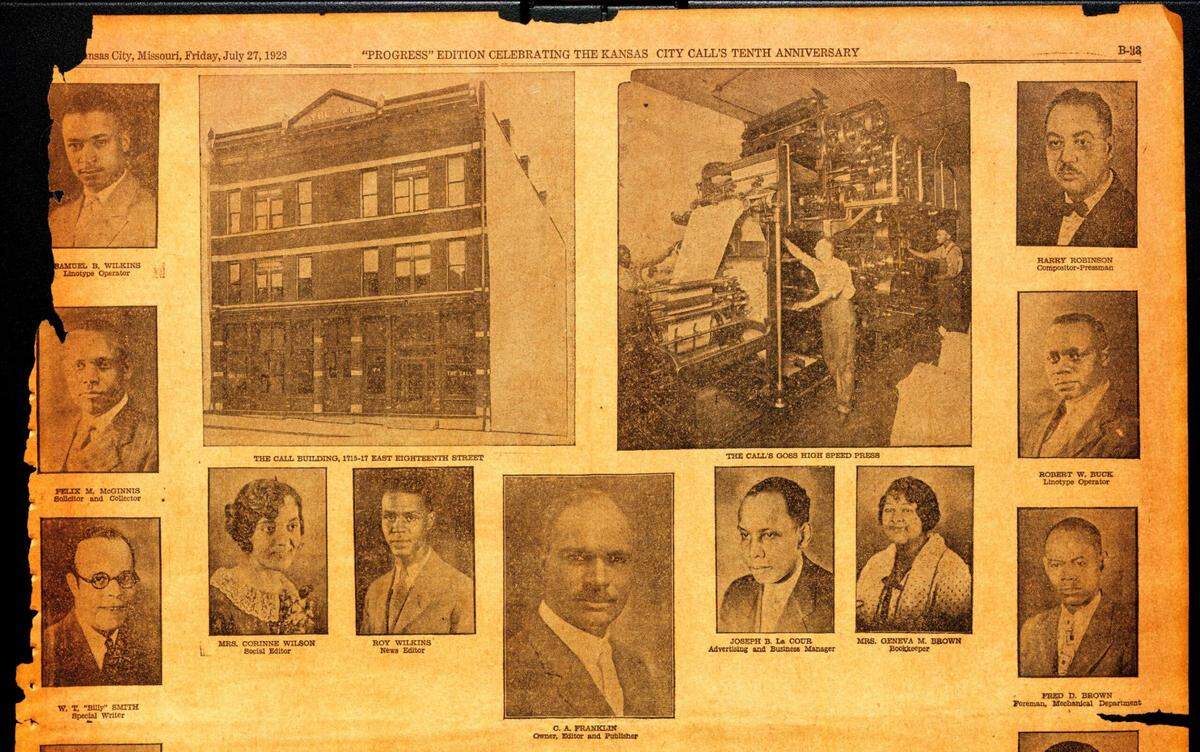
History of The Call in Kansas City
The Call moved into the building in 1922, which contained a printing press and later, an apartment for founder Chester Franklin above the offices. Influential Black journalists like Roy Wilkins and Lucile Bluford got their start in the building.
Eric Wesson, former editor and publisher of The Call, said the legacy of civil rights reporting at The Call was “motivating” during his 21 years with the paper.
The offices acted as a neighborhood think tank, according to Wesson.
“On Fridays, I have five or six or seven people from the community just sit down, and we just talk and kick it, exchange ideas and highlight problems and solutions within the community,” Wesson said.
He remembered how staff members rushed to put together a paper after Barack Obama was elected president, marveling how things had changed in The Call’s history, from covering lynchings to a Black president.
“The history of the newspaper was there within those walls,” Wesson said.
You can find historic photos of The Call building on the Kansas City history website The Pendergast Years.
Have questions about historic buildings in the Kansas City area? Ask the Service Journalism team at kcq@kcstar.com.
This story was originally published October 25, 2024 at 4:24 PM.