Whooping cough cases increasing, Jackson County Public Health officials warn
The Jackson County Public Health department is investigating an increase in cases of pertussis, also known as whooping cough, across the county in recent weeks.
Whooping cough symptoms start about 7-10 days after infection, according to the American Lung Association. The virus is airborne and can spread when an infected person sneezes, breathes or talks.
The infection is characterized by up to 10 weeks of coughing fits accompanied by a whooping sound, often ending in gagging or vomiting, according to the health department. Other symptoms of whooping cough can include sniffles and a low-grade fever, along with breathing problems in infants and small children.
Though the total number of cases in Jackson County remains relatively low, whooping cough infections have risen slightly over the last four weeks, according to JCPH. A Blue Springs High School student was diagnosed with the respiratory illness Wednesday, leading to conversations between JCPH and the Blue Springs School District.
“Pertussis is a contagious respiratory illness that may initially seem like a common cold,” says Bridgette Shaffer, Health Director at Jackson County Public Health. “This disease can have very serious complications, especially for infants or for those with chronic health conditions like asthma.”
Adults with asthma or respiratory conditions, immunocompromised individuals, infants under a year and people in their third trimester of pregnancy are at increased risk of contracting whooping cough, according to JCPH.
Whooping cough is generally treated with a five-day course of antibiotics, during which patients are encouraged to stay home. In some cases, whooping cough can lead to complications and more serious infections, such as pneumonia, according to the ALA.
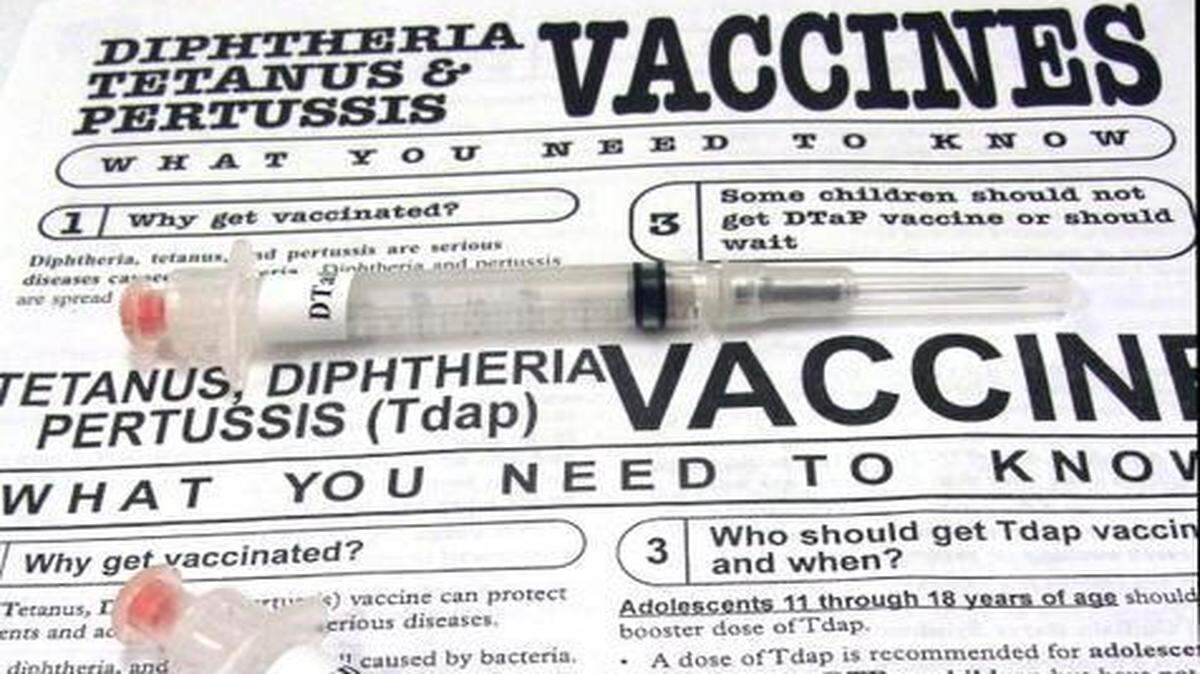
Students in both Kansas and Missouri are required to get the TDaP vaccine, inoculating them against diphtheria, tetanus and pertussis.
In Missouri, five doses of the TDaP vaccine are required on or after a child turns 4, with an additional pertussis vaccine needed before turning 7.
Kansas schools also require five doses of the TDaP vaccine, but the fifth dose isn’t required if your child received one at the age of 4 or older. One more dose of the TDaP vaccine will be required when the child enters the seventh grade.
This story was originally published October 2, 2024 at 5:37 PM.