KCK leaders and activists want ‘real solutions’ to high bills — not a sale of the BPU
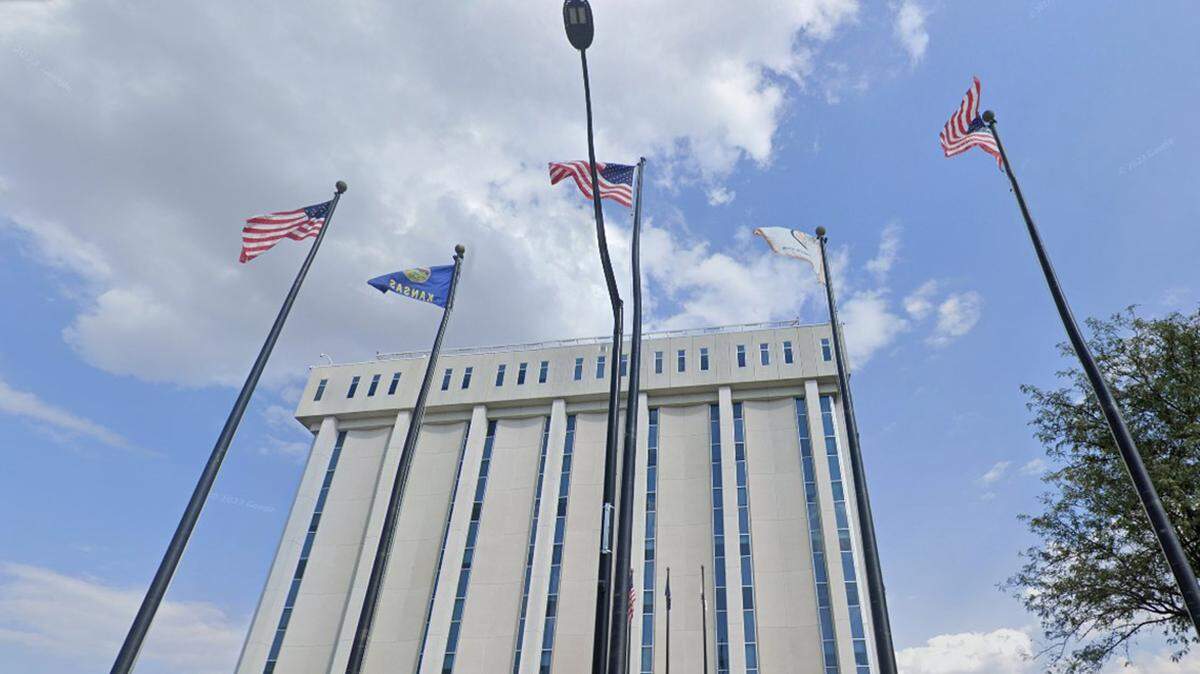
Proposals to sell off or to alter the governing structure of Kansas City, Kansas’ Board of Public Utilities found little footing during a Unified Government Board of Commissioners hearing on Thursday night.
Mayor Tyrone Garner gave airtime to former state Sen. Chris Steineger, a member of a local government efficiency task force, for a presentation on findings from an independent study conducted roughly 18 months ago that aimed to find ways to save money by looking at the Unified Government’s and the BPU’s budgets.
The former senator mentioned high-level management positions, including the BPU’s general manager, as questionable expenses that could possibly be reduced by effectively making the public utility more like another city and county department.
He offered up as much as $27 million in annual savings through “duplicated personnel cost,” though a full accounting of where that would come from was absent. Other savings were projected through reduced use of buildings, vehicles, supplies and travel.
Also included in the brief presentation was a small bit of advice for what to do if the public utility were to be sold. One slide on his PowerPoint read: “BPU real estate and vehicle property will be added to tax rates if purchased by a private company and no tax abatement should be a part of any deal.”
Steineger, however, did not raise the concept of selling the BPU during the meeting. Commissioners asked him no questions when offered the opportunity.
The pitch Thursday came one week after Garner publicly advised discussing changes to the BPU, based on ideas that he says some residents have promoted, including a desire to consider selling the utility.
On Thursday, Garner put some distance between himself and the concept of a BPU sale. While acknowledging that others have brought the idea to him, he said that is not an initiative he supports or one that he believes a majority of the community would rally behind.
“My thing is, all options — short of selling BPU — should be on the table if it’s going to be of value and of cost-saving to our residents here in Kansas City, Kansas,” the mayor said Thursday.
Monthly bills for BPU customers cost more on average than many in the metro. Electric bills run about $141 per month, according to figures from the public utility, as Evergy customers in the Missouri and Kansas sides of the metro pay about $122 and $132 respectively.
A cost-of-service study completed for BPU in 2023 found higher costs for water service in Bonner Springs; Kansas City, Missouri; and Lawrence. But water bills in neighboring Johnson County were typically cheaper.
BPU officials point to the rates as generally competitive and blame some of the higher costs on other fees added to residential bills, such as a payment in lieu of taxes, or PILOT fee. That fee, for example, is used to pay for the Unified Government’s city and county operations.
In addition to electric and water, BPU bills also include charges for Unified Government services including wastewater, stormwater and trash pickup. Those service charges weren’t factored into the comparisons of BPU electric and water charges with other places.
Kansas City, Kansas, resident Lisa Walker Yeager told commissioners she does not know the answer to resolve high bills but welcomed the idea of finding efficiencies. She said she has not had lights on in her house, following a storm and while recovering from surgery, but still had a bill of $143 that was mostly fees.
“This is ridiculous. I do not have utilities on. But I’m still being charged an astronomical amount. And with that being said, you guys have got to look at something different.”
Still, proposed steps toward selling or consolidating the public utility were mostly met with skepticism and some pushback from elected officials and area activists.
In a statement read to the commission, BPU member Rose Mulvany Henry said the concepts raised by Steineger are “not new,” saying the former senator has long lobbied for those outcomes. She added the presentation apparently came with “no input sought” from elected commissioners or collaboration with BPU, questioning why “an issue of this magnitude to our community (is) being reviewed in a vacuum.”
She also said the public process through which residents can provide direct input on policy decisions “would never happen if BPU were sold to an investor-owned utility.”
The BPU also found a few defenders in local activists who have been critical of the public utility in the past.
Ty Gorman, a representative of the Sierra Club and chairman of the mayor’s sustainability task force, said his work with utilities leads him to believe that selling to an investor-owned company “is not a way to bring value to our community.”
“I think this BPU elected board has so far made some beneficial changes to the community and has a good chance of bringing more value to this community through their 20-year planning process that’s happening now and continuing for upcoming months,” Gorman said.
Pamela Penn-Hicks said she is “not a fan” of the BPU. But she strongly criticized ideas of selling the utility, saying the transfer to an investor-owned model offers no guarantee costs would decline overall.
Commissioners on Thursday generally discussed a need for better collaboration with BPU and ways to find real solutions that will deliver benefits to community members.
Commissioner Mike Kane, 5th District, called for an independent review to be performed by an outside party similar to one completed in 2009. He also expressed some frustration with a lack of information about the presentation beforehand, saying he fielded multiple calls from residents with questions he could not immediately answer.
Commissioner Evelyn Hill, 4th District, recalled the process of lowering the PILOT fee, which will drop for residential customers by a single percentage point next year, but said there is much more that needs to be done. She wants to work closer with BPU members to find “real solutions” to issues residents are concerned with.
“I would like to see us get to a point where we do more than just have meetings and talk about it,” Hill said. “But actually come up with some real solutions so that the community can see that we are really working toward solutions.”