Motorcyclist deaths in KC have reached record numbers. Here’s what’s driving that trend
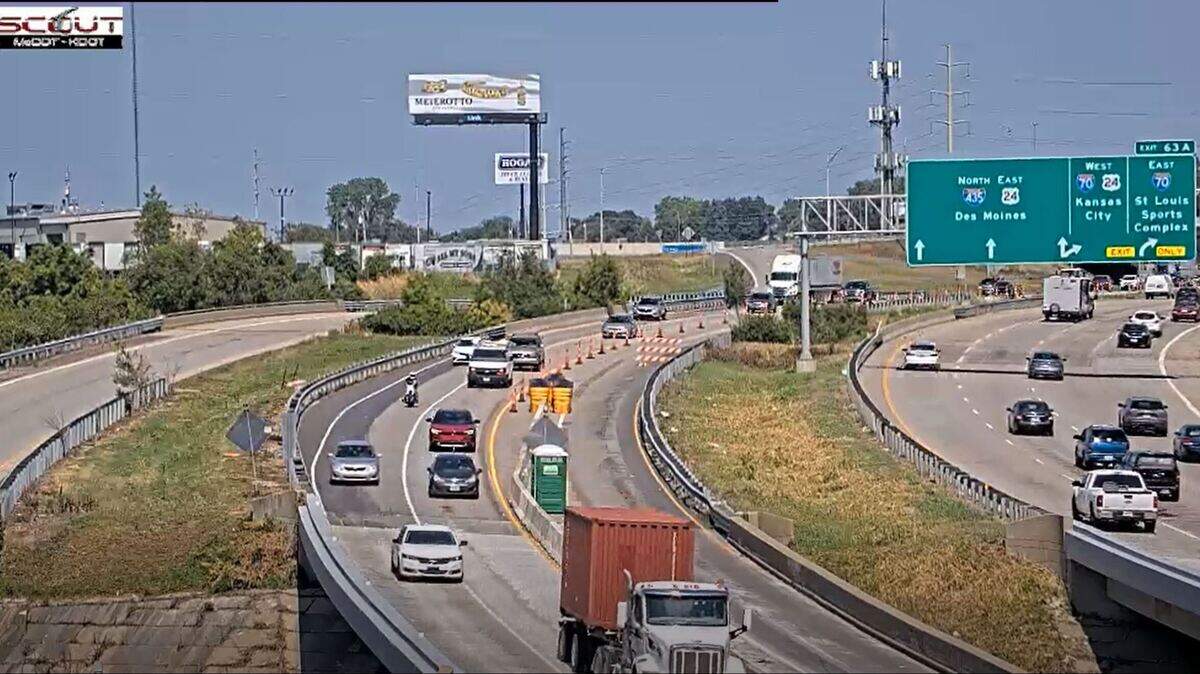
Kansas City’s number of motorcyclist deaths in traffic crashes reached a record high last year that was double the number reported just over a decade ago in 2013, according to statistics provided by the Kansas City Police Department.
Last year was the deadliest year in Kansas City for motorcycle deaths, with a total of 18 motorcyclists dying in crashes on the city’s streets and highways. That’s up from nine reported in 2013 and broke the previous record of 17 deaths set in 2021, although the number of motorcycle deaths fluctuates from year to year.
So far this year, nine motorcyclists have died in crashes in Kansas City. And with the scorching summer temperatures ending and plenty of good riding season left, there’s concern that number will grow.
While police cite risky rider behaviors like speeding and impairment as the biggest factors in the rise of motorcyclist deaths, lack of helmets has increasingly played a role since Missouri dropped its helmet requirement in 2020, according to some law enforcement.
In fact, in Kansas City’s fatal motorcycle crashes this year, speed and impairment and the lack of a helmet are the leading causes, said Sgt. Phil DiMartino, a spokesman for the Kansas City Police Department.
The increase in motorcycle deaths mirrors an increase in overall traffic deaths, with speed and impairment again blamed as the main reasons for the increase. Police have also previously cited the lack of safety devices, like seat belts, as a leading cause. DiMartino said that for motorcyclists the lack of safety equipment, such as helmets, also contributes to motorcyclists’ deaths.
When fatal crashes occur, “the vast majority of the time, it’s the motorcycle operators’ fault,” DiMartino said. When it’s another driver’s fault, the driver’s inattention or turning in front of a motorcyclist is typically to blame.
So far this year, four out of the nine motorcyclists killed in crashes in Kansas City were not wearing a helmet.
In 2020, Missouri repealed its universal helmet law, allowing riders 26 and older to ride without a helmet if they, in addition to having proof of financial responsibility, are covered by health insurance or another form of insurance that would cover medical costs if injured in a crash. The new helmet law went into effect in August of that year.
DiMartino is skeptical that’s been a critical factor in changing fatality rates, although he acknowledges the importance of helmet use.
“Overall, the change in helmet law has not really contributed to the fatality rate,” DiMartino said. “High rates of speed are one of the main contributors.”
Motorcycle deaths started rising in 2017, when 16 riders were killed in crashes. Since the change in the helmet law, motorcycle deaths were 17 in 2021, 10 in 2022 and 18 in 2023, which hit an all-time peak. Last year was the second deadliest year overall on Kansas City streets.
So while motorcyclist deaths were on the rise before 2020, in the years since Missouri’s change to the helmet law, two of the last three years have seen the highest death tolls.
DiMartino said he does agree helmet use is key to keeping this year’s motorcycle’s deaths from reaching levels of previous years.
“Slow down and wear a helmet. Do not operate a motorcycle or any other vehicle impaired,” he said.
Missouri motorcycle deaths up
Statewide, the change in the helmet law appears to be playing an even bigger factor in motorcyclists deaths.
Motorcyclist deaths across Missouri have increased significantly over the past five years, up from 65 deaths in 2019 to a record of 110 last year, according to data from the traffic division of the Missouri Department of Transportation’s Kansas City District. As of Aug. 18, there had been 83 motorcyclists killed in crashes this year on Missouri roads.
There’s been a dramatic decline in helmet usage after the change in the law, said Sgt. Andy Bell, a spokesman for the Missouri Highway Patrol’s Troop A, which includes the Kansas City area.
He believes there is a more direct correlation between the change in the helmet law and the increase in motorcycle fatalities.
The number of motorcyclists killed who were not wearing helmets jumped from seven in 2019 to 43 in 2023. As of Aug. 18, that number had reached 29. In some of the other deaths, it was not known if the rider was wearing a helmet or the helmet worn failed to meet federal motor vehicle safety standards.
Motorcyclists are vulnerable in crashes because they don’t have metal around them as people in vehicles do, nor do they have other safety devices like seat belts and airbags.
“Your only viable source of protection is your helmet and any other protective gear that you would put on to keep you, for the most part, getting skinned up,” Bell said. “We see motorcycle crashes a lot where it’s a pretty minor crash that turns out to be a broken bone or severe head injury because they’re not protected.”
When people in cars are not wearing seat belts, their chances of dying or getting seriously injured in a crash increases, Bell said. The same is true for motorcyclists — when they’re not wearing a helmet, their chances of surviving a collision go down, and the chances of injury go up.
Bell typically sees riders of sport-style and street motorcycles wearing helmets and protective gear, while riders of cruiser-style motorcycles are more likely to be wearing no protection except maybe some boots, blue jeans and a T-shirt.
“It’s risky behavior not to wear a helmet,” Bell said. “It’s also risky behavior to exceed the speed limit, and with street-style bikes, even if they are wearing a helmet and protected gear, at the highest speed that they are operating, the likelihood of survivability is extremely low.”
Most of the fatal motorcycle crashes that Bell has worked in his 24 years with the highway patrol were caused by the rider’s behavior and choices, including speeding, driving while intoxicated or in a careless way.
Bell said that does not imply that motorcyclists are always at fault. There are crashes in which the other driver is at fault. Drivers have the responsibility to put their cellphones down and check for other vehicles and motorcyclists to make sure the path is clear.
“Let’s not forget to use that turn signal,” Bell said. That alerts other drivers, especially motorcyclists, so they can predict their next maneuver, he noted.
Motorcycle riding does not have set seasons in Missouri. Drivers should anticipate that riders will be on motorcycles whenever the sun is out.
“Typically, what drives your motorcycle enthusiast is the weather, so on good weather days, expect increased motorcycle activity,” Bell said. “We’re going to see that occur this weekend and probably all the way through September, October and as late as even November.”