The full moon will look extra large tonight. What to know about the supermoon in KC
A supermoon will be visible from Kansas City starting today, and it will appear bigger and brighter than a typical full moon.
The sturgeon moon, which is both a blue moon and a supermoon, technically will become full at 1:26 p.m. Monday, according to NASA. However, the best time to see it in Kansas City will be around 8:30 p.m., when the moon rises here, according to the website Time and Date.
The moon will appear full until early Wednesday morning, according to NASA. The National Weather Service forecasts mostly clear skies with a low around 63 degrees in downtown Kansas City on Monday night.
What is a supermoon?
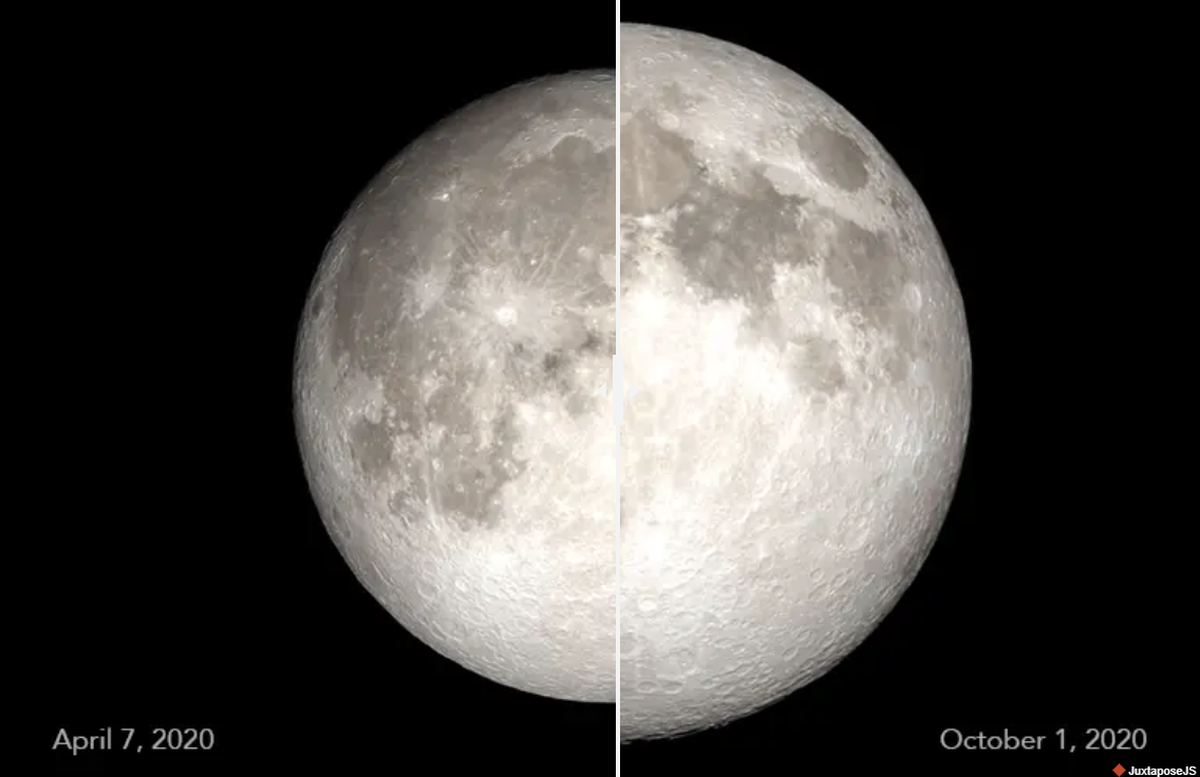
A supermoon is defined as either a full moon that occurs when the moon is within 90% of its closest approach to Earth, NASA says, making supermoons the “biggest and brightest” full moons of the year.
They typically occur three or four times a year, always right in a row.
On Monday, the moon will be 225,288 miles from us. It can orbit up to 252,712 miles away from Earth.
August’s full moon is also referred to as the “sturgeon moon” because of the abundance of fish typically found in late summer, according to the Farmers’ Almanac.
Many moon names come from Indigenous cultures. The Farmers’ Almanac uses Indigenous moon names, along with monikers from colonial America and other North American sources.
What is a blue moon?
In addition to being a supermoon, August’s full moon is also considered a blue moon by some astronomers.
There’s no universally agreed upon definition of a blue moon by astronomers.
One NASA article from August 2023 defines a blue moon as when we see a full moon twice in a single month, while a NASA article from this month defines it as the third full moon in a season with four full moons.
These are two common definitions of a blue moon; most astronomers use one or the other. It’s the second definition that would apply to this week’s moon, since it is the third full moon of the summer and there’s a fourth in September.
Does a blue moon look blue?
Neither of definition of blue moon refer to the color of the satellite. On rare occasions the moon can appear blue from Earth because it is seen through a haze of dust particles in our atmosphere, according to Royal Museums Greenwich.
More full moons in 2024
Here’s when to see the rest of 2024’s full moons, according to Space.com:
Sept. 17: harvest moon (supermoon and partial lunar eclipse)
Oct. 17: hunter’s moon (supermoon)
Nov. 15: beaver moon (supermoon)
Dec. 15: cold moon
The Astronomical Society of Kansas City hosts weekly stargazing events each Saturday night at the Powell Observatory in Louisburg, Kansas.