
Stopping to help others on Kansas, Missouri highways can be dangerous. How to stay safe
We’ve all been there: A car up ahead is stalled on the side of the highway, its hazard lights blinking. Maybe there’s evidence of mechanical trouble, like a popped hood or a distraught driver. Or maybe it looks like there’s been a crash — two or more cars could be stopped with varying levels of damage.
Those with first aid training, a knack for car repair or simply a desire to lend a hand might feel inclined to stop and help. But that’s where things can get dangerous.
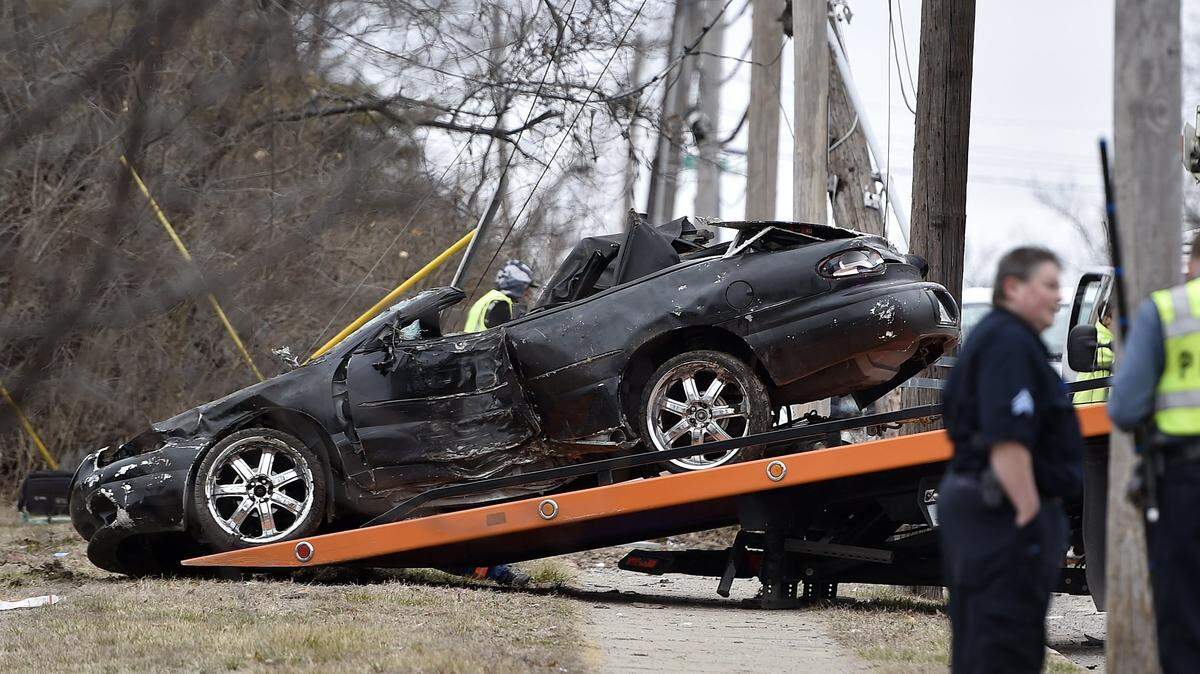
Early Saturday morning, an Olathe teen was killed in a car crash as he tried to assist a stalled vehicle on I-35 South in Merriam. Another car hit the stalled vehicle and drifted across the roadway, striking the teen.
While Missouri and Kansas law protect some “Good Samaritans” from liability if they stop to assist a stranger, doing so often isn’t the safest choice for you or the stopped car. Here’s how to stay safe when you see a crash or a broken-down vehicle on the road.
You don’t have to stop unless you are involved in the crash
Most states don’t require drivers to stop and help others who have experienced a crash or are broken down on the side of the road.
The exception is if you are involved in the crash yourself — Kansas laws require that you provide aid to anyone injured in a car crash that you are personally involved in, and both Kansas and Missouri require you to stop after a crash you’re involved in, stay on the scene and report the accident to law enforcement.
Call emergency services for help
When in doubt, call 911 if a vehicle is blocking the road, if you think there has been a car crash or if anyone needs medical attention. If you weren’t involved in a crash, you aren’t required to stop and assist — although if you witnessed the crash, your account could help law enforcement establish what happened.
In both Kansas and Missouri, stopped vehicles are required to move off the roadway if it is safe to do so. The exception is if there is a serious crash and the driver is unable to move the vehicle. If a car is merely broken down and there are no injuries, you can also call your local law enforcement agency’s non-emergency number.
Assure your own safety first if you choose to stop
Kansas City law firm Dickerson Oxton advises that your safety comes first when stopping to assist or report a crash. If you can safely do so, pull off the road and turn your hazard lights on. Make sure you are a safe distance away from the stopped vehicle and out of immediate danger.
The Missouri Department of Transportation adds that you should stay in your vehicle with your seatbelt fastened and avoid walking in the road.
“You are safest inside your vehicle,” the department writes. “If you must exit the vehicle, attempt to exit on the non-traffic side. If you are assisting at a crash, approach a vehicle from the non-traffic side.”
Good Samaritan laws in Missouri and Kansas
In some states, so-called Good Samaritan laws protect people who stop to provide medical assistance when they come upon an accident. However, there are some limits to these protections to keep in mind.
In both Missouri and Kansas, only those who have first aid training or are medical professionals are protected from civil liability if they provide first aid at the scene of an accident. There’s an exception that removes this protection if you make the issue worse through “gross negligence” or “willful or wanton acts or omissions.”
To be safe, only provide help to the level of training you have and let emergency services take over when you arrive.
Do you have more questions about traffic laws in Kansas or Missouri? Ask the Service Journalism team at kcq@kcstar.com.
This story was originally published July 30, 2024 at 12:39 PM.
.jpg)