Two meteor showers will be visible in Kansas City this week. Here’s how to see them
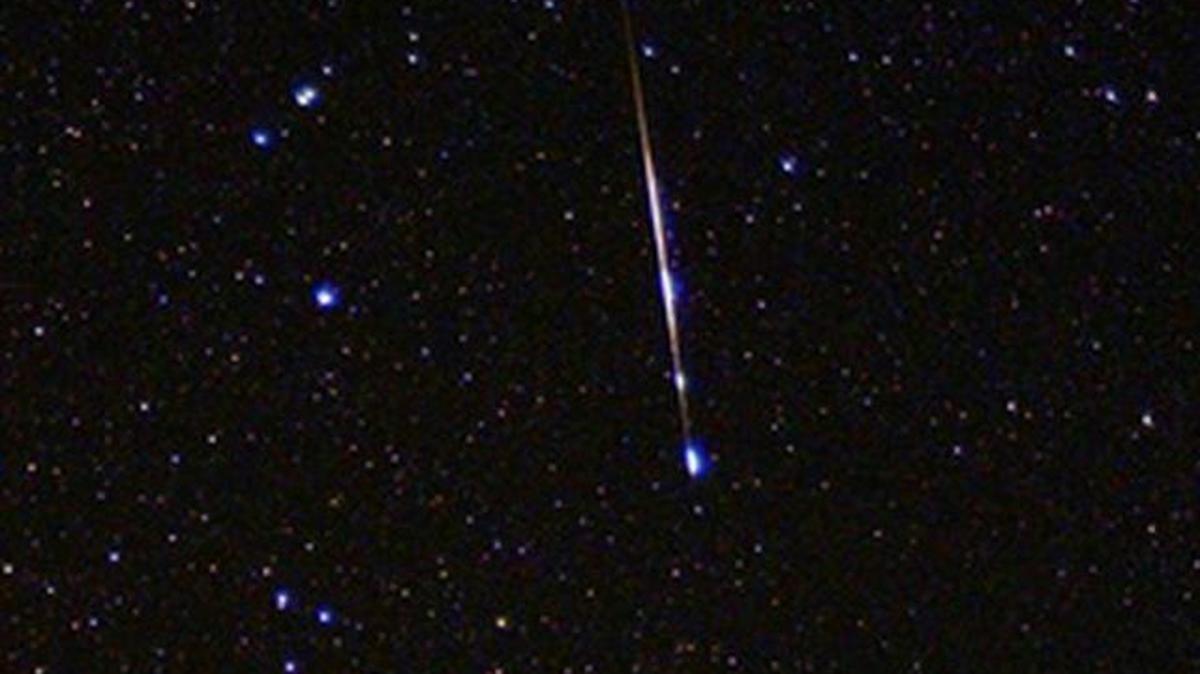
Kansas City area residents could see something falling from the sky Monday night, as long as the sky is clear.
The meteor shower known as Delta Aquariid shows up late July and early August every year, and it can be seen from anywhere in Kansas and Missouri in the right conditions. If you’re lucky, you may also get to see the Alpha Capricornids falling from the sky.
Showers like these happen because of comet debris that was left behind outside of the Earth’s atmosphere, according to Shawn Dahl, Space Weather Prediction Center service coordinator. The pieces of debris, many of which are as big as a grain of sand, light up in the night as they burn up in the Earth’s atmosphere.
This year’s peak visibility for both showers happens after midnight Tuesday morning, according to the American Meteor Society. The showers for Delta Aquariid happen until Aug. 21, so if you miss out Tuesday, you will have other chances to see meteors falling.
Here is what else you need to know about the upcoming Delta Aquariid and Alpha Capricornids meteor showers.
How I can see Delta Aquariid meteor showers?
If you want to see the Delta Aquariid meteor showers, the National Aeronautics and Space Administration says you just need to find a spot outside the city and have a little bit of patience.
“The amount of skyglow from light pollution diminishes as you venture farther outward from a population center,” NASA says on its website. “So heading outward from town, at least 20 to 30 miles from the city limits, is key.”
Dahl recommends that you get under a dark, non-light polluted sky in the late evening into early morning hours to give yourself the best chance at seeing the meteor showers.
The sky should be clear at this time, according to the Astronomical Society of Kansas City’s chart. A chart by ClearDarkSky.com shows the same for Kansas.
The meteor rate for this shower is fairly low at 10-20 meteor streaks an hour, Dahl said. The shower co-exists with another this year, the Alpha Capricornids, which may generate five streaks an hour.
The moon will be 30% full at this time, the American Meteor Society says. The less full the moon is, the easier it is the see the showers.
If you miss this one, you won’t have to wait long to see another meteor shower. The next major shower will be the Perseids, peaking in mid-August.