Ticks are on the rise in the Kansas City area. Here’s what to do if you get bitten
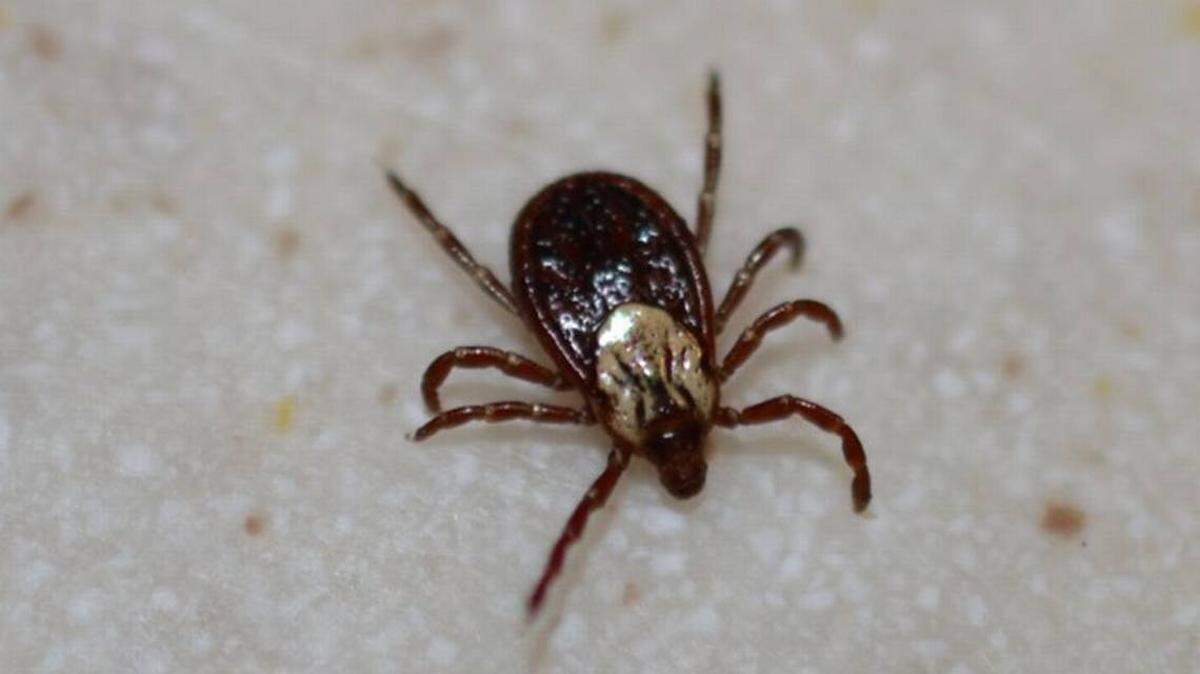
Jeff Whitworth’s phone has been constantly ringing, all because of a sesame seed-sized bug.
The insect expert with the K-State Extension said during this year’s tick season, he has received up to three times the usual amount of questions.
“I get a lot of calls about ‘these damn ticks!’” Whitworth said, laughing.
Kansans have been contacting him since late March, he said.
While there is no census for the tick population, the rate of emergency department visits for ticks in the Midwest are at an all-time high, according to Center for Disease Control data.
The Kansas City area is home to multiple species of these blood-sucking bugs, including the American dog tick, lone star tick and deer tick.
Here is why you are running into so many ticks and what to do if they bite you.
Why does it seem like there are so many ticks this year?
Kansas and Missouri’s mild winter and spring is what Whitworth thinks is the cause.
While ticks have adapted to Midwestern winters, they have a better chance of surviving when the weather isn’t as cold.
In addition, the temperate weather brought more people outdoors, where the ticks are too.
“I would guess maybe it’s because we had a relatively mild winter.”
What’s my risk for tick-borne diseases?
According to Whitworth, the most common tick bite complication is an itchy scab getting infected.
“We don’t have a lot of diseases, fortunately, that are vectored by ticks right now,” Whitworth said.
From 2019 to 2022, there were 105 cases of tick-borne illnesses in the Kansas City area — Jackson, Johnson, Clay and Wyandotte Counties — according to CDC data. The most common diseases were ehrlichiosis, Lyme disease and spotted fever.
Missouri has some of the highest rates of Alpha-gal Syndrome, which causes a severe allergy to red meat and is spread by the Lone Star tick.
How do I keep from getting bit?
Whitworth gave a number of suggestions to avoid tick bites this summer.
Before going outdoors, apply DEET insect repellent or permethrin, a mild insecticide that can be bought as a spray.
Wear white so you can see the ticks crawling on your clothes
When you come indoors, check your body for ticks and remove any you find.
How do I remove a tick?
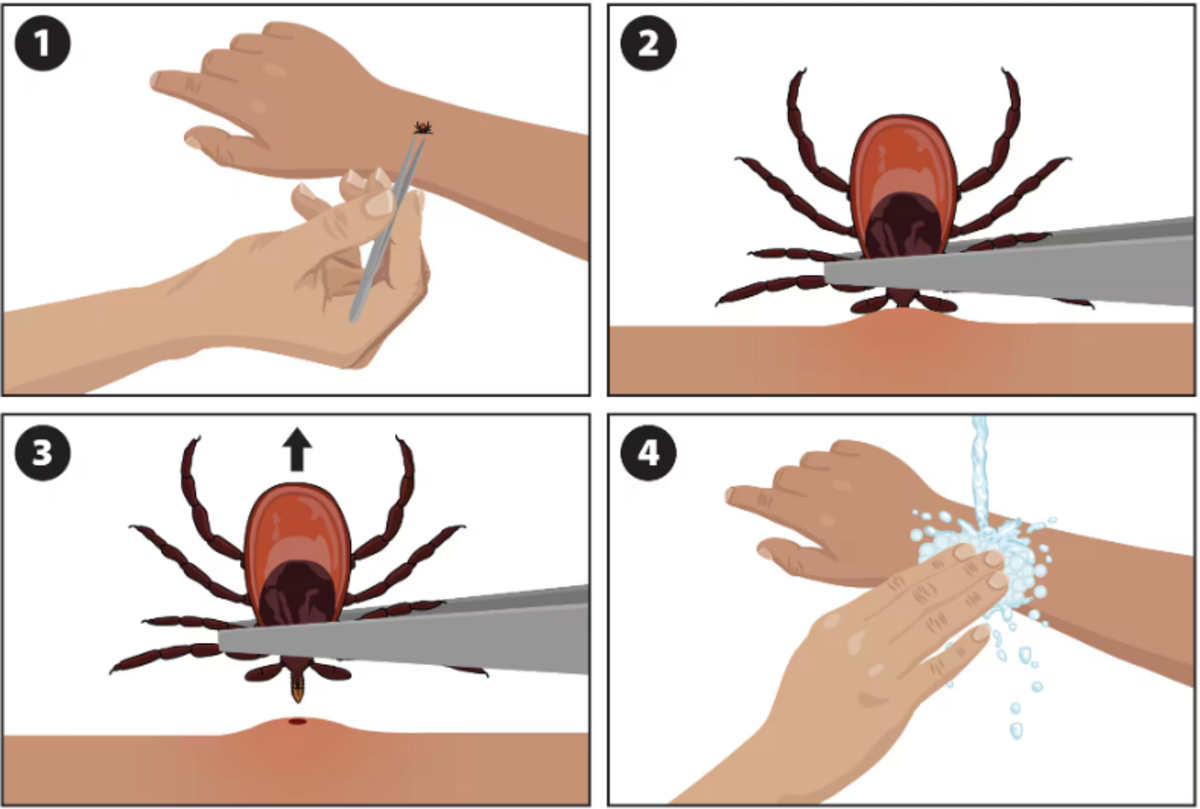
If you find a tick attached to your body, take it off as soon as you can. Whitworth said it takes a few hours for a tick-borne disease to move from tick to host.
Use tweezers to pull the bug slowly off your skin, then clean the bite with soap or rubbing alcohol.
Keep an eye on the site. Talk to a doctor if you see a red halo around the bite or a rash that lasts more than a couple of days. The CDC has an interactive Tick Bite bot that helps people decide when to see a doctor.
Have more questions about bugs in the Kansas City area? Ask the Service Journalism team at kcq@kcstar.com.
This story was originally published June 26, 2024 at 2:42 PM.