
What will happen to the debris from Kansas City’s Buck O’Neil Bridge? We found out
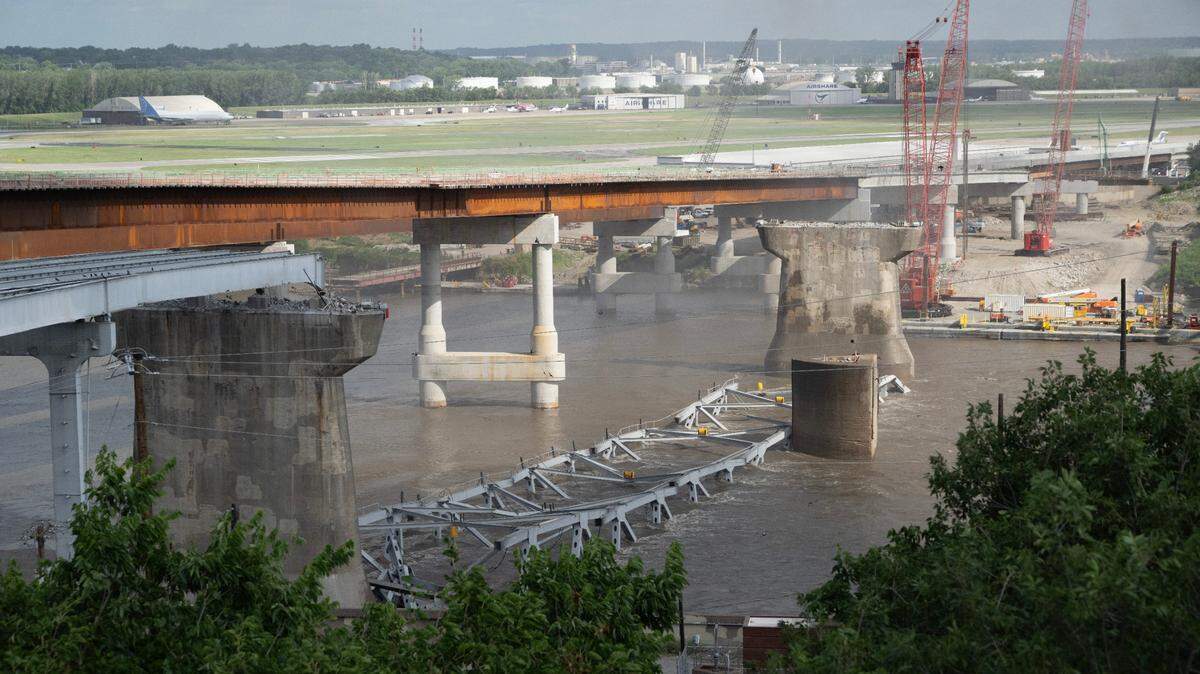
With a thundering boom, state officials demolished the last remaining section of the Buck O’Neil Bridge on Tuesday morning in downtown Kansas City.
The controlled detonation of the bridge was the first to send the old bridge’s metal beams tumbling into the Missouri River below. While the other two trusses were demolished previously, they dropped their debris on solid ground.
We heard from readers wondering about the environmental impacts of this final detonation, and how the Missouri Department of Transportation crews will go about removing the massive chunks of bridge from the river.
James Pflum, MoDOT’s project director for the Buck O’Neil bridge replacement, told The Star that crews are now working around the clock to pick the debris out of the Missouri River using cranes.
“Over the next 48 hours, they will remove all of that steel that has gone into the water,” he said. “They have each piece accounted for ahead of time, and they’ll be checking that by the end of the 48 hours, they know that they’ve got everything.”
Here’s how the cleanup effort will progress over the next two days.
How do bridge demolitions work?
According to MoDOT’s engineering policy guide, bridge demolitions on “navigable waterways” like the Missouri River require a variety of environmental impact permits from agencies including the U.S. Coast Guard, the Army Corps of Engineers and the federal Department of National Resources.
The U.S. Fish & Wildlife Service may also get involved to ensure endangered species in the river aren’t impacted. Tuesday’s demolition didn’t affect an area with any vulnerable species, Pflum told The Star.
He added that most of the material, including the concrete roadway, had already been removed before the detonation.
“The blasting actually cuts the bridge all at once, and they have a system to be able to tell where the pieces are at,” he said. “All the concrete and even some of the steel is removed ahead of time, so it’s just the bare minimum that’s going into the water.”
The 48-hour time limit comes from the U.S. Coast Guard, because the river is used as a travel route for ships.
Last year, MoDOT used a similar explosive technique to demolish the Rocheport Bridge in central Missouri along I-70. The Coast Guard gave the team 24 hours to remove the debris from the water — and it took them 70, KBIA Radio reported. But Pflum isn’t worried about missing this project’s tight cleanup deadline.
“There will be at least one crane doing the main picking, but then they also have multiple cranes in the area that will probably help moving material around,” he said. “They’ll rotate crews 24 hours a day until it’s out of the water.”
The steel pieces will them be hauled to a salvage yard and melted down for use in future infrastructure projects.
How can bridge demolitions impact waterways?
Construction debris can worsen water quality by releasing man-made materials and chemicals into the waterway. Last year, a bridge demolition over Deer Creek in Brentwood, Missouri, released styrofoam into the water, leading to penalties from the Missouri Department of Natural Resources.
Other harmful materials such as lead, asbestos and even petroleum can be released from bridge materials that fall into waterways. Pflum isn’t worried about that with the Buck O’Neil project.
“We’re really not anticipating anything incredibly detrimental or anything special that we need to monitor,” he said.
Water quality testing and other environmental monitoring measures aren’t part of the cleanup process, but contracted crews and Coast Guard officials will survey the area to ensure all the large bridge pieces have been removed.
“MoDOT prides itself in being a good steward to the public,” Pflum said. “But I also think that involves making sure we’re doing what we need to for the river.”
Do you have more questions about the environmental impacts of infrastructure development in Kansas City? Ask the Service Journalism team at kcq@kcstar.com.
.jpg)