Remember when downtown Kansas City smelled like coffee? Here’s why and what happened
When taking apart equipment in the former Folgers Coffee plant in downtown Kansas City, crews found a surprise to clean up. Piles of coffee grounds spilled onto the floors of the historic facility, and workers had to remove them by the shovelful during the mid-2010s renovation. The fragrant grounds wafted through Kansas City for over a century.
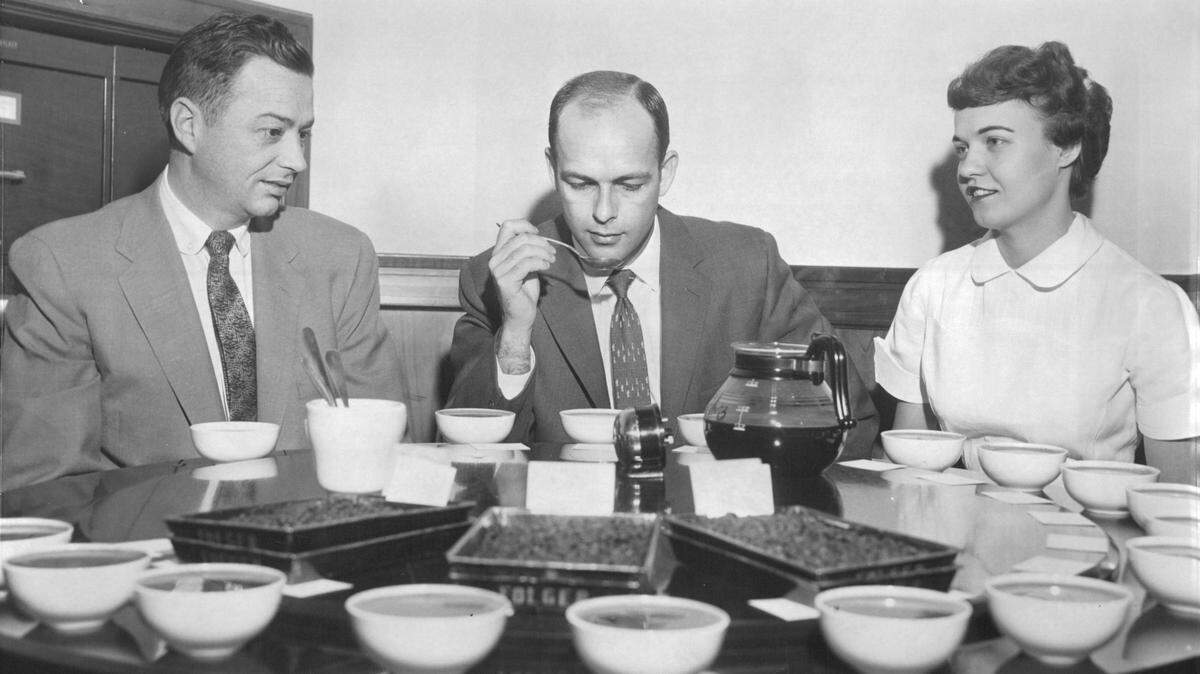
From 1909 to 2012, the Folgers Coffee plant roasted coffee for the country and, at the same time, perfumed downtown Kansas City.
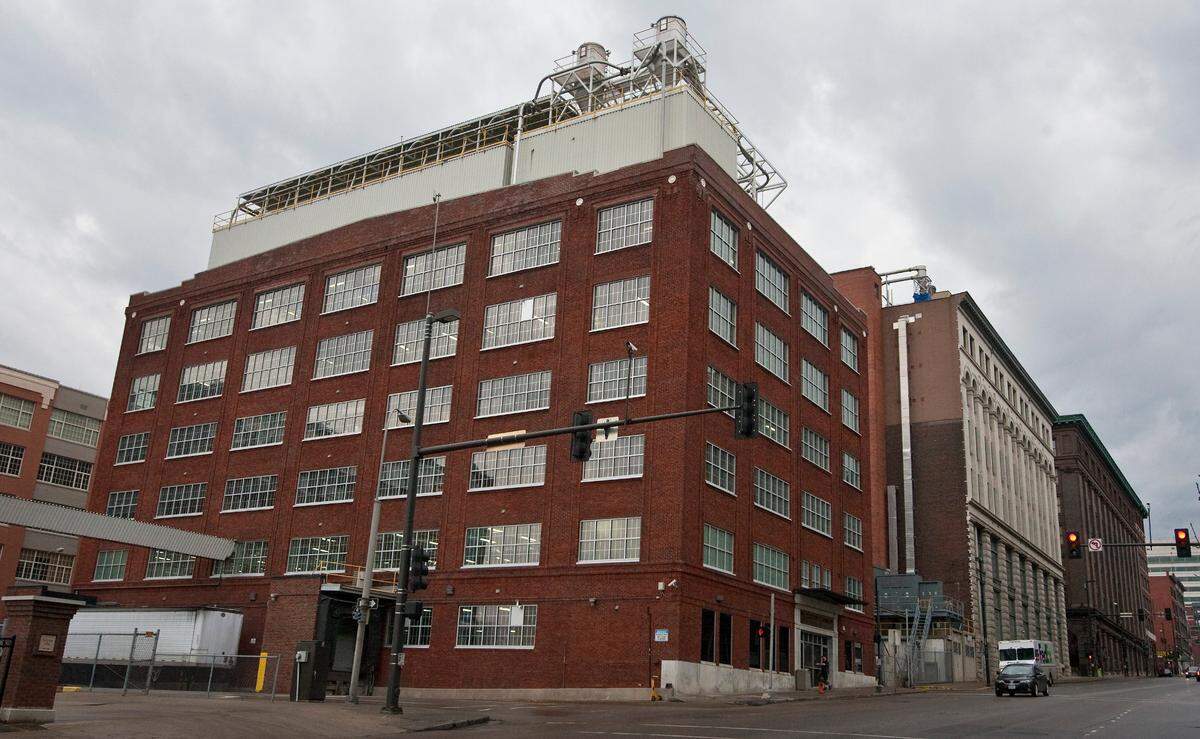
The former factory was located at the intersection of 8th and Broadway, near the Quality Hill neighborhood. After closing in 2012, the buildings underwent a $35.9 million renovation and reopened in 2019 as Roaster’s Block Apartments.
A 1996 Kansas City Star article described the origins of the smell: the factory’s roasting room.
“(The) fifth floor is where, 354 days a year, 24 hours a day, the gas burners roar, sparks fly and that arresting aroma of sizzling coffee beans begins its trip down to lucky nostrils on the streets below. Ahhh, the Folger Coffee Co. plant. Where would our olfactories be without it?”
A 1986 article described the plant’s aroma as “the dominant fragrance in the Garment District.”
‘High grade, seasoned coffee roaster’
The first Folgers roasters in the area opened in the Crossroads, at 2012 Baltimore. Later newspaper reports said that intrepid salesman and future Folgers vice-president Frank P. Atha had suggested a Kansas City roasting location to serve Midwestern clients of the business then based in San Francisco.
A 1923 job listing in The Kansas City Star was specific about the requirements for an employee to oversee roasting: “Don’t apply unless you are high grade, seasoned coffee roaster.”
In 1938, the operation moved north to the Garment District, at the intersection of 8th and Broadway. The two buildings, separated by a tall white “blending tower,” had a combined footprint of almost 220,000 square feet.
Roasty toasty
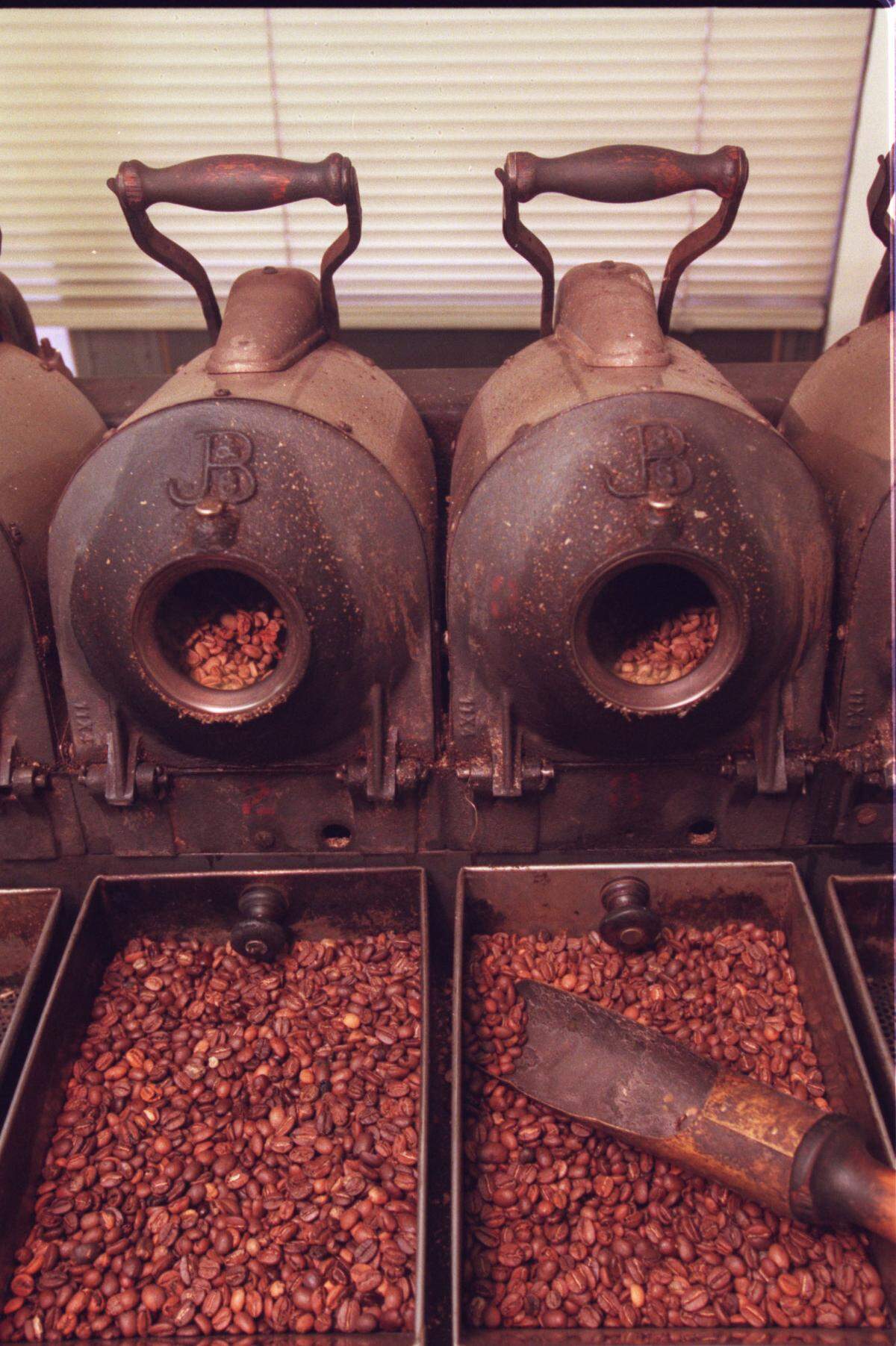
Here, unroasted coffee beans were stored in the sub-basement, and then lifted to the roof. These green-colored beans gradually made their way back down again as they went through the manufacturing process, from roasting to grinding to packaging in the signature red cans.
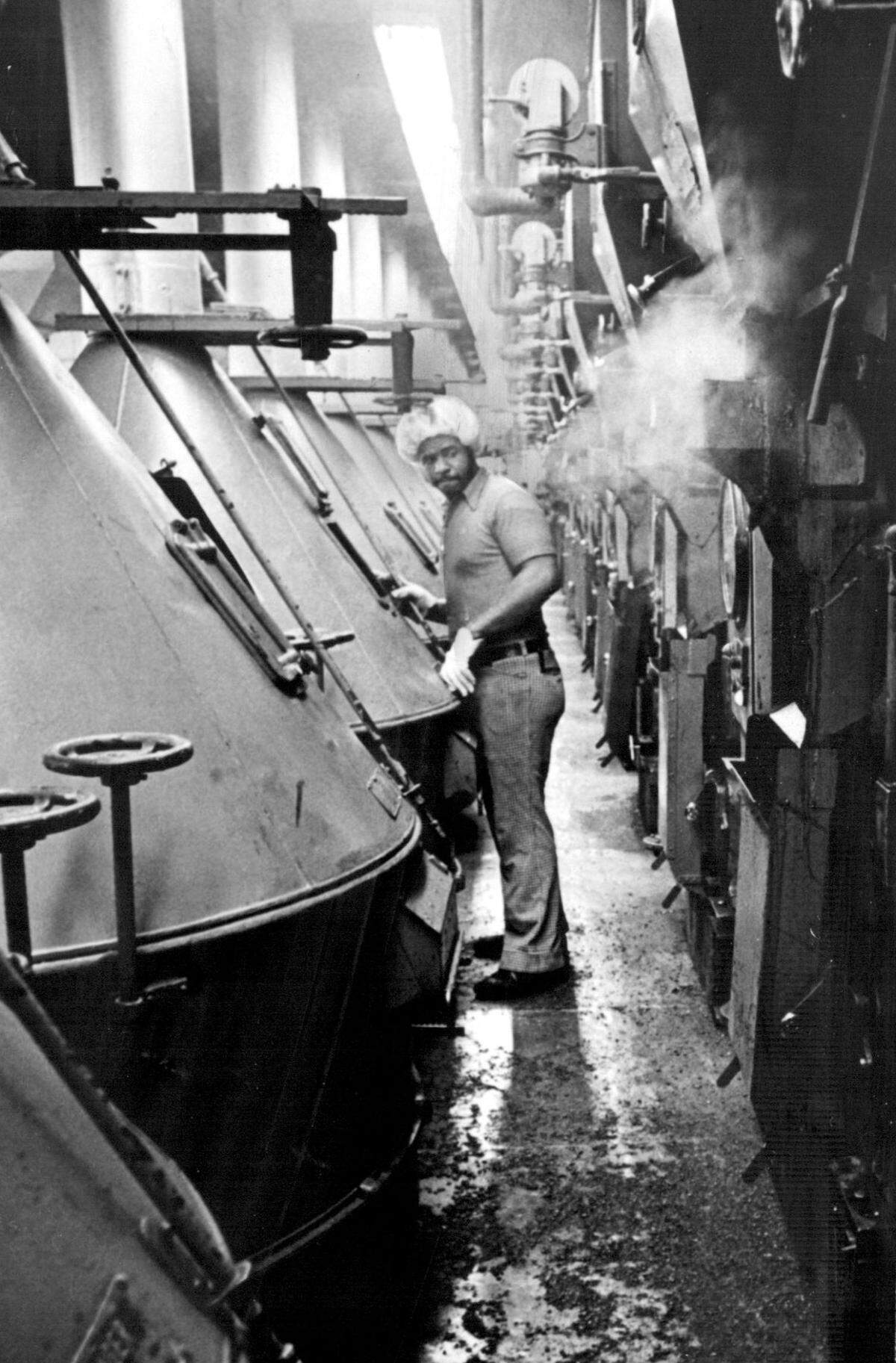
With 15 ovens and perpetually open windows, the roasting room was uncomfortable for workers. In 1996, the head of roasting told the Star, “It’s awful in the winter…We never let it go below freezing, but it will get into the 40s. It’s awful in the summer. It gets up to 120.” Computer technology in the ‘90s allowed Folgers employees to largely stay in a climate-controlled automation room.
In the ‘90s, the beans roasted in Kansas City were shipped to central and western states and as far away as Canada.
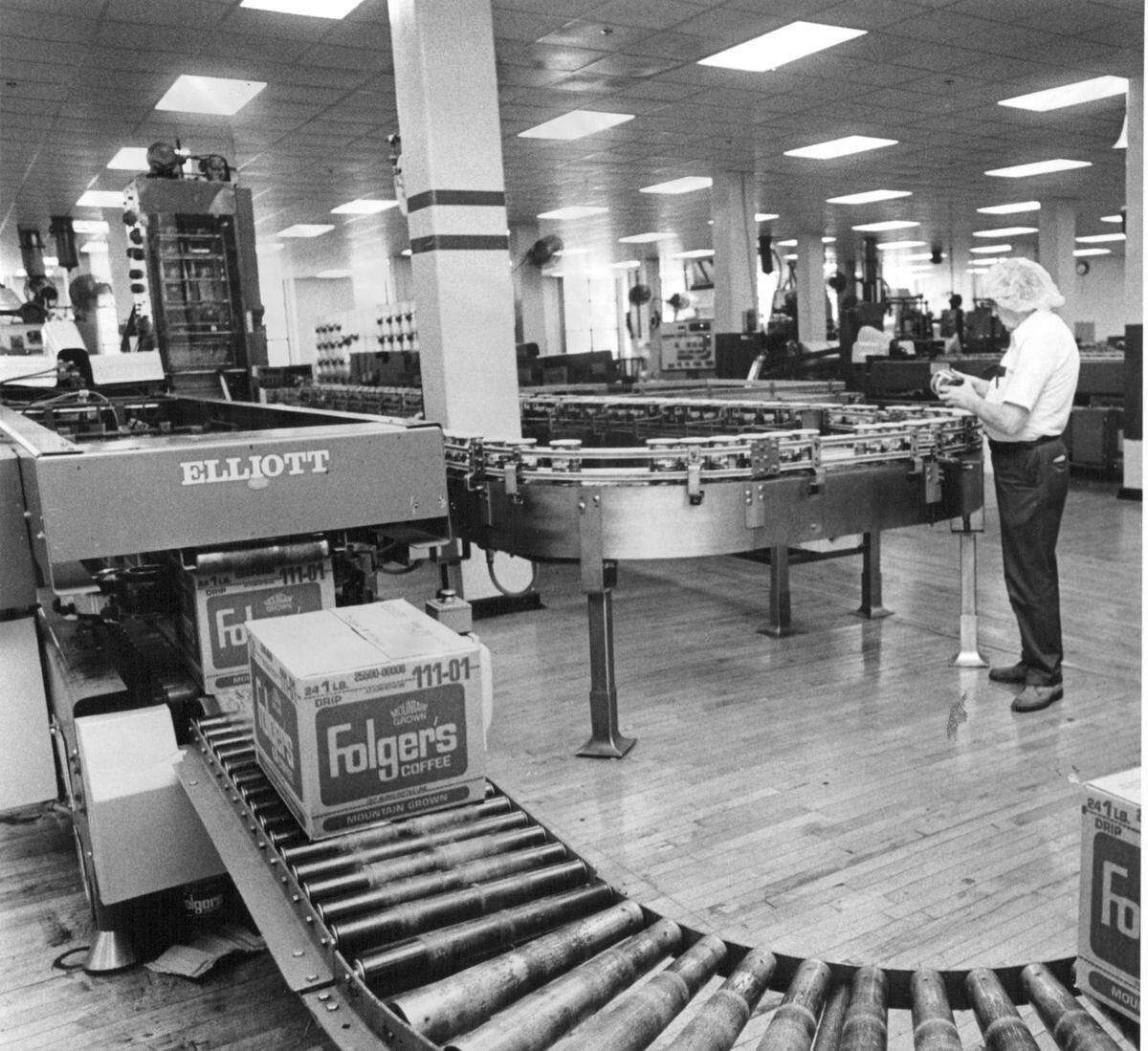
Production picked up after Hurricane Katrina damaged the New Orleans plant in 2005, but the Missouri factory still closed in 2012.
Nearly 200 workers lost their jobs as production was consolidated to Louisiana. When the closure was announced in 2010, The Star asked downtown workers what aroma they wanted instead.
Tammy Small, a Folgers drinker and finance professional, said she would love to smell flowers, but loved the caffeine-laden aroma.
“I don’t think anything could replace the smell.”
Do you have a Kansas City oddity you want uncovered? Contact the Service Journalism team at kcq@kcstar.com.
This story was originally published May 4, 2024 at 5:00 AM.