Billions of cicadas will pop up in the Midwest this spring, including KC. Here’s why
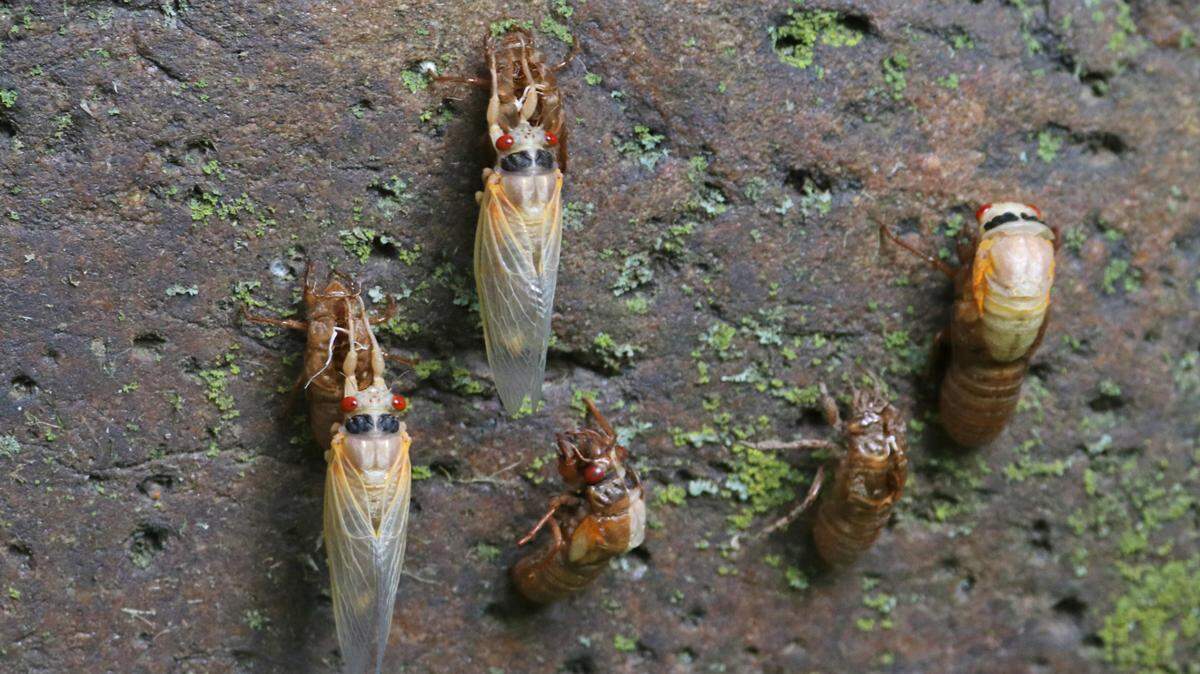
Kansas City’s about to see — and hear — a lot more cicadas than usual.
Billions of cicadas are set to emerge at the same time this spring, with two of the broods last emerging together in 1803, according to University of Missouri Extension horticulturist Tamra Reall.
Brood XIX pops up from the ground every 13 years, while Brood XIII emerges every 17 years. They start to pop up when the soil warms to 64 degrees, and they all show up at once.
That means that the last time these periodic cicadas emerged together, Thomas Jefferson was president of the United States. The next time Brood XIII and Brood XIX will come out in the same year is in the year 2245.
Here’s what you need to know about the influx of cicadas, from where they emerge to why they emerge on an unusual schedule.
Where and when do the cicadas emerge?
Emergence happens in 18 Midwest states, including Missouri.
Most Missourians will only see Brood XIX, which last appeared in the state in 2011, Reall said in a blog post for the Mizzou extension office. She said to expect them to emerge between late April and early May.
Brood XIII is Northern Illinois-based, and some cicadas may make their way to St. Louis, Reall said. This brood will pop up in mid-May through June.
She said you can expect to see a lot of cicadas after it rains. As many as 1.5 million cicadas per acre could appear in the most populous areas.
Why do cicadas have unusual hatching cycles?
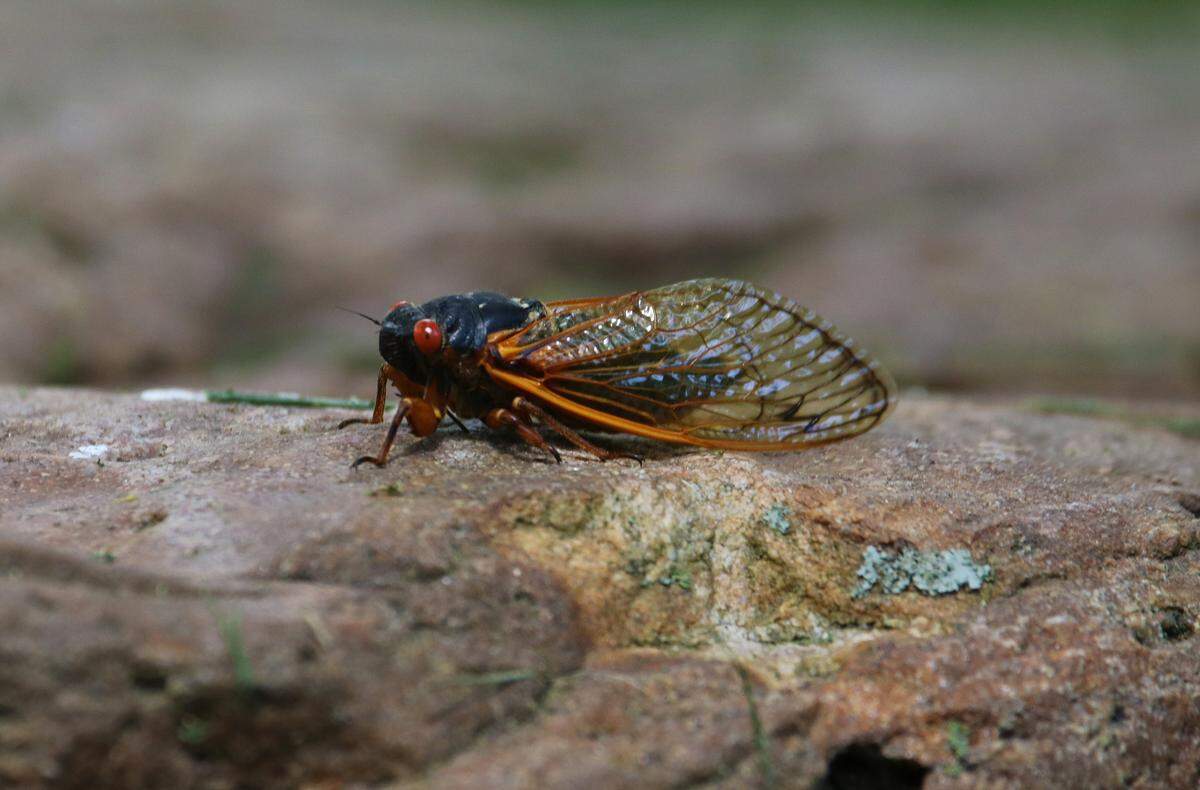
Different cicada broods show up every 13 to 17 years, and scientists believe part of the reason they emerge on this schedule is because 13 and 17 are prime numbers, making it difficult for predators to follow.
“If you spend a large, prime number of years out of the picture, it might be difficult for predators or parasites to synchronize their life cycles with yours and to target you as a host,” University of Wisconsin-La Crosse entomologist Barrett Klein said in a University of Wisconsin blog.
The loud sound you will start to hear is from male cicadas sending out their mating call, according to Reall. The mating call:
- Can be as loud as a lawnmower.
- Is unique to its species.
- Can be louder than a jet engine when it is synchronized with other male cicadas.
The female cicadas will each lay about 500 eggs on the tips of tree branches, and every adult cicada will die around 4 to 6 weeks after emerging.
The eggs will then hatch, fall to the ground and bury themselves in the soil. The nymph, the next stage in the cicada life cycle, will burrow, find tree roots and feed on them for 13 or 17 years, depending on the brood.

Are cicadas good or bad?
While cicadas are loud and messy, they are harmless to humans and pets, since they do not sting or bite, Reall said. You should not use pesticides on the cicadas, since that could also harm birds, butterflies, bees and moths.
Although the nymphs feed on tree roots for up to 17 years, they do not have a negative effect on the trees’ health.
Female cicadas laying their eggs on new branches can cause some dead leaves in older trees, but this will not damage the trees.
However, young trees can be negatively affected by too many cicadas. You can protect young trees by covering them with netting.
Cicadas also benefit the environment by aerating lawns, improving water filtration and adding nutrients into the soil, according to the U.S. Environmental Protection Agency.