She wrote a bad check 15 years ago. It’s been hard to work, rent in Missouri ever since
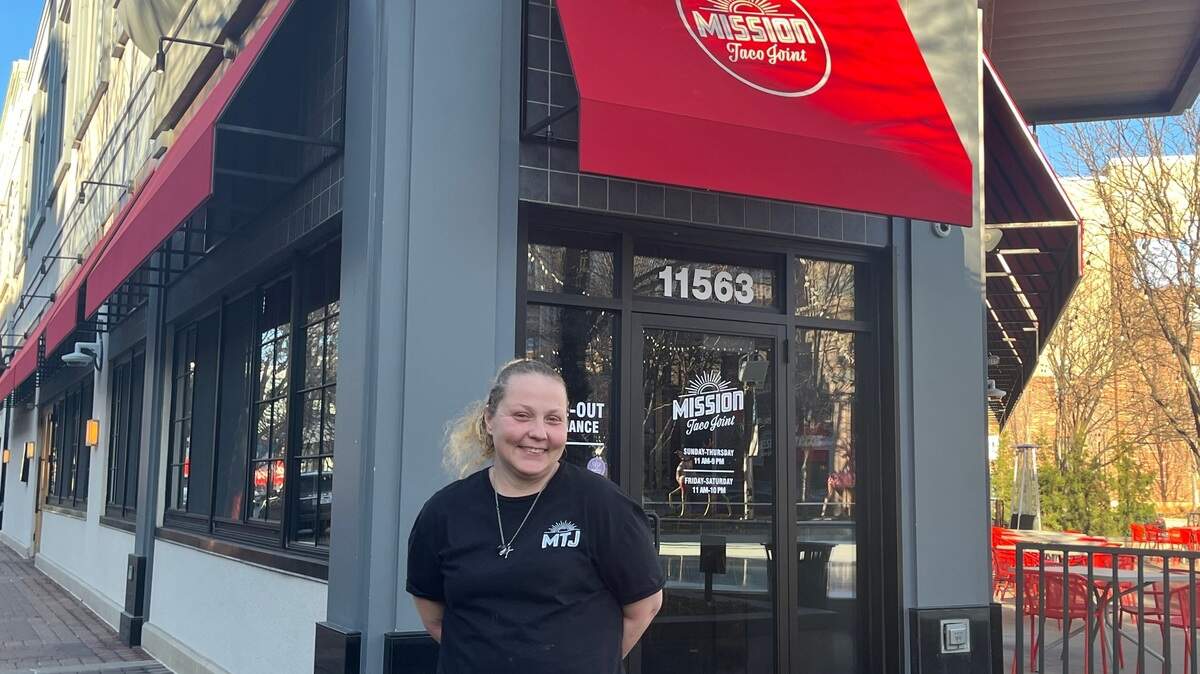
For more than 15 years, Marieta Ortiz has struggled financially because of a crime she said she committed to buy food and clothes for her daughter.
In May 2008, Ortiz pleaded guilty to using two checks for $500 or more when she didn’t have the funds for them, both felony charges, according to court records. She spent 48 hours in jail and 10 years on probation, she said.
Since then, she has been denied housing and jobs because of her felony conviction. Ortiz estimates she’s moved at least 10 times — often living with loved ones — because she can’t find a place of her own. She works two jobs, but neither pays enough for her to save money for a house or car.
“Even though I did the crime and the time,” Ortiz said, “I’m gonna pay for it the rest of my life.”
Ortiz, now 38, has no regrets. At the time, she was working as a certified nursing assistant at a retirement home to pay her bills and help out her daughter’s father. He told Ortiz he couldn’t afford food or clothes for their daughter.
She needed to provide for her child, so Ortiz bought food and other necessities using checks that bounced because she miscalculated and hadn’t properly balanced her checkbook, she said.
Last year, she and a group of other non-violent felony offenders spoke to Missouri legislators to educate them on the hurdles they’ve encountered since their sentences ended, in hopes that lawmakers would pass legislation that would automatically seal the records of non-violent offenders after a set period.
The bill, which failed to pass last year, would replace the current expungement process, which requires time and money for people who qualify to have their records sealed.
This session, the bill was introduced in the state Senate by Sen. Curtis Trent and Sen. Brian Williams and in the House by Rep. Phil Christofanelli and Rep. Justin Hicks. In January, the Senate bill was assigned to a committee.
Workers like Ortiz met with lawmakers again Tuesday to advocate for the legislation.

‘I didn’t know it was going to be this hard’
After she was charged, Ortiz lost her certified nursing assistant job, spent 48 hours in jail and was sentenced to 10 years of probation. While she completed her sentence, Ortiz said she continues to pay for the mistake in many aspects of her life.
Ortiz has switched jobs a number of times, finding work at various fast food restaurants or on the seasonal staff at the Royals’ stadium. She splits her time now between jobs at Mission Taco Joint in Leawood and RC’s Restaurant & Lounge near Martin City.
Every two weeks, Ortiz said she brings home several hundred dollars, depending on her hours and tips.
“With the way the rent is,” Ortiz said, “how are you supposed to even pay the deposit when you bring home that much?”
But with a felony charge on her record, Ortiz said she has to take the jobs she can get.
Because she can’t afford a car, tip money from her job at RC’s pays for Ubers to get to and from each of her shifts. When she feels sick, Ortiz said she can’t afford to see a doctor or take time off because the money she makes during one shift affects whether or not she can make it to another.
‘It’s a cycle’
The words of a correction officer still ring in Fran Marion’s head years after she was released from prison. He said he would see Marion in prison again.
Marion spent six years in prison after she tried to cash a stolen check in 2009 to afford the electricity bill for her household. She was the sole income supporting her then-partner, both their children and her partner’s mother through a job at McDonald’s that brought in $8.50 an hour.
She was sentenced to nine years in prison and released early on good behavior, Marion said.
“Looking back at it now, I still have the same questions,” Marion said. “As a mother, what are you supposed to do? My back was against the wall.”
Marion’s job options have shrunk because of the conviction, she said.
Her first job after the release was at Popeye’s, where Marion made a dollar more per hour compared to the McDonald’s job she had before she was charged.
After two years at Popeye’s, Marion asked to be a manager, but they told her the felony disqualified her from consideration.
“It kind of sets you up for that. It’s a cycle,” Marion said. “You know, here I am six years later still suffering and going through the same instances that I was going through that got me in predicaments where I caught my felony.”
She continued working at Popeye’s for several years. It took time to get that first job out of prison, Marion said, and she needed stable employment as part of the requirements of her parole.
Now on the management track at a Kansas City McDonald’s, Marion makes around $14 an hour and lives with a friend since she can’t afford rent, bills and other necessities on her own.
Her felony charge also makes a safe home hard to find, Marion said. Housing that accepts felons often has dismal conditions, she said. For around two and a half years, she lived with her two kids in a studio apartment infested with large rats.
She’s not alone in that struggle.
Hundreds of apartment complexes have rejected Ortiz because of her felony record, she said. She now shares an apartment with her cousin at a complex that rejected her for her own place because of her felony.
Some apartments that assured Ortiz she would be considered despite her felony rejected her after she paid the application fee, she said.
“I knew I was going to have some hard times, but I didn’t know it was going to be this hard,” Ortiz said. “Even after the probation and everything else, I thought it was going to be wiped off my record, and it still was on there.”
What is “clean slate” legislation?
While around half a million Missourians like Ortiz and Marion meet the criteria for expungement, just 1% have completed the process, said Gwen Smith, criminal justice policy manager at Empower Missouri, one of the organizations leading the charge for clean slate legislation in the state.
The petition process in Missouri is time-consuming and costly. Someone would first need to know they qualify to have their record cleared and likely hire an attorney, as the paperwork can be difficult even for people with a legal background, Smith said.
Then, the person applying would need to travel to the county where they committed the offense to file for expungement, creating another hurdle for people who don’t have reliable transportation or can’t afford to take time off work, like Ortiz, whose conviction was in Putnam County, Missouri, around two and a half hours from Kansas City.
A $500 filing fee is also required.
“As opposed to a petition-based process that would put the onus of responsibility all on the individual for navigating a very complicated system,” Smith said, “Clean slate would automate the process.”
If passed, Missouri would have three years to enact changes. Beginning Aug. 28, 2027, all records eligible for expungement would be automatically sealed, without the need for the current petition process. On a monthly basis, the office of court states administrator would need to identify all records newly eligible for expungement.
Officials would have until Aug. 28, 2029, to seal the records of people like Ortiz and Marion, who already qualify for expungement.
While law enforcement officials would have access to expunged records, they wouldn’t be visible during private background checks often performed by landlords and employers, Smith said. The legislation, she said, would help people who have completed their sentences receive the second chance they were promised.
Advocates knew the passage of clean slate legislation would be a multi-year process since the law would spur major procedural changes, Smith said.
Last year, Empower Missouri was happy with the progress the bill made. A House hearing was held with around 20 people testifying in Jefferson City, and more than 100 submitting online testimony about how the law would impact them, Smith said.
A dozen states have passed similar legislation, including Pennsylvania, Utah, Michigan, Colorado and Minnesota, according to The Clean Slate Initiative.
‘A great strategy’
Michigan’s clean slate law, which took effect in April, allows up to two felony convictions to be automatically expunged 10 years after sentencing or the persons’ release from custody. While some lawmakers have argued clean slate legislation could negatively impact public safety, J.J. Prescott,a professor at the University of Michigan, who studies criminal law, said that hasn’t been the case.
Among those people who had their records expunged by the former petition-based system in Michigan, few ended up back in the criminal system. Many people also saw their wages improve, and they had a higher chance of securing a job.
Automatic expungement reduces recidivism by eliminating some barriers to jobs, housing and education, according to Empower Missouri. The organization said people are 11% more likely to have a job and earn 22% higher wages one year after their records have been cleared.
Clean slate legislation can also relieve the emotional weight many people and their families feel because of their past convictions, Smith said. Clearing their record would mean they no longer have to worry about an employer firing them because of a past conviction and that they can make more money to support their children or anyone else who relies on them, he said.
“The evidence we’re seeing ... is pretty dramatic, suggesting that record-clearing is a great strategy,” Prescott said, “if you’re thinking about what can we do as a society to improve reentry prospects and to make people essentially buy back into society.”
Automatic expungement could come with some challenges, if the change isn’t properly communicated, Prescott said.
Unlike the current petition-based process, which requires applicants to take an active role in clearing their record, an automatic expungement system could leave some people unaware that their past records have been wiped.
If the legislation passes, Prescott said government and advocacy organizations should run communications campaigns, alerting people that their records have been cleared, so they can search for new jobs and housing without the burden of a past conviction.
They should also consider offering a free or low-cost way for people to check the status of their convictions, he said.
Marion said clean slate legislation could open the door for more job and housing opportunities for herself and other felons who have served their time.
She could look for jobs outside of fast food, and find a safe and healthy home to call her own.
“Above all else, I’ll be able to start to live,” Marion said. “Now, with everything I’m making and how things are going, I’m barely surviving. I’ll be able to feel what that second chance really is.”
This story was originally published March 13, 2024 at 6:00 AM.