Some worry this may mark the beginning of the end of free bus rides in Kansas City
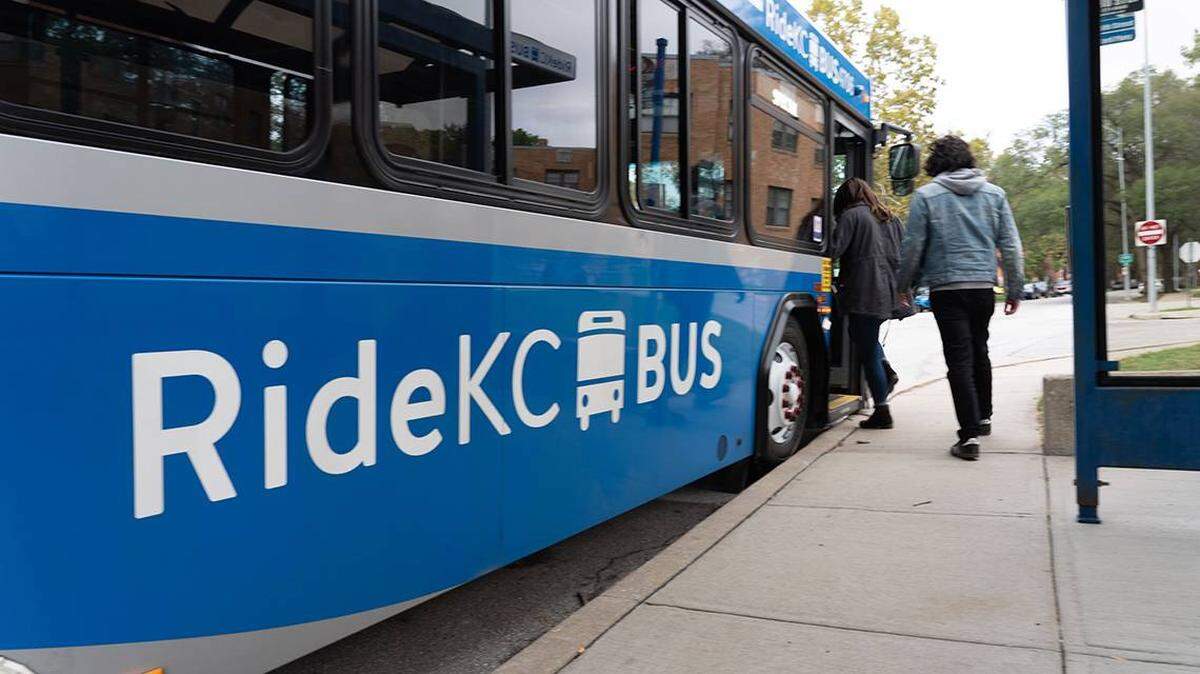
Public bus rides have been free in the Kansas City area for nearly four years, but RideKC’s zero-fare policy could be coming to an end.
Frank White III, president and CEO of the Kansas City Area Transportation Authority, will ask the KCATA board of commissioners on Wednesday for permission to start planning for reimposition of a fare system in 2025.
The board could tell White to go ahead, or put that decision off to another meeting.
Reinstituting a fare system would generate $5.8 million to $7.1 million a year, a consultant estimates, even though ridership would fall by as much as a third. Bus rides would remain free for those who cannot afford to pay, while other groups, such as people beyond retirement age, would pay discounted fares.
While it could be months before a final decision is made on whether to reinstate fares, public transit advocates fear that even studying what it would take to reintroduce a fare collection system is a step in the wrong direction.
Sunrise Movement KC, a group that supports policies that address climate change, is asking its members to give testimony at Wednesday’s board meeting in support of continuing the free fare policy.
“Bus riders must come together and demand Zero Fare forever!” the group said on its website. “We must show our power!”
Kansas City Mayor Quinton Lucas continues to “unequivocally support” the zero-fare policy, which the city and the KCATA jointly initiated in March 2020, according to Lucas’ chief of staff Morgan Said.
City sales taxes underwrite more than half of the costs of operating the buses that run within the city limits. Federal and state dollars provide the rest. Taxpayers in Johnson County, Independence and Wyandotte County help underwrite the cost of service in those areas.
Before Kansas City became the first major city in the United States to eliminate fares, one-way rides with a free transfer cost riders $1.50. An all-day pass was $3. Some express rides cost more.
Riders paid with cash, fare cards or with a phone app. The study White wants authorization to conduct would determine how much the new fares should be and how best to collect them. All of the fare collection machines still on the buses would likely need to be replaced, a KCATA spokeswoman said.
White’s desire to reinstate fares us more than a financial matter. A fare system would have the “potential to address issues related to loop riders who may ride the bus seeking shelter or for other non-transportation reasons,” according to a study prepared for the KCATA.
Some bus drivers have complained that the lack of fares contributes to disorder on buses.
But Sunrise Movement organizer Raymond Forstater says eliminating the zero-fare policy will hurt poor and working class bus riders.
“Zero fare is an extremely popular policy among bus riders that has proven to expand access to jobs, health care, education and other basic essentials,” he said.
This story was originally published December 19, 2023 at 2:56 PM.