
‘Animals take the shape of our friends’: KC Zoo staff grapple with death of oldest giraffe
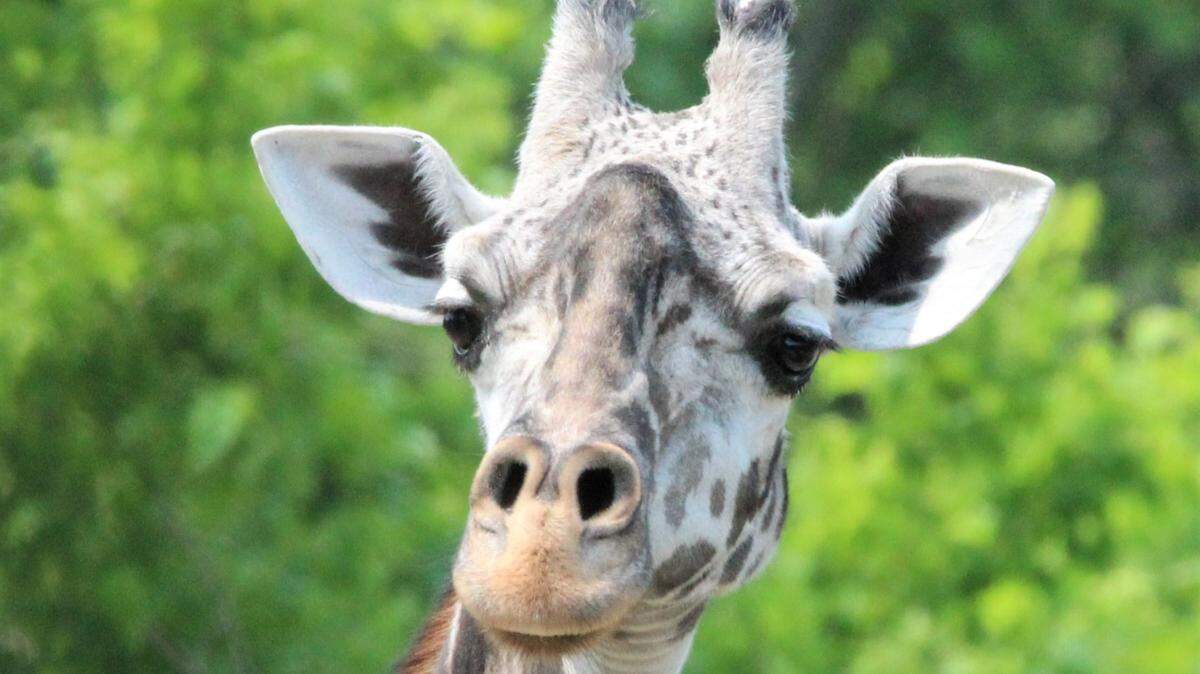
Mahali or “Mo,” as she was known by her keepers at the Kansas City Zoo who loved her, stood in grand stature, towering in the blue sky over the “African Plains,” earning at 15 feet tall the title as the tallest female of the herd.
But for Mahali — who for more than two decades thrilled thousands of guests, and who warmed the hearts of her keepers now mourning her loss — the sun has set on her days of roaming the zoo’s African Plains.
“Mo was one of those we knew that everybody loved,” said Jorge Rivera, the team lead for the African Savannah Department that oversees the zoo’s African Plains.
“Some of our team may not be healed yet,” said Rivera, adding that Mahali’s recent death has impacted the zoo’s staff.
“We pour so much of ourselves into the care of these animals. In a way, some of these animals take the shape of our friends and families.”
Mahali was euthanized last month due to her worsening chronic condition, according to Kansas City Zoo officials. A full diagnosis of the disease will be determined from an autopsy following her death on Oct. 19, zoo officials said.
Despite her illness, Mahali lived a long life for a giraffe. She was 29, exceeding the median life expectancy for giraffes in human care, which is nearly 16 years, according to the Association of Zoos and Aquariums.
To the Kansas City Zoo, Mahali served as a key ambassador for Masai Giraffes, an endangered species whose numbers have declined nearly 50 percent in the last three decades. The longest known living giraffe died in July at a Texas zoo, at age 31, according to published reports.
For nearly three decades, thousands of guests visiting the Kansas City Zoo marveled at the sight of Mahali, a giraffe whose species is among the tallest mammals in the world.
With Mahali dying only about two years shy of the record, Kansas City zoo officials say Mahali lived a good long life by giraffe standards — one that had a human impact on both those who were her attentive caregivers and also the zoo’s patrons who mused and marveled at her beauty. Also clear is that Mahali left behind a legacy among her herd she helped nourish and lead, and also among several of her offspring currently housed at other zoos around the country.
‘Like family’
For Kansas City Zoo officials, the death of a giraffe — or for that matter, the death of any animal at the zoo — is not a negligible thing. It is akin, they say, to losing a close friend or family member. Many of the animal care specialists who tend to animals develop a deep connection with these animals over time.
Indeed, around the zoo, they’re still coping with the loss of Mahali. But much like coping with human loss, remembering fonder times can be medicinal.
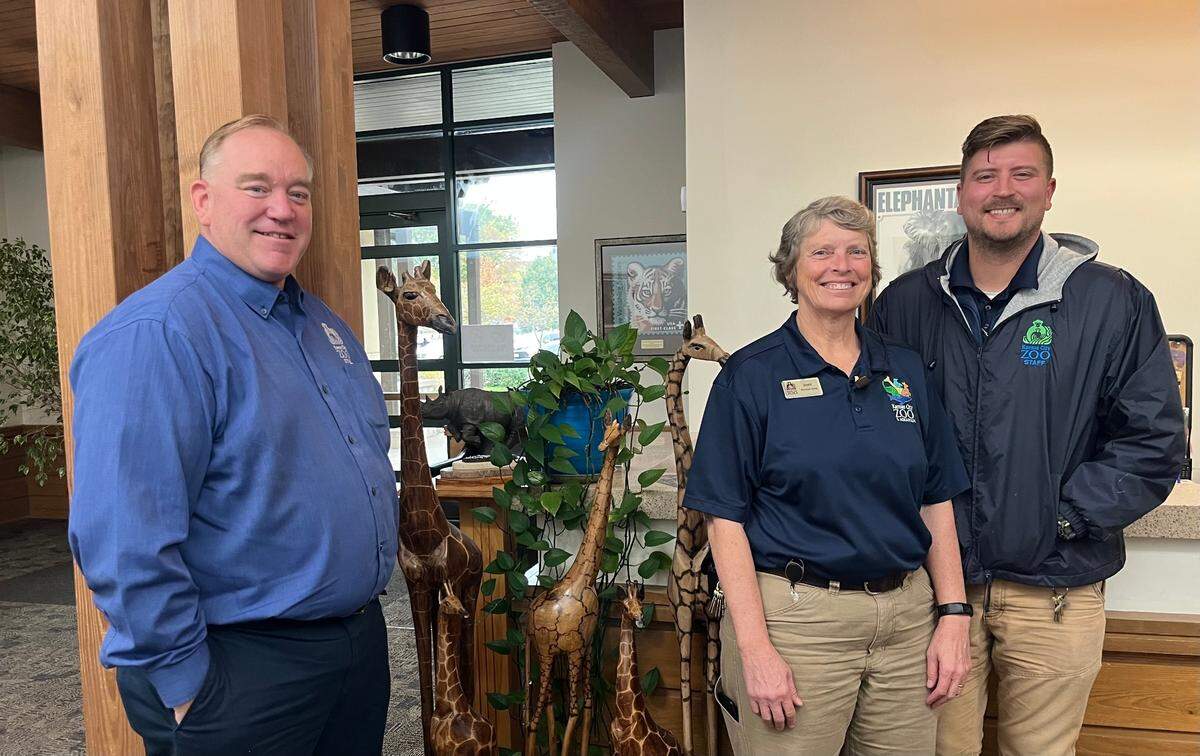
Last week, Rivera, Sean Putney, the zoo’s executive director, and Joni Hartman, animal curator, reminisced about their beloved Mahali. Hartman, who has worked at the zoo for 34 years, fondly recalled winning over the other giraffes, especially Mahali, by sneaking them pieces of their favorite snack.
“I’d stop in the morning on my way to work and cut some prairie bundle flower to bring in,” Hartman said. “Then I would sneak some to the giraffes every morning, so they’d all form little bonds with me.”
But Hartman’s shenanigans were apparently not done in the dark.
“We all knew,” her colleague, Rivera said, laughing.
Her caregivers described Mahali as a magnet, attracting staffers, zoo visitors, and even new calves.
“Every time we were scared of trying something new with the giraffes, a training session, or something with their diet, we knew if one animals gonna do it, it’s going to be “Mo,” Rivera said. “She always gave us hope that if she could do it, the rest could.”
Putney remembered seeing Mahali at the zoo when he first arrived more than 16 years ago as an animal curator, eventually rising to executive director. He said that the bonds formed with animals extend far beyond the caregivers.
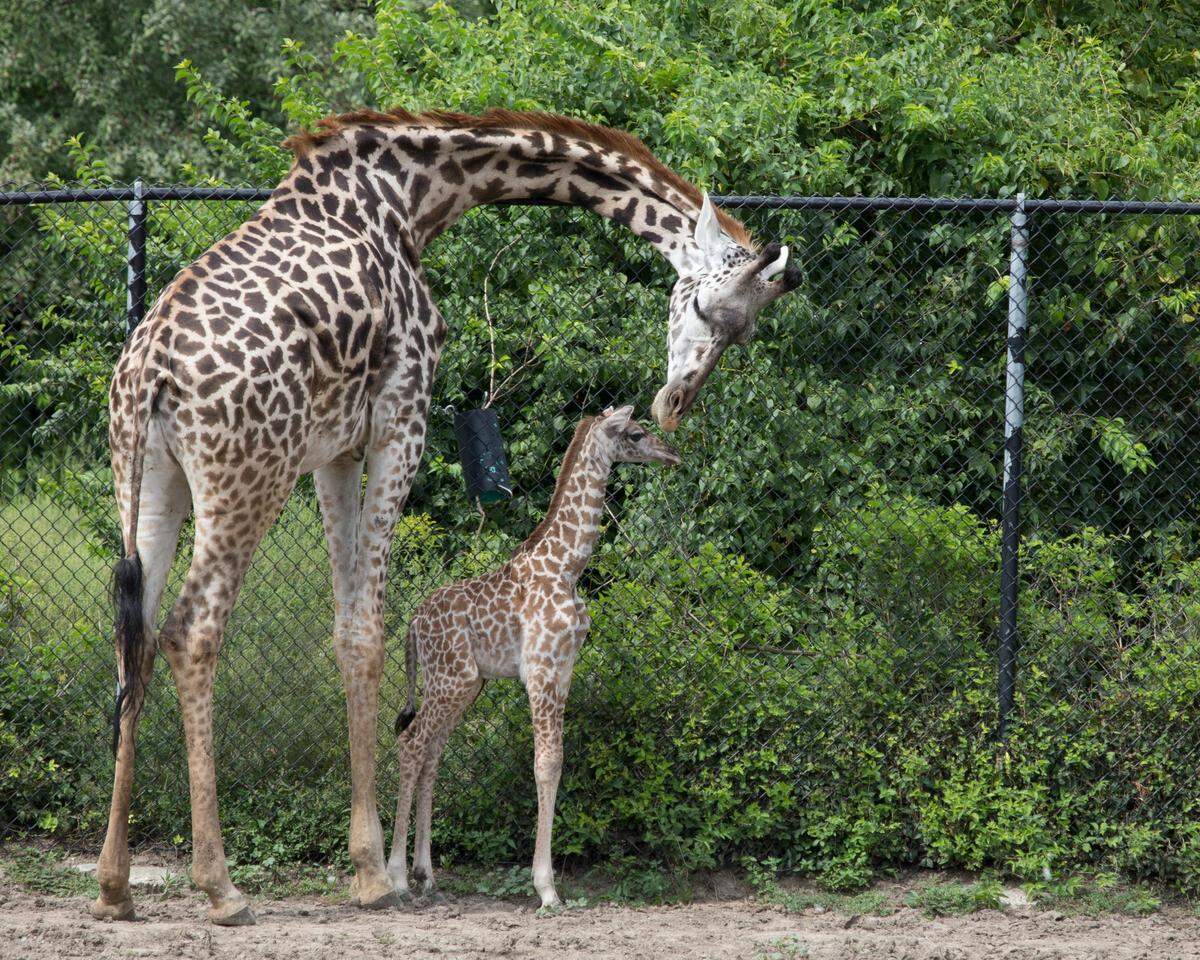
Her caregivers also remember Mahali, eldest of the zoo’s four Masai giraffes, for her soothing motherly aura.
Whenever a new giraffe arrived, the staff would place them with Mahali to help alleviate their fear and acclimate them to their new home. In fact, Rivera remembered how young giraffes arriving at the zoo would sometimes begin running out of fear. But they would eventually come to a halt, then gaze at Mahali who sat unbothered, and discern there was no reason to run, since Mahali wasn’t fazed. Rivera affectionately called Mahali, “Grandma Mo.”
Most of the giraffes placed at the zoo arrive as calves are newly separated from their parents. For them, Mahali was like a mother, helping them make a smooth transition, zoo officials said.
Before she was euthanized, her caretakers noticed a decline in her health. Making the decision wasn’t easy, they said. But those who loved Mahali couldn’t bear her suffering.
Over time, she had trouble standing, which affected her mobility.
She had also started to lose weight, even though she was eating. Always known for her eagerness and willingness to do anything, as her health worsened, she became less cooperative with trainers. Ultimately, staff agreed that they didn’t want to see Mahali — who in her health stood poised, soaring in the air — struggle to stand every day. Preserving her dignity, they said, was most important.
Amid the loss, the Kansas City Zoo provides therapy for animal caregivers and other workers impacted through its employee assistance program. Although zoo officials said, professional therapy is available for staff, Rivera said there is strength in simply leaning on each other.
“In times like these, we know to be patient and kind with each other,” Rivera said. “We provide support without even having to count on outside resources, knowing we can count on each other.”
“…The other teams will jump in, they’ll bring them treats, offer condolences, and take on their duties, shoveling a stall, or lend a hand where it’s needed,” Hartman said.
Last week, a woman at the Kansas City Zoo’s front desk, who has been working there for 10 years, became emotional while discussing Mahali.
“It makes me sad,” she said tears forming in her eyes. “While you’re here, the animals become like family.”
As they mourn, the staff choose to lean into the fond memories of Mahali and her legacy. During her lifetime, she gave birth to three calves and has a line of grandchildren at other zoos across the country. Her granddaughter Chandy, 4, is one of the young giraffes at the Kansas City Zoo.
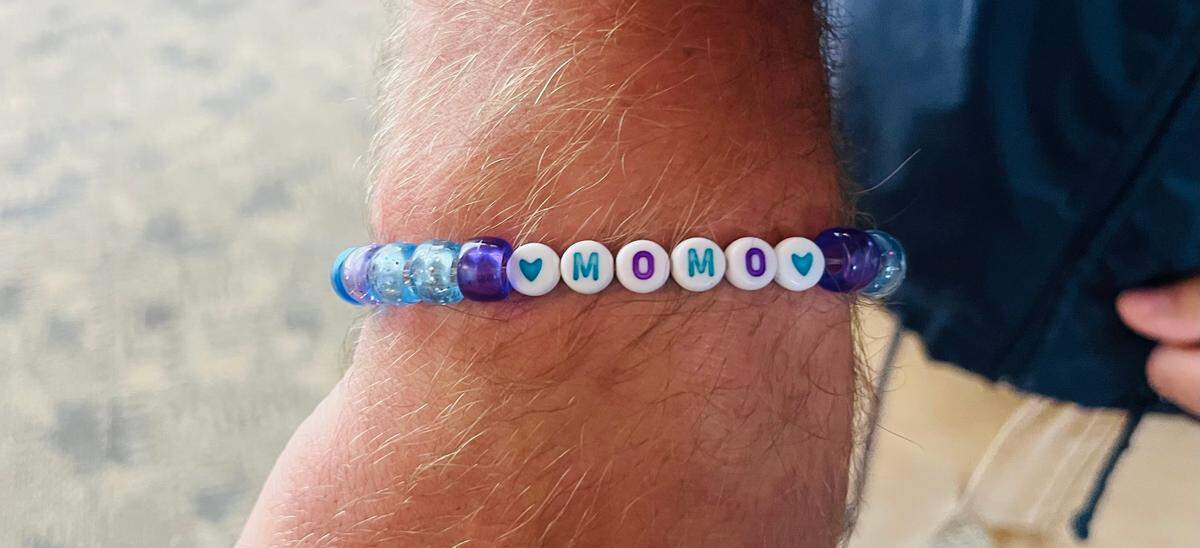
Mahali’s skeletal remains will be buried on zoo grounds away from public view. And she’ll be remembered by staff as the “ultimate giraffe.” Rivera and his team will cherish Mahali’s memory, symbolized by a blue and purple beaded bracelet they wear on their wrist and inscribed simply, “Mo.”
“I get sad thinking about it…” Rivera said. “It will probably be like that for a long time because she was a really special one.”
This story was originally published November 3, 2023 at 10:51 AM.