Carbon monoxide devastated a Johnson County couple. Here’s how to make your home safe
A silent killer took the life of a Shawnee Mission North High School teacher and left her wife hospitalized late last week.
It was carbon monoxide.
The odorless, colorless gas is produced as a byproduct in furnaces, water heaters and other appliances.
In this case, the gas fatally poisoned Kenna Kobin-Campbell, an instructional coach at Shawnee Mission North, and left her wife Katie Kobin in intensive care. The couple’s cat and two dogs died.
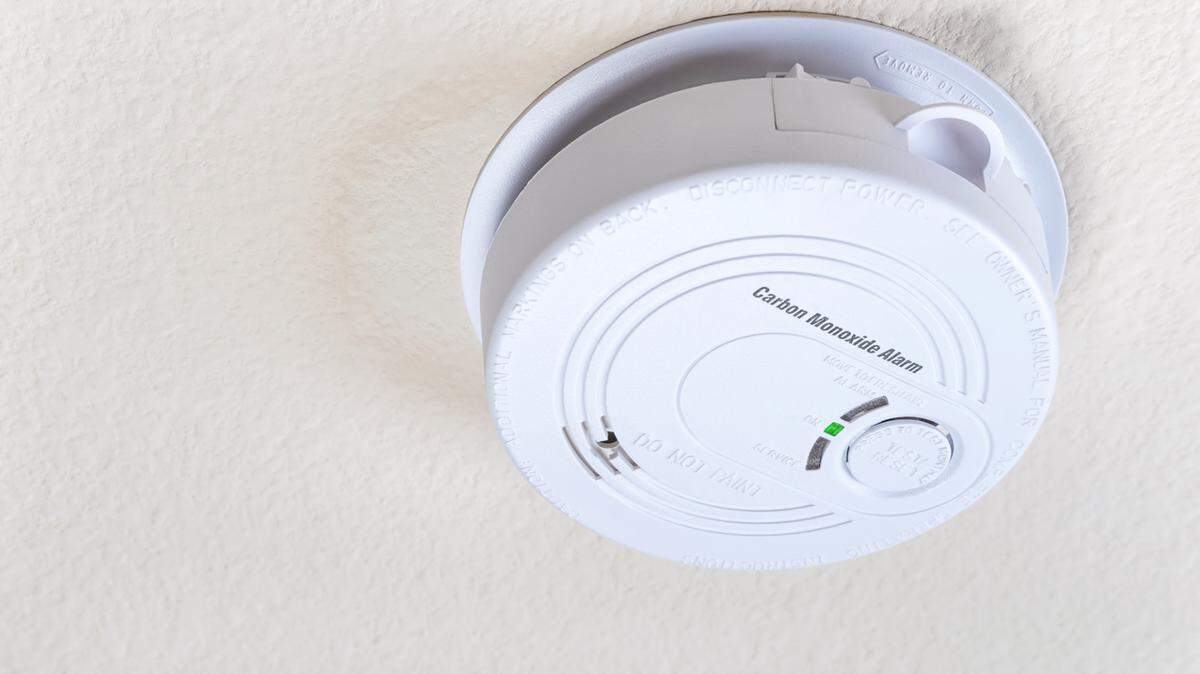
Officials said the home had a carbon monoxide detector, but the couple did not hear it.
At least 420 people die and more than 100,000 visit the hospital every year for accidental carbon monoxide poisoning, according to the federal Centers for Disease Control.
How do you make sure your home is safe from undetected carbon monoxide leaks? Fire safety and health organizations offer the following guidance.
According to the National Fire Protection Association, residents should have a carbon monoxide detector near every area of the house where someone sleeps and on each level of the home, including the garage if they have one.
The CDC says if you are getting a single carbon monoxide detector, place it near where you sleep and make sure the alarm is loud enough to wake you up.
The International Association of Fire Chiefs recommends that you install your carbon monoxide detectors within 10 feet of each bedroom door and that you should replace each detector every 5-6 years.
Residents should follow directions for installation and test the alarms at least once a month.
What are the symptoms of carbon monoxide poisoning?
Carbon monoxide enters your system through breathing, and poisoning can be mistaken for flu-like symptoms or food poisoning.
Some symptoms you should look for include shortness of breath, light-headedness, headaches, dizziness or nausea, according to the National Fire Protection Association.
Carbon monoxide is measured in parts per million and is a factor in the symptoms of the average, healthy adult.
If you or someone else you know thinks you have carbon monoxide poisoning, here’s what you should be looking for, according to the National Fire Protection Association:
- 50 ppm: No adverse effects within 8 hours of exposure.
- 200 ppm: Mild headache after 2-3 hours of exposure.
- 400 ppm: Headache and nausea after 1-2 hours of exposure.
- 800 ppm: Headache, nausea, and dizziness after 45 minutes; collapse and unconsciousness after one hour of exposure.
- 1,000 ppm: Loss of consciousness after one hour of exposure.
- 1,600 ppm: Headache, nausea, and dizziness after 20 minutes of exposure.
- 3,200 ppm: Headache, nausea, and dizziness after 5-10 minutes; collapse and unconsciousness after 30 minutes of exposure.
- 6,400 ppm: Headache and dizziness after 1-2 minutes; unconsciousness and danger of death after 10-15 minutes of exposure.
- 12,800 ppm: Immediate physiological effects, unconsciousness and danger of death after 1-3 minutes of exposure.
The Star’s Andrea Klick contributed.
This story was originally published October 5, 2023 at 12:04 PM.