
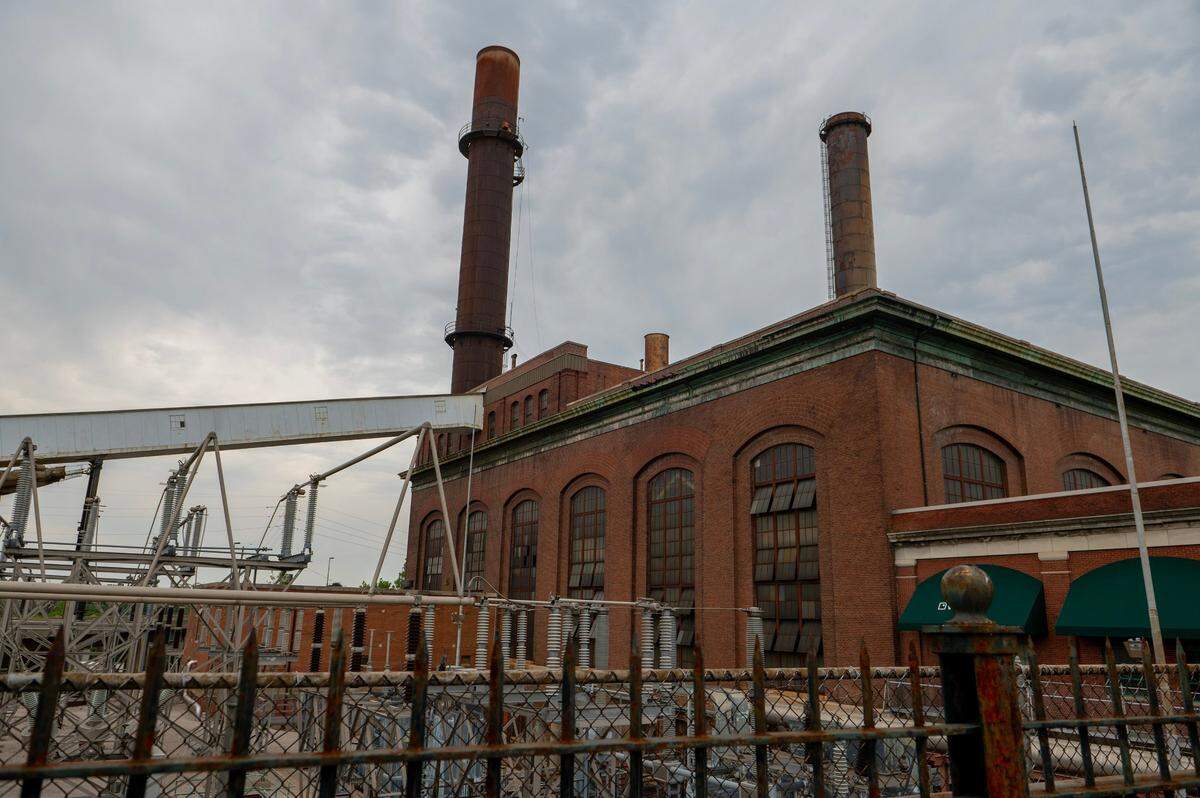
What happens at this steampunk-looking building on the northern edge of River Market?
Maybe you’ve seen steam clouds rising on the north edge of the downtown loop. Or spotted them popping up from manholes on 10th or 12th streets. Or along Wyandotte Street near the Loew’s Hotel.
If you’re like most of us, you’re not sure why.
Here’s the answer: The clouds of steam are a product of “district energy,” in which a production facility sends thermal power for heating and cooling to buildings through a network of pipes.
Colleges and hospitals with their central boiler plants are familiar examples of district energy, but they’re usually much smaller than the system Vicinity Energy has built downtown.
From its plant at East First Street and Grand Boulevard ,which originally powered streetcars and downtown streetlights, Vicinity serves 60 large-scale customers, including Bartle Hall, the Marriott Hotel, Lifted Spirits Distillery, the Folly Theater, Flash Cube Apartments and the T-Mobile Center.
The advantages of district energy are easy to picture. Because Vicinity delivers steam and chilled water, the buildings on the receiving end don’t need to install expensive heating and cooling systems of their own.
“We just put a pipe in the building,” says Josh Jeffus, plant manager. “They don’t have to worry about inspections or maintenance. It’s just turn it on, turn it off.“
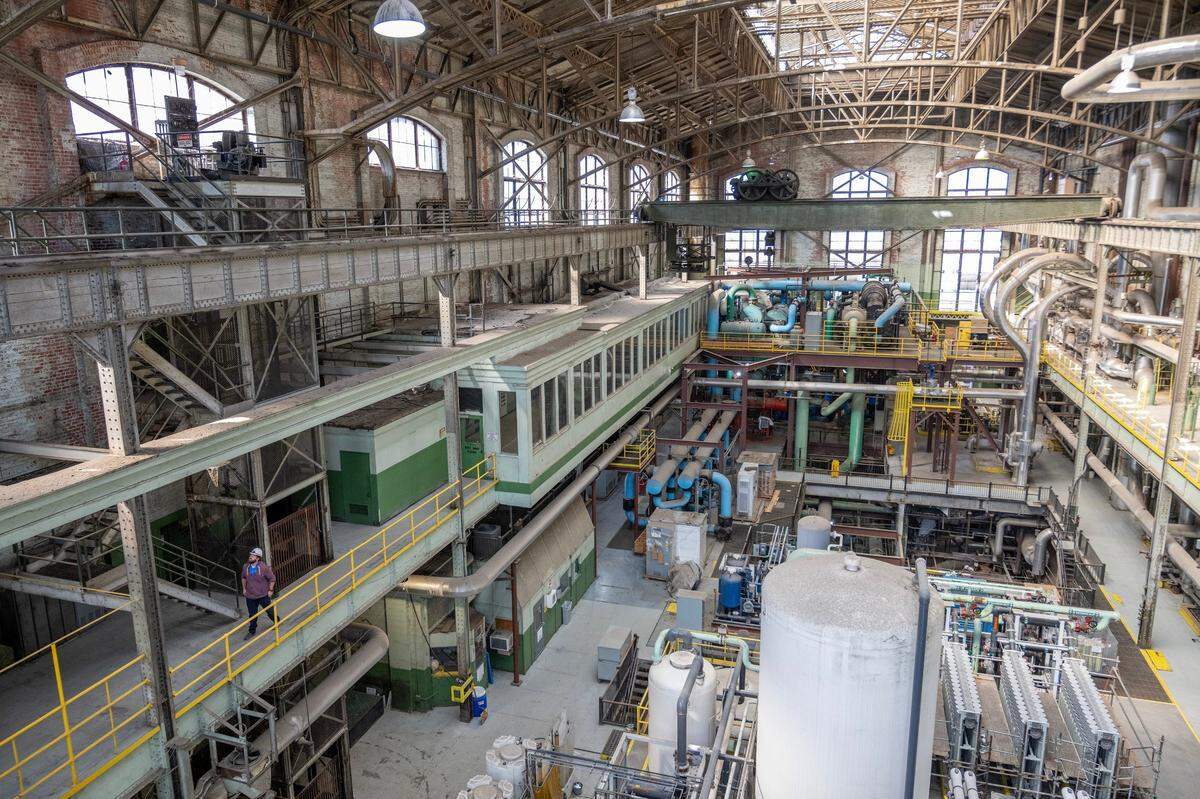
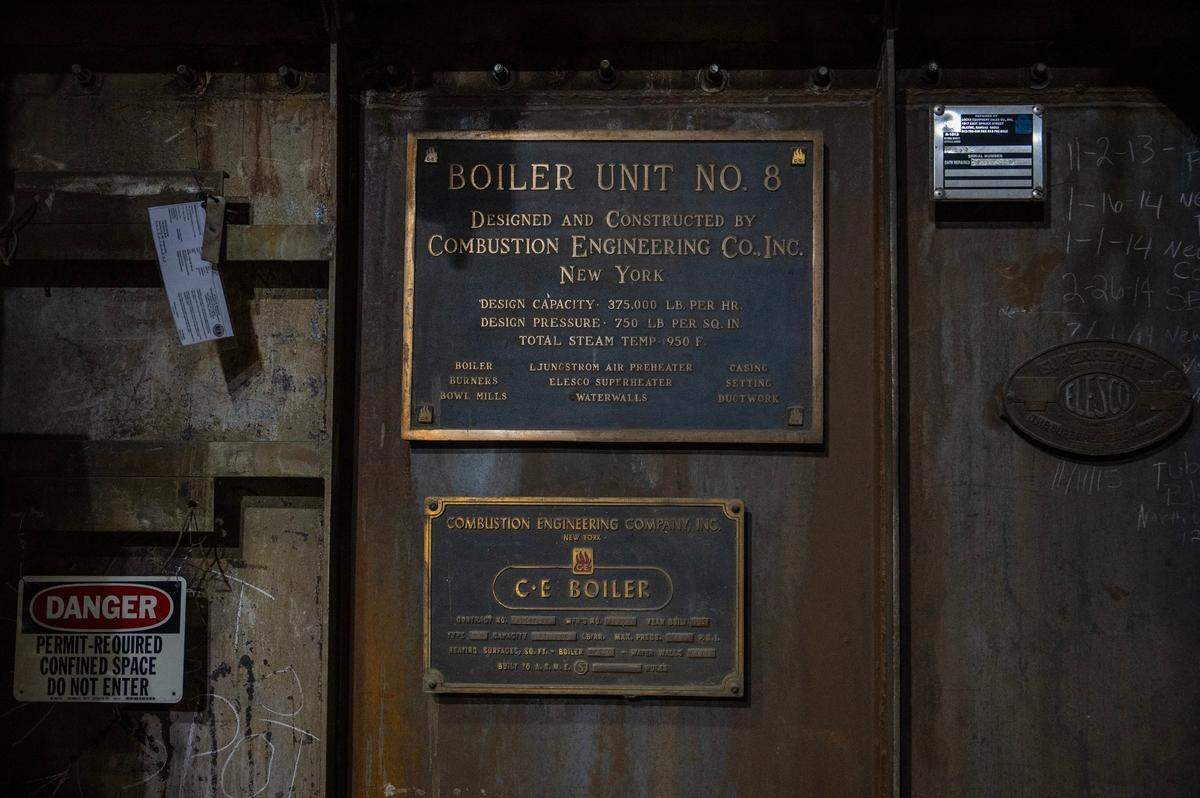
Jeffus loves showing off the 120-year-old facility near the Missouri River, where combined heat and power — or CHP — energy is generated.
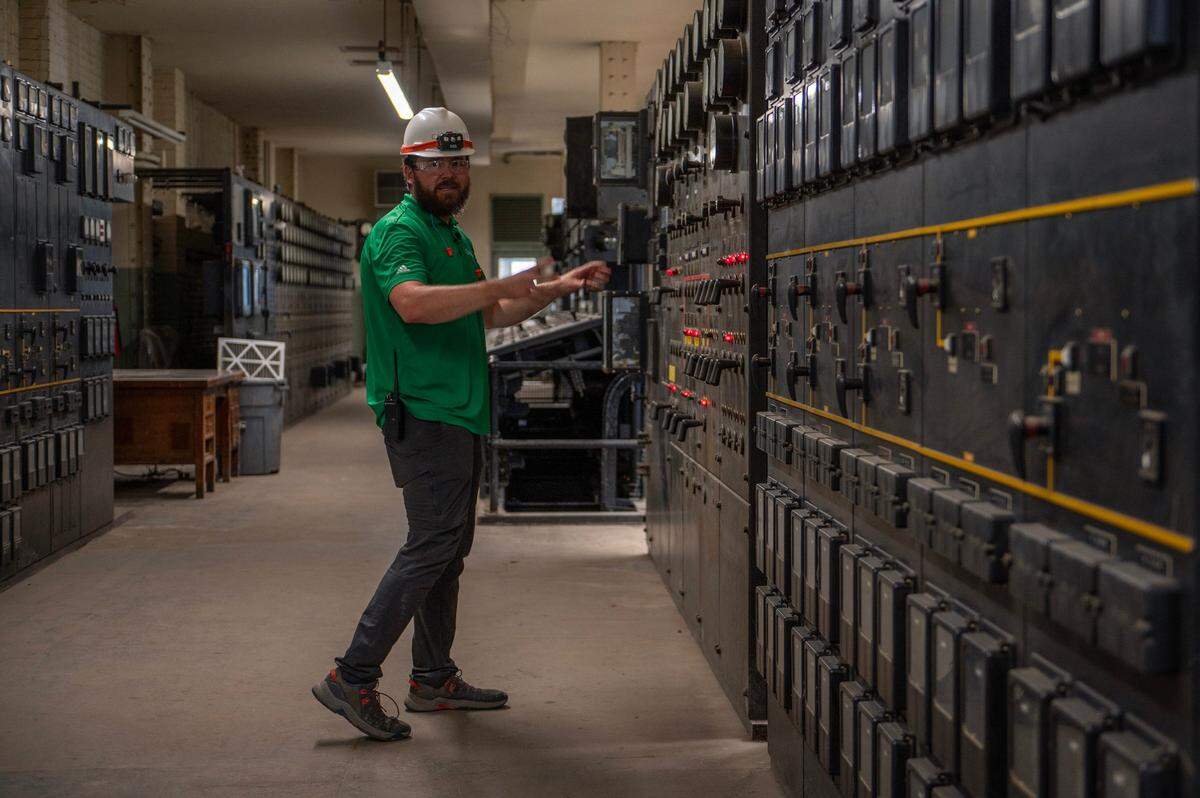
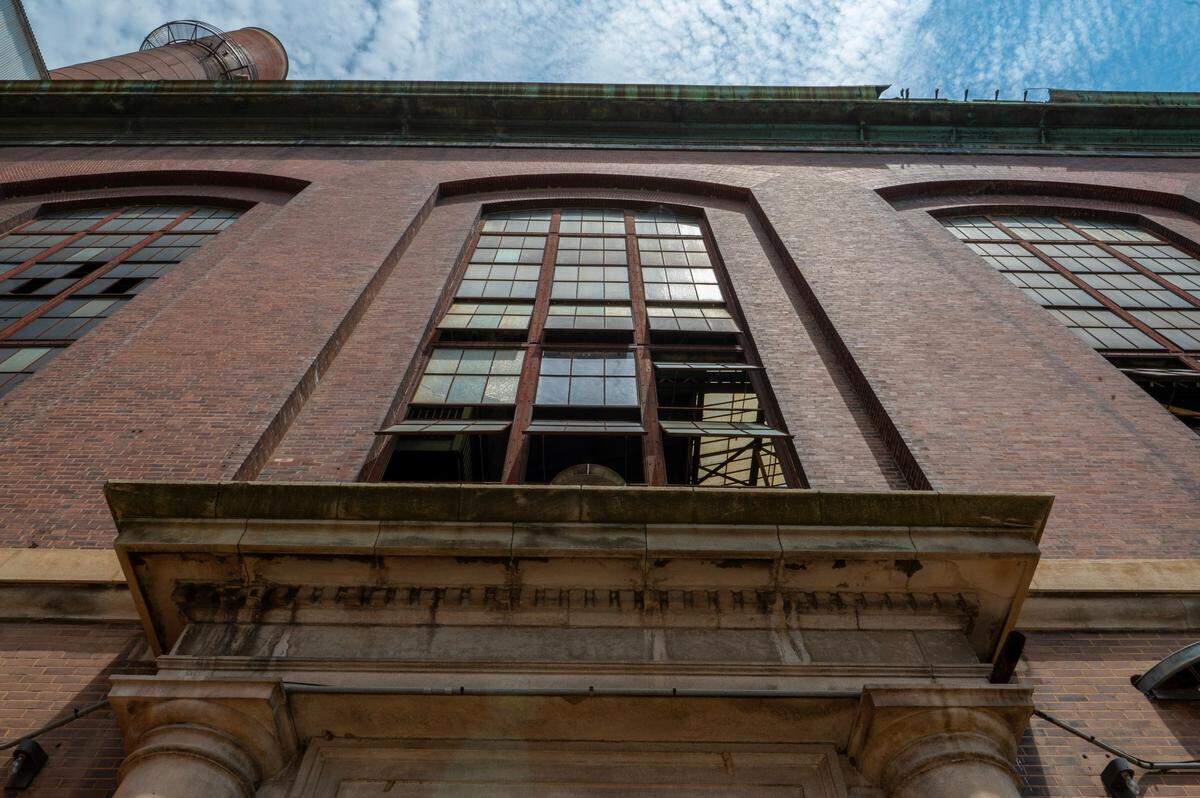
He says it’s like working “in the Smithsonian.” The huge brick building with copper around its roof is filled with machinery old enough for Medicare, but in many cases is still doing the job.
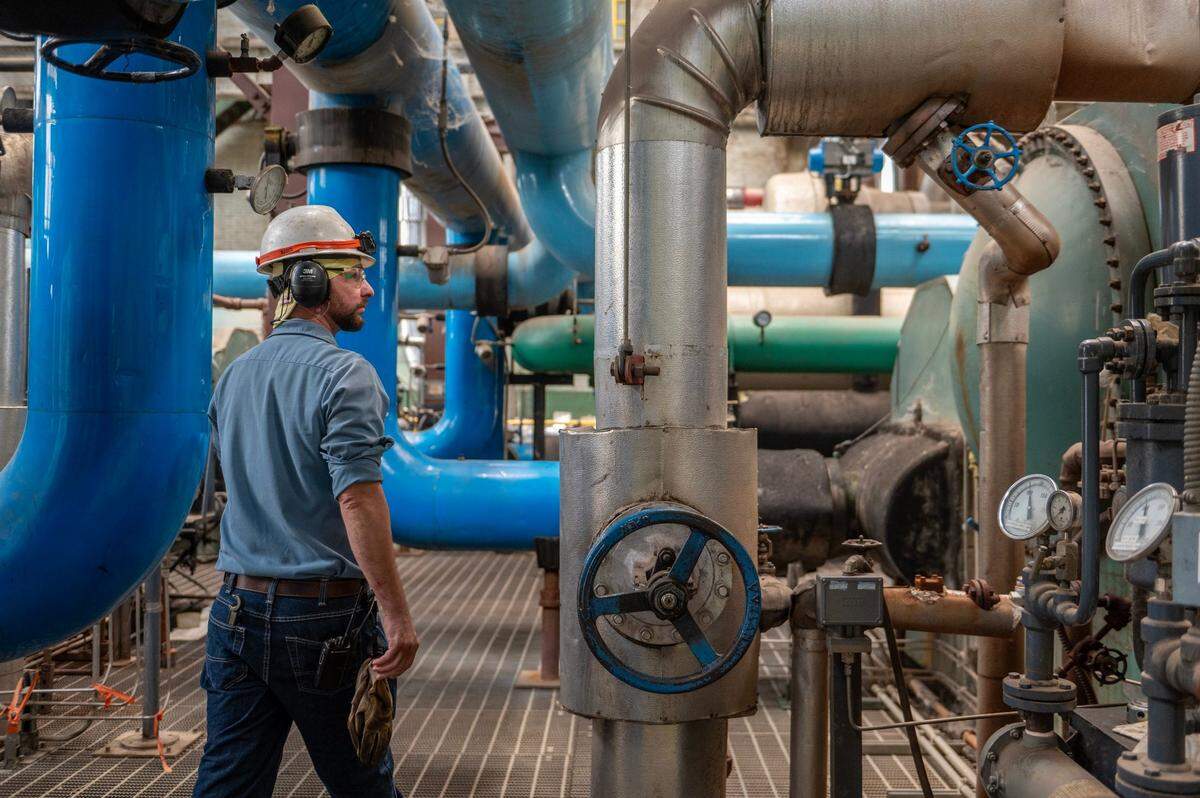
Plus, he says, the plant’s builders added numerous touches to make it a visual treat. “When you see some of these valves that they built 100 years ago, it’s not just a hunk of steel. They engraved things in the side of them. There are bricks placed in the wall just to make it look better.”
The plant, which was previously owned by the French company Veolia, transitioned from coal to natural gas in 2017, making the operation’s carbon footprint even smaller than before.
Next year, the building should see considerably more foot traffic pass by when the new KC Current stadium opens just down the road. Jeffus looks forward to welcoming the curious, and touting the green upside of the whole district energy process.
“I hope it draws more attention to sustainability,” Jeffus says. “And in sustaining old equipment. Not just tearing things out and putting them in the landfills.”
This story was originally published September 28, 2023 at 5:30 AM.