Remains of 3,280 Native Americans found in MO haven’t been returned to tribes. Why?
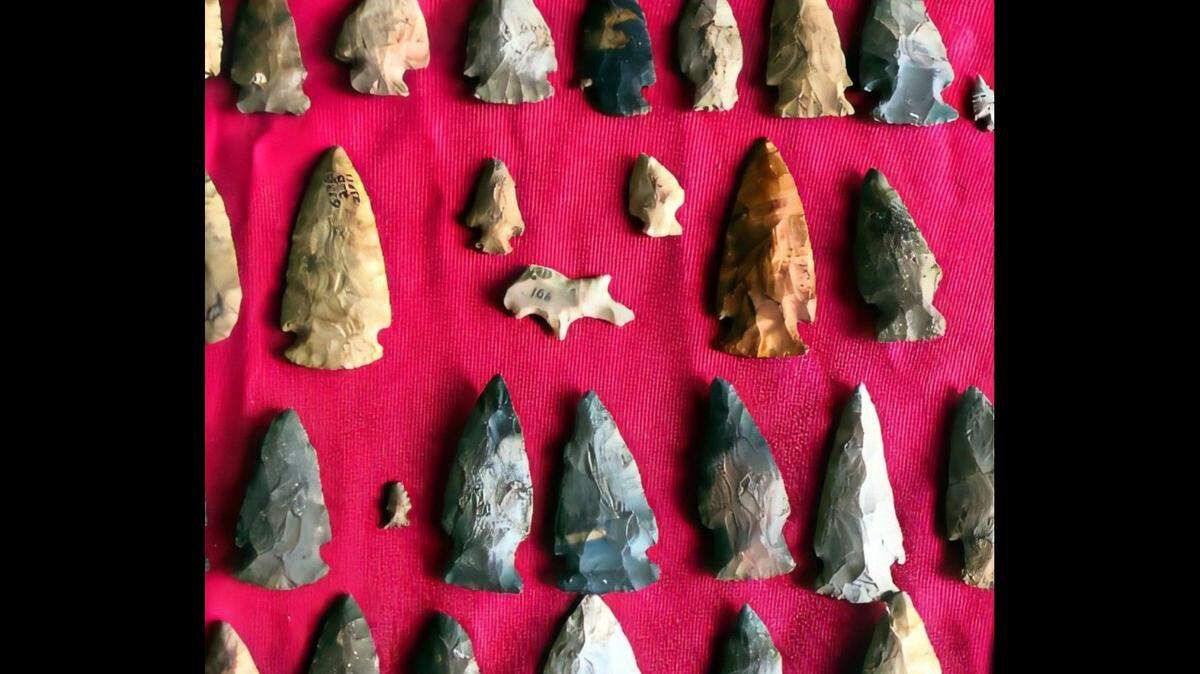
The remains of nearly 3,300 Native Americans once excavated in Missouri have yet to be repatriated to their tribes despite a decades old law mandating their return.
Thirty-eight institutions spanning from Utah to New York City have acquired the remains, though most are still in Missouri, including more than 2,270 ancestors held by the University of Missouri’s Museum of Anthropology and nearly 200 remains stored with the Missouri Department of Transportation, according to data from the National Park Service, which oversees repatriation efforts.
Their return to tribes is mandated under the Native American Graves Protection and Repatriation Act. NAGPRA, a federal measure passed in 1990, requires institutions that receive federal funding to inventory and then return Indigenous remains.
But the law’s implementation has dragged on for decades.
Tribes and institutions say the process is complicated by a lack of records, which makes it challenging to figure out which remains belong to which tribe. Funding and complex bureaucratic steps also present hurdles.
And repatriation efforts in Missouri have been stymied by the state’s racist history toward Native Americans. Tribes were forced into Kansas and Oklahoma and then in 1839, Missouri made it illegal to be Indigenous in the state without written permission from a federal agent, said scholar Greg Olson, author of “Indigenous Missourians: Ancient Societies to the Present.” Reservations were never set up, making relationships between local institutions and out-of-state tribes slower and more difficult to establish after NAGPRA’s passage.
“To have to be forced away from your home and leave your relatives behind, that was really, really painful for them,” Olson said. “And then to compound that pain, other people would come behind and dig them up and put them in museums or whatever. So I think it’s important for healing that the different Indigenous tribes be able to get those ancestors back and to have a say in what becomes of where they end up resting.”
Some institutions have made strides and repatriations are scheduled for next year.
That includes an ancestor removed from Platte County and held by the Kansas City Museum, who will be repatriated to the Pawnee Tribe, based in Oklahoma, and about 500 ancestors found near three Missouri lakes.
“To see them finally reburied, that’s a blessing,” said Marti Only A Chief, the NAGPRA officer for the Pawnee Tribe. “That way they’re just not sitting on a shelf.”
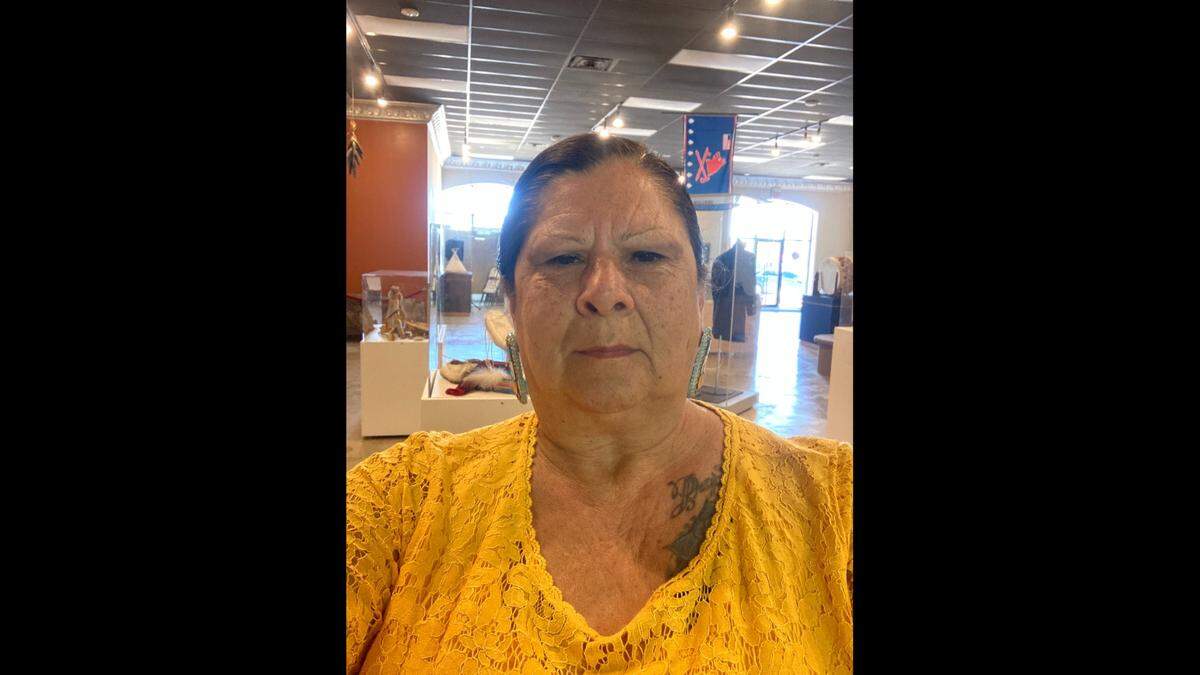
Ancestors with the Kansas City Museum
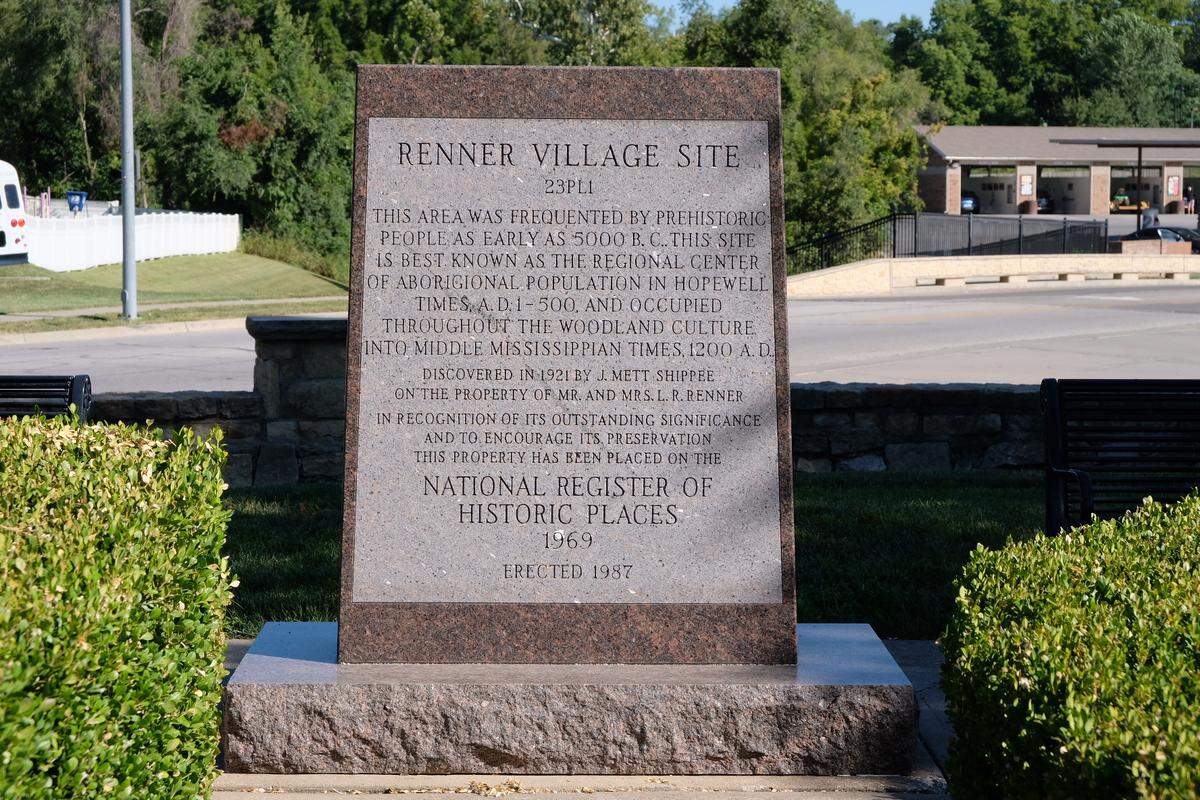
There is evidence that native groups lived near the Missouri River in what is now part of Riverside as far back as 5000 B.C.E.
Research from the land shows the village had one structure that was likely used for social and ceremonial events, and that about 100 people lived there at any given time. People survived to about age 35, according to Gary Brenner, whose family owned part of the site in Platte County. Burial mounds were made with dirt or rocks.
In the 1870s, people began digging up graves as they searched for what they thought of as “treasures,” Brenner said.
When he began learning about the history of the property from his great-great aunt in 1979, he became consumed with archaeology. He has collected hundreds of items including arrowheads and pottery pieces from the area.
Brenner learned that in 1937, the Smithsonian led the first professional excavation of the site. Archaeologists found bones, tools and stone artifacts.
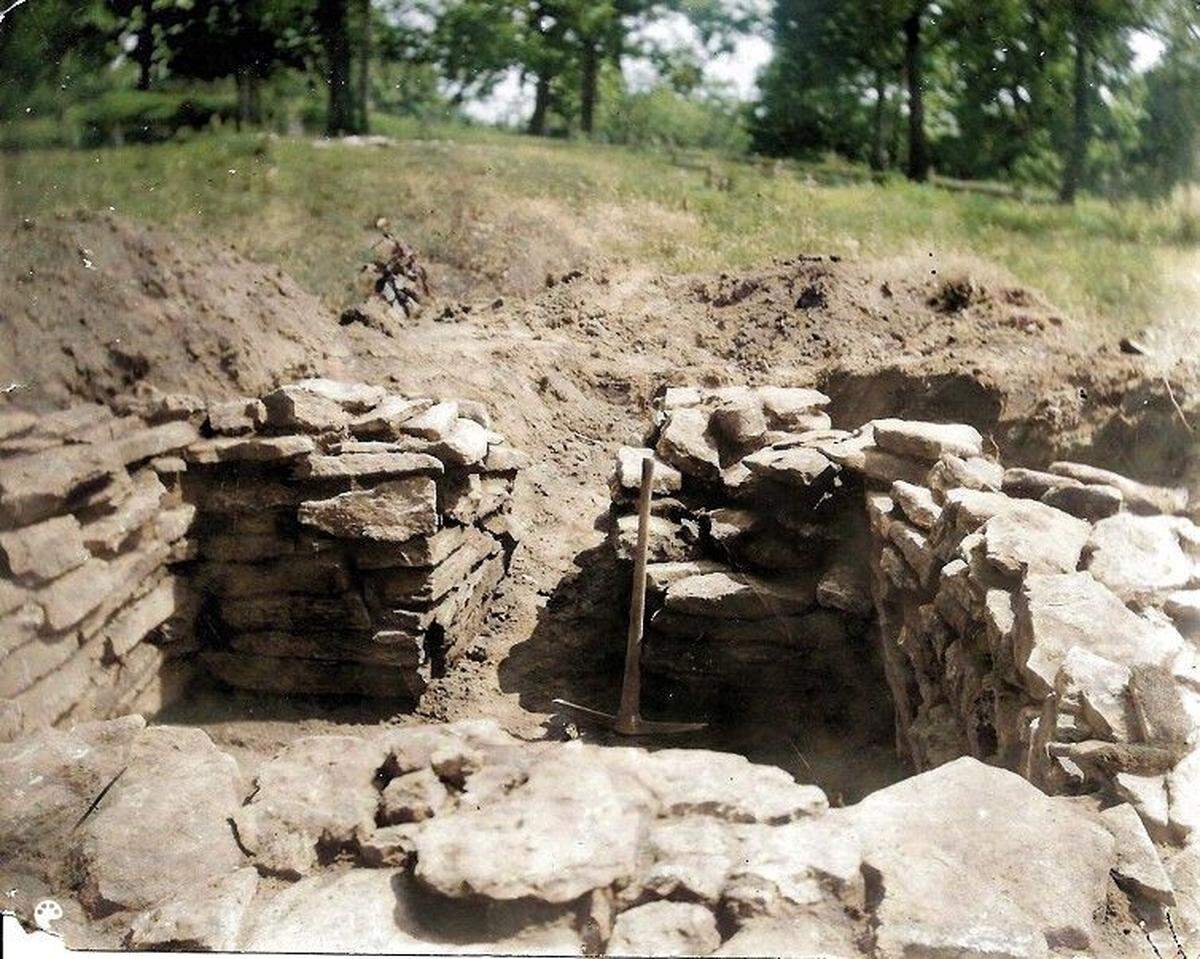
The remains of a teenager were removed in 1954 during a project conducted by the Kansas City Museum, the University of Missouri and the Kansas City Archaeological Society.
In July 2022, the museum began working with the Pawnee Tribe to begin the process of returning the teen’s remains. The repatriation will take place next spring.
While the tribe did not live in Missouri, they traveled to the area to hunt.
In addition to Platte County, Only A Chief said the Pawnee had a presence in Atchison, Buchanan, Clay, Jackson and Polk counties in Missouri. This is the first repatriation from the state.
“I believe everybody is starting to understand that we want our relatives back and we want to give them a proper burial,” she said.
The tribe has land in Nebraska where reburials take place.
Lisa Shockley, curator of collections at the museum, said the ancestors “do not belong in a box in my storeroom.”
“I will take care of them while they are here,” she said. “But it’s not where they belong. It’s not my fault they’re here, but I’m really sorry they’re here and I want to try and make it right.”
Brenner, who was elected to the Riverside City Council in the 1980s, helped transform the land into a city park. In 1987, a small monument was dedicated commemorating the village site.
His view about the fate of Indigenous remains is conflicted.
“Archaeologists should be allowed to gather all the information they can and then give it to whoever needs it so it can be property interred,” he said.
Sometimes, he also said, there isn’t definitive proof about which tribe the remains came from.
At the same time, Brenner said, “I don’t want someone looking at my skull under a piece of glass.”
Next year, the Kansas City Museum will also repatriate an ancestor to the Atka Tribe in Alaska. The remains, along with a funerary object that is possibly a bear tooth, were taken from Amchitka Island by an American G.I. during World War II and later donated to the museum.
The island, which is part of the Aleutian Islands, has been uninhabited since the U.S. used it for nuclear weapons testing in the 1960s and 70s.
James Stevens, the tribal administrator for the Atka Tribe, based on Atka Island in southwest Alaska, said he was contacted by Shockley in March to start the repatriation process. When it comes to repatriation, he said, people still have a lot of anger, but there is also a feeling of relief.
“It means a lot to get these remains back,” he said.
Ancestors with the state
Mizzou’s Museum of Anthropology has repatriated 150 individuals to six tribal nations, according to Candace Sall, the museum’s director.
Six staff members, including two who were added this semester, work on repatriation efforts.
Sall said the museum collaborates with tribes throughout each step. It takes special skills to identify human bones and understand the history of who was where when. Sometimes, Sall said, a year can make a difference. For example, a tribe may or may not have a claim to remains depending on if they were present when Native Americans took the Trail of Tears, a route used by several groups who were forcibly removed from their land and relocated west to Oklahoma starting in the 1830s.
Mizzou has by far the most Missouri remains with 2,274 and 7,735 funerary objects. Most are thought to date back to 500 to 1450 C.E.
“Each person is handled carefully and individually,” Sall said, adding that they are stored in a special room that only specific staff can access with permission.
The museum will have consultations in December and January for the return of 500 of those ancestors who were from areas around the Truman, Stockton and Pomme de Terre lakes, Sall said.
“NAGPRA work is human rights work,” she said. “We are working to get these individuals back to their Tribal Nations. It’s a slow process done with sensitivity.”
The relationships the museum has developed by working on NAGPRA have had other positive impacts.
“It’s changed how we do our museum exhibits, so we work with the tribes to put out objects and use their language in the exhibits and to present their stories by working with them,” Sall said. “And so that’s been really helpful on the museum side going forward that we’re able to tell me the tribe’s stories with the tribe.”
Sarah O’Donnell, the NAGPRA coordinator for the Osage Nation, said the tribe is in active consultation with Mizzou “and find the University of Missouri-Columbia’s current NAGPRA efforts in keeping with Osage Nation’s wishes.”
The tribe is also working “with multiple Missouri institutions to complete respectful repatriations, many of which are at different stages of NAGPRA compliance.”
Other public entities that have Indigenous remains include the Missouri Department of Natural Resources and the Missouri Department of Transportation.
MoDOT has 196 remains, according to the National Park Service data. That is the most of any state transportation agency in the country. The California Department of Transportation has 69, Illinois’ has 142 and Texas’ has seven.
The ancestors in Missouri were removed during road and bridge construction from the late 1960s through the late 1980s, said Linda Horn, a spokeswoman for MoDOT.
After the state passed a law on unmarked burials in 1987, any human remains found by MoDOT were turned over to the Department of Natural Resources.
Horn said the transportation department has been consulting with Tribal Nations for more than a decade and has “actively” worked with them since 2018 on repatriation.
“The tribes asked for additional work to be done with the remains to further identify and classify them, and that work is completed,” Horn said.
It will next publish notices about their inventory on a federal website.
There is no time frame for those to be posted.
The department has not completed any repatriations to date.
This story was originally published September 13, 2023 at 6:00 AM.