
Missouri could freeze seniors’ property tax values. But it probably won’t help this year
The Missouri General Assembly recently passed a bill that would freeze the home valuations of low-income property owners on Social Security.
Known as the “homestead exemption,” Republican Gov. Mike Parson signed the senior tax relief bill into law on Thursday. Individual counties will now get an opportunity to approve the tax relief through an ordinance or a countywide vote.
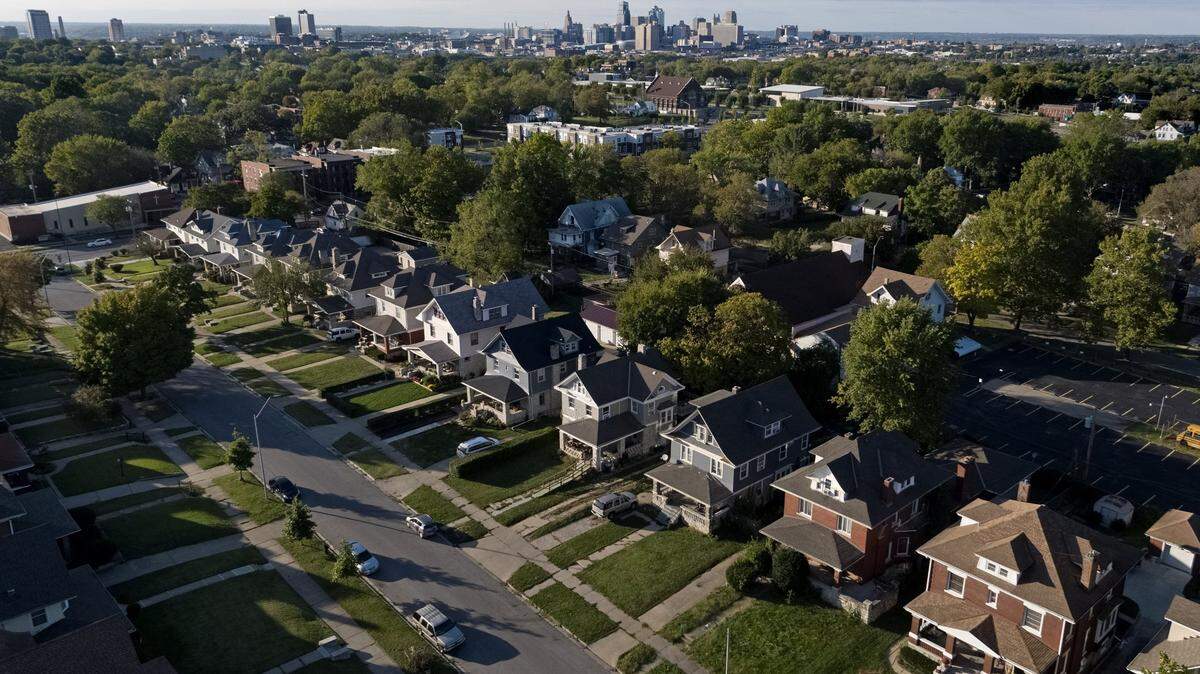
Some Kansas City area residents with surprisingly high property assessments are hoping this tax relief will assist vulnerable seniors in the near future. Local realtors and neighborhood leaders helping Jackson County seniors appeal their assessments this year say that those on fixed incomes are at risk of losing their homes if assessments and taxes continue to rise.
After the governor signed the bill into law this week, counties could move quickly to adopt an ordinance and implement the new tax credit, and residents could see relief by the time property tax bills are due at the end of 2023, according to bill sponsor Republican Sen. Tony Luetkemeyer.
However, it’s more likely that residents won’t see that relief until at least 2024, according to the bill’s fiscal note.
Jackson County residents in particular, like Stella Kimber, a senior living in midtown Kansas City, have seen major increases in property assessment values as the county continues to bring its valuations up to market rate after decades of undervaluing properties. According to her assessment notice, Kimber’s tax bill is projected to increase from $578 to nearly $2,000.
Kimber thought her property taxes would freeze this year because she had heard talk of this potential state relief for seniors, but she learned at a community workshop that would not be the case quite yet.
“I just think it’s ridiculous,” Kimber said. “What do they want people to do?”
How the senior tax relief would work:
The homestead exemption bill will give counties the option to freeze property tax rates on the primary residences of senior citizens and create a tax credit to offset the costs of their property taxes each year.
To qualify, taxpayers must be homeowners that are eligible for Social Security and be responsible for their homes’ property taxes.
Eligible senior citizens would receive a tax credit equal to the difference between their current tax bill and their tax bill from the year they became eligible for the program — or the year they became eligible to collect social security benefits.
Will the ‘homestead exemption’ apply statewide?
Not automatically.
Counties will get to decide whether to adopt an ordinance authorizing the new rule, residents can come together with a petition in support of the tax relief with at least 5% of county residents’ signatures or the rule can be approved by a countywide vote.
Some county officials in Missouri are concerned about the feasibility of implementing the new relief program. Jackson County Assessment Office Director Gail McCann Beatty told The Star that the county would have a hard time managing it.
“I think most assessors in this state would say a homestead exemption is something we need,” McCann Beatty said. “But… The way this bill is written, the language is so incredibly vague that I don’t believe it could be implemented even if the governor signs it.”
Clay County officials told The Star that they believe people will greatly benefit from the relief program and are already planning for its potential rollout.
Other states with tax breaks for senior citizens
Both Kansas and Arkansas have a similar program for homeowners who are 65 years or older to prevent spikes in taxable home values. The programs also benefit people who are disabled. Missouri’s bill does not apply to disabled taxpayers.
Arkansas freezes the home valuation for people who are disabled or at least 65. If the person sells the house or makes major improvements, the freeze will no longer apply to that property.
Kansas offers a 75% property tax refund to certain homeowners, including low-income seniors 65 years or older. Kansas’ tax relief program also applies to disabled veterans.
This story was originally published July 6, 2023 at 6:00 AM.