Man fatally shot by Olathe police was ‘a sweetheart’ with mental health issues, friends say

Kathy Huntington knew David Sweet for around 30 years during their time together in an addiction recovery group before he was fatally shot by Olathe police officers earlier this month.
Sweet, 58, was quiet and didn’t have many friends, she said. Unlike other members of the group, Huntington had never met Sweet’s family members at meetings.
While he didn’t say much, Huntington said Sweet was kind and would give someone the shirt off his back. He smiled often and listened to everyone around him at meetings or during occasional social outings with the group.
“He loved the people he hung out with in the group, which was most of the people he hung out with,” she said.
“I love him. He was a sweetheart.”
The shooting
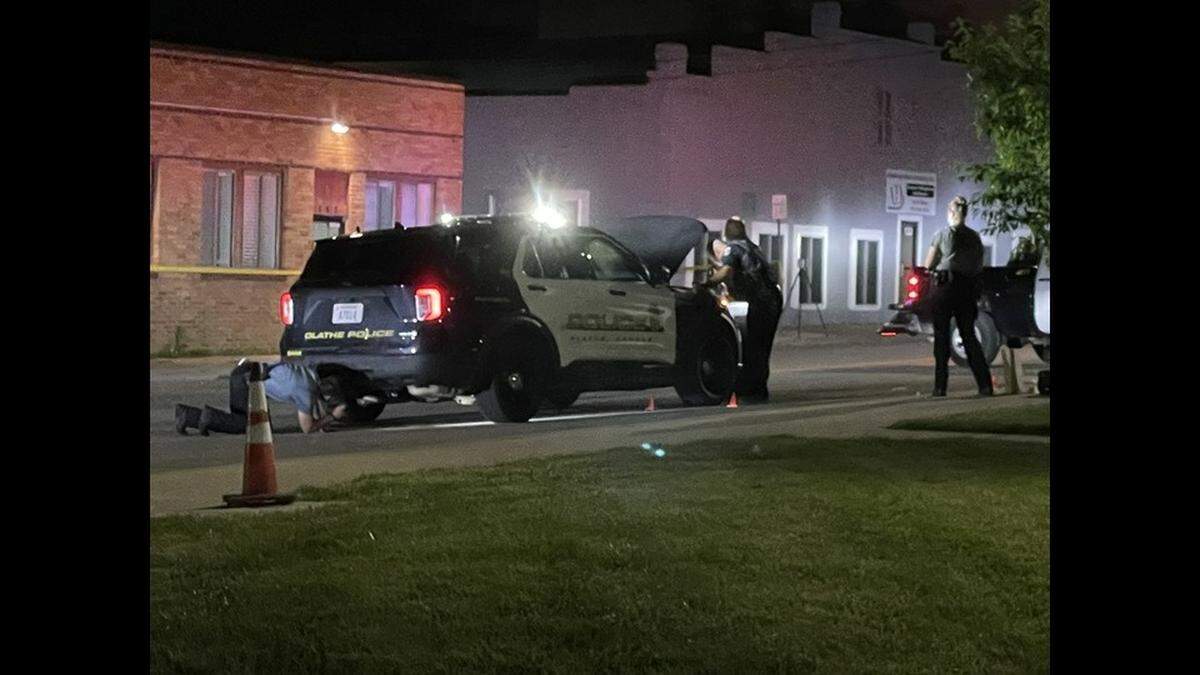
On the evening of June 3, two Olathe police officers fatally shot Sweet during a traffic stop of another person’s vehicle, officials said.
The officers pulled over the other vehicle in the 200 block of North Water Street, when Sweet, who was driving an unrelated vehicle, allegedly approached them with a knife, the Olathe Police Department said.
Two officers shot and struck Sweet, who was pronounced dead at the scene.
No officers were injured. Both officers were placed on paid administrative leave pending the results of an investigation, but few details about the shooting have been released.
In January, Huntington said she saw Sweet at a funeral for another person from their recovery group. He was happy to see them after a few years and gave them a long hug, she said.
Sweet was the third person from their recovery group to die since January, she said.
Despite his kind nature, talking to Sweet was sometimes “like pulling teeth,” Huntington said. He answered questions in a word or two.
Huntington knew Sweet had mental health troubles. At meetings, she said it was obvious when he hadn’t taken his medication because he would act manic, and it was harder than usual to have a conversation. He would talk quickly and didn’t seem to pay attention when others spoke, she said.
‘A nice, harmless guy’
Edward Rogers, who also knew Sweet for about 20 years in a recovery group, said Sweet called him more than a dozen times in the last few years to talk. They connected in conversations about their fathers, as Rogers’ dad had passed and Sweet’s father was in poor health.
Sometimes, Sweet discussed different businesses he considered starting, but Rogers didn’t think he followed through on any of them. Rogers thought Sweet looked to him as a mentor both in addiction recovery and professionally, because he owned and later sold a business.
He also said Sweet had mental health issues and had moments where his demeanor changed drastically, and he was paranoid and anxious. Rogers knew someone who lived with Sweet in the early 2000s and said at one point Sweet made them lock the doors because he thought animals were attacking the house.
But it had been quite some time since Sweet seemed that paranoid, Rogers said. In their conversations over the last decade, Sweet sometimes complained about family issues, but he appeared to be doing well. Most of the time, he was “a really nice, harmless guy.”
“He tended to be, with me at least, almost over-complimentary,” Rogers said. “There was never any cross words between us or anything like that.”
The Johnson County Officer Involved Critical Incident Investigation Team, which is composed of members from multiple area law enforcement agencies, is investigating the shooting.
It’s not known if Olathe police knew of Sweet’s mental health issues, but this isn’t the first time police have responded to someone having a mental health crisis with deadly force.
Last month, prosecutors decided not to file charges against an Olathe police officer who shot and killed 27-year-old Brandon Lynch, who was experiencing a mental health crisis.
Officers responded to a call from Lynch’s sister, saying he attacked her and she was bleeding from the mouth.
Bodycam footage released by the Johnson County District Attorney’s Office shows Lynch telling officers to leave the home several times while grabbing a stun gun and then a knife. Officers fired three rounds before the video cuts out.
In that case, the police department knew of Lynch’s history of schizophrenia, according to his mother Maria Varnas. She said Olathe police had been called to their home multiple times over the years, and officers previously talked Lynch down and helped him.