Few heard of Kansas City’s only Black Medal of Honor recipient. That changes this week
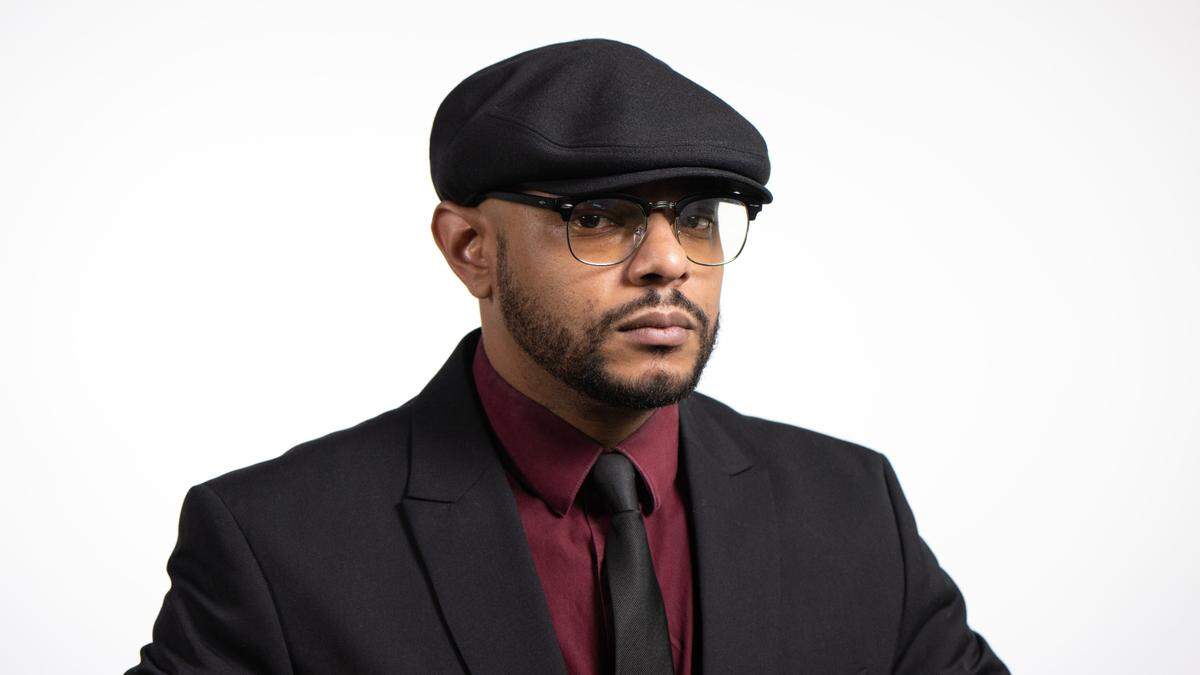
Robert Gray was reading a book about Black Medal of Honor recipients — seven World War II veterans whose courage was not recognized for decades — when he stumbled across the name of a Kansas Citian.
Pfc. Willy James Jr. is Kansas City’s only Black Medal of Honor recipient, awarded posthumously, and yet Gray, a veteran himself, had never heard of him. Neither had fellow local veterans. So for over a decade he researched, contacted relatives and worked with community organizations to ensure James’ contributions would be remembered.
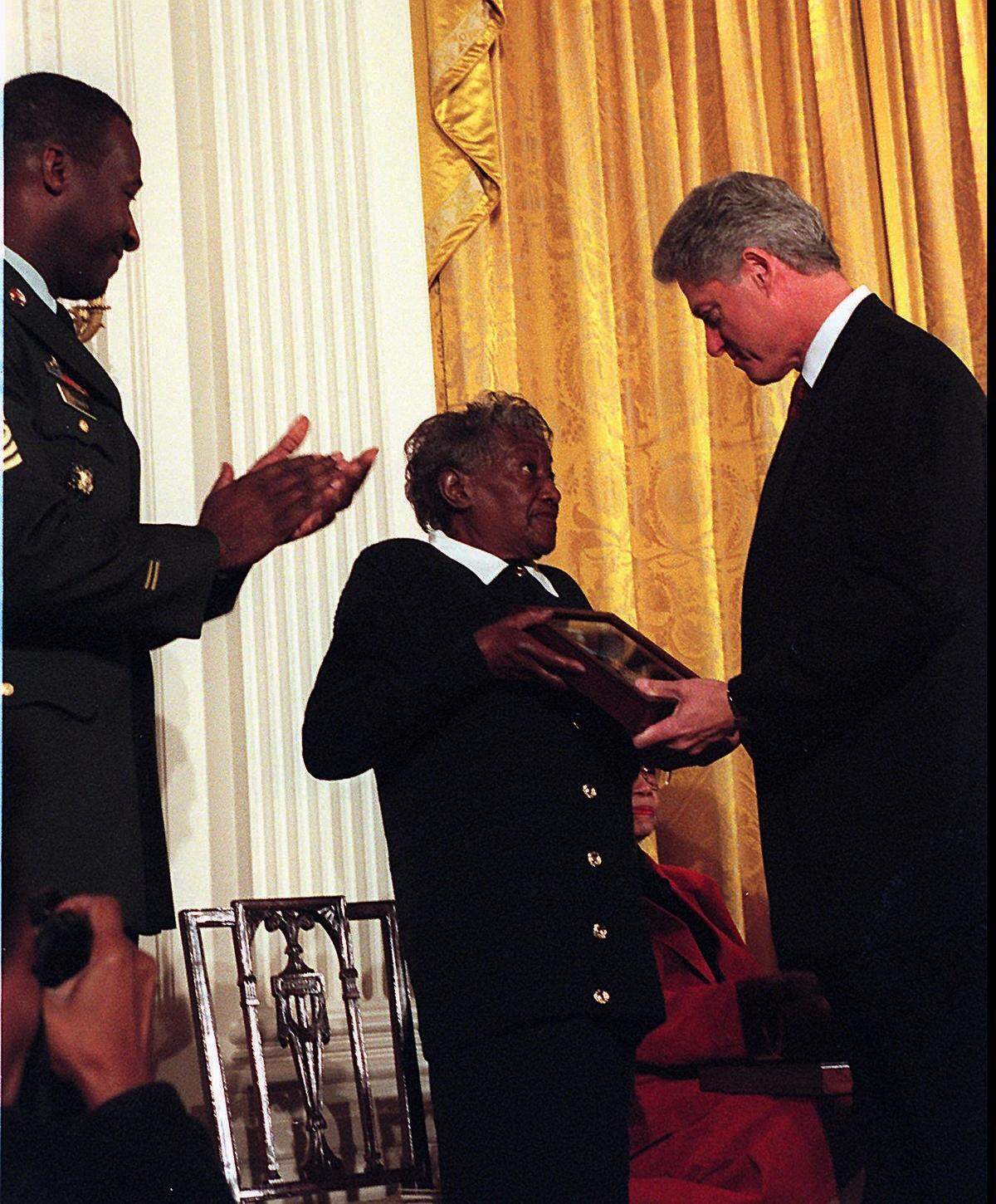
Gray, a retired Marine first sergeant, coordinated with the Black Archives of Mid-America to create an exhibit dedicated to James. It will showcase his medal, given to his widow in 1997 as then-President Bill Clinton honored the seven Black heroes who were bypassed because of racism. The debut will be marked by a procession through Kansas City streets on Friday, April 7, the 78th anniversary of James’ death.
“I read this book called ‘Honoring Sergeant Carter,’ which told the story of the seven,” says Gray, who lives in Olathe. “One of the seven was Pfc. James, and as soon as I learned he was from Kansas City I started asking myself how have I never heard this extraordinary story?
“We as a community dropped the ball and we need to make sure his name becomes not just a part of Kansas City history but American history. His story deserves to be told.”
Becoming a hero
James came from modest beginnings, growing up at 12th Street and The Paseo, where he attended Lincoln High School. He joined the Army in 1942, and two weeks before shipping out, he married his girlfriend, Valcenie.
Black soldiers weren’t permitted to fight on the front lines and were relegated to menial tasks, like cooks, drivers and road workers. But when casualties mounted in the Battle of the Bulge, Army leaders changed their minds. James and more than 2,200 other Black soldiers volunteered for special training to become reinforcements.
While the military wouldn’t be integrated until 1948, when President Truman signed Executive Order 9981, allowing Black and white soldiers to fight side by side, James and his comrades paved the way years beforehand.
James became a scout with the 413th Infantry Regiment and was the first to volunteer and lead the way for his platoon to secure and expand a vital bridgehead. He drew machine gun and sniper fire in order to report back the enemy’s location, according to the National Medal of Honor Museum.
James died on April 7, 1945, near Lippoldsberg, Germany, while attempting to save the life of his platoon leader, who was shot during the charge.
“Private First Class James’ fearless, self-assigned actions, coupled with his diligent devotion to duty exemplified the finest traditions of the Armed Forces,” his medal citation reads.
“He enlisted as a young man and he died as a young man,” his niece Margaret Pender said in 2015 at an event for the National WWII Museum in New Orleans.
James died fighting in a war liberating strangers thousands of miles away. All in a time when he was looked down upon as a second-class citizen back home.
“In 1945 when he was killed, it was uncommon for African Americans to receive a proper military burial service,” says Gray. “There was no service with the 21 gun salute, the playing of ‘Taps’ and the widow being given the folded American flag.”
Gray sees James’ life and sacrifice as an integral part of telling the story of how Black soldiers had to not only overcome a foreign battlefield but also a domestic one. Becoming a personal champion for James’ story, he set out to find the resources he needed to bring more attention to the courage of a fellow Black veteran.
Kansas City honors one of its own
Ivan Williams, who oversees the Black Archives’ human resources department, said he, too, had not heard of James or his heroism.
“It is so important because that preserves our own history. Too often we expect other establishments to, and we see how history gets whitewashed and erased,” says Williams, who grew up in Lee’s Summit.
He hopes the new exhibit will draw visitors to not only learn about James’ bravery but the perseverance of other Black people in Kansas City.
“When I hear about these figures in history that I have never heard of before it makes me wonder who else was left out?” says Williams. “It feels cheap, as if they are robbing us of another Black superhero we could have had.”
In recent years, James’ Medal of Honor has been part of the World War II Museum’s “Fighting for the Right to Fight” traveling exhibit, showcasing the seven medals awarded to the Black soldiers.
James’ body was buried in the Netherlands. Gray feels he was never awarded the proper hero’s homecoming he deserved. On Friday, April 7, Gray expects to bring together hundreds of veterans from around the metro area to pay homage to the life and service of James.
The ceremony will begin at 11 a.m. at the Black Veterans Memorial at East 12th Street and The Paseo, where a wreath will be placed in his memory. Afterward, the procession will head to the Black Archives, 1722 E. 17th Terrace. The Fort Riley mounted color guard will lead the way on horseback, accompanied by the Buffalo Soldiers motorcycle club, JROTC cadets from local high schools and a marching band.
Most everyone who knew James has died, and he had no children. Not even a surviving photograph of the medal recipient remains.
For Gray, this long path to honor not only a fellow Black man but a fellow veteran was not just a passion project but a higher calling as a man of service.
“We are a band of brothers, and we bring everyone home. this is a part of bringing him home and making sure everyone knows about his sacrifice. Black soldiers from every branch of service owe something to men like him,” he says. “We are all a result of his sacrifice.”
This story was originally published April 4, 2023 at 5:30 AM.